
Flowers
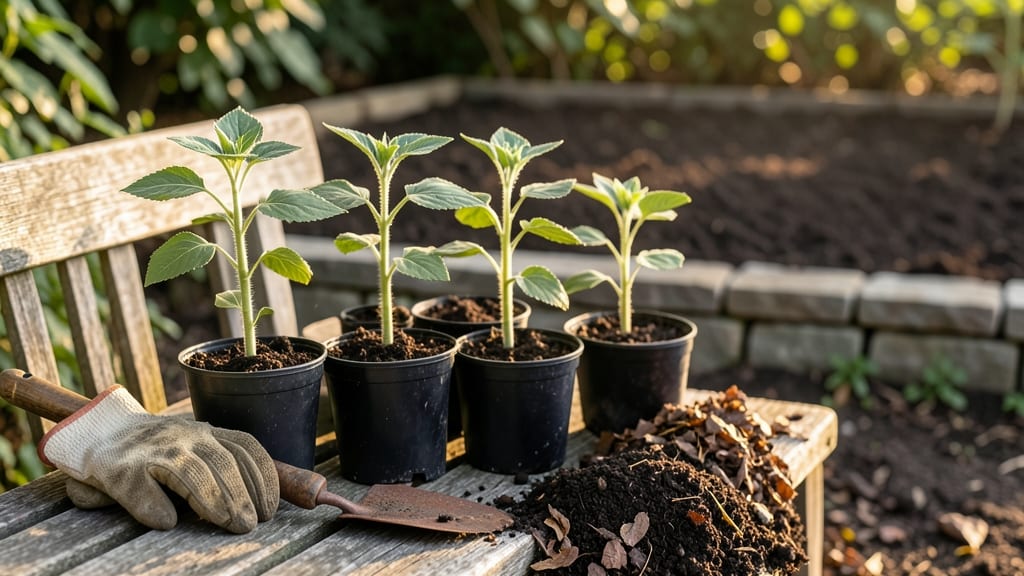
Planting sunflowers in Texas isn't just about grabbing seeds and sticking them in the ground—it's about mastering the perfect timing to beat both frost and scorching heat.
Whether you're in North Texas where last frost lingers until mid-March or South Texas where winter rarely freezes, getting those seeds in at the right moment makes all the difference between towering 🌻 giants and stunted disappointments.
I've seen firsthand how a two-week difference can turn a thriving sunflower patch into a sad, wilted memory. That's why understanding your specific USDA zone—whether it's 8a up north or 10b down south—becomes the key to success.
The right window means faster germination, stronger stems, and those iconic sunflower faces turning toward the sky by summer.
What you're about to discover isn't just planting dates—it's a complete strategy. We'll cover exactly when to start seeds indoors (if you're brave enough), how to time direct sowing for maximum heat tolerance, and which varieties thrive best in Texas' brutal summers.
Spoiler: Some sunflowers are built to handle our heat like champions while others will bolt before you can say "Lone Star State."
Ready to grow sunflowers that put on a show from June through October? Let's dive into the exact planting schedule that'll have your neighbors asking for cuttings—and maybe even a few tips on how to keep them standing tall when Texas summer hits. Your sunflower dreams start here.
Texas sunflower planting calendar by USDA hardiness zones (avoid frost & heat stress)
Texas’ 11 USDA hardiness zones (6a–9b) create wildly different planting windows for sunflowers. In North Texas (Zones 8a-8b), wait until mid-March after the last frost (March 15 average), while South Texas (Zones 9b-10b) gardeners can start as early as late January—but timing isn’t just about frost.
Soil temperatures must hit 50°F (10°C) for germination.
Giant varieties like ‘Russian Giant’ need 90–120 days to mature, so late plantings risk stunted growth from Texas’ summer heat. Dwarf varieties (‘Teddy Bear’) tolerate later starts better but still thrive with early spring planting.
Below, I’ve mapped out the optimal windows for each zone, including adjustments for heat-sensitive and drought-resistant varieties.
🌱 Pro Tip: Use a soil thermometer to confirm readiness—cold soil delays germination by weeks. For North Texas, aim for March 1–April 15; Central Texas can start February 15–March 30; and South Texas has flexibility from January 31–April 1.
For North Texas gardeners, the March 1–April 15 window ensures giant sunflowers like ‘Mammoth’ reach maturity before summer heat stress kicks in. In Central Texas, I’ve seen ‘Autumn Beauty’ thrive when planted by March 15, blooming just in time for July 4th displays.
Meanwhile, South Texas’ longer growing season allows for two plantings: early (February) for summer blooms and late (April) for fall color.
Adjust for microclimates: Hill Country areas (Zone 8a) may need 2 weeks later than Austin (Zone 8b), while Gulf Coast zones (9b–10b) can push boundaries with January starts. Always check your local AgriLife Extension for frost alerts—a late freeze can devastate young seedlings.
Soil prep is critical: Sunflowers hate soggy soil but need deep watering during germination. Mix in compost to improve drainage, especially in clay-heavy North Texas soils. In South Texas, where drought is common, mulch heavily to retain moisture.
🌻 Key Takeaway: Plant giant varieties early (by March 15 in most zones) for maximum height, but dwarf varieties offer flexibility for late starts or container gardening. Always prioritize soil temperature over calendar dates—your sunflowers will thank you with vibrant blooms all summer long.
5 Critical factors that determine your exact planting date in Texas
Texas’ diverse climate means your sunflower planting date isn’t one-size-fits-all. Even neighboring counties can have 4+ week differences in ideal timing. To nail your exact window, focus on these 5 game-changers that override generic calendars.
First, soil temperature trumps frost dates. Sunflowers need soil at 50°F (10°C) to germinate—check with a soil thermometer or wait until mid-March in North Texas or late February in South Texas. Cold soil delays sprouting by weeks.
Next, microclimates create local variations. A Hill Country garden might be 10°F cooler than a Gulf Coast plot just 50 miles away. Observe your yard’s sun exposure patterns—shaded areas stay cooler longer, extending your planting window.
Your chosen sunflower variety also shifts timing. Giant varieties (like ‘Russian Giant’) need 120 days to mature, so plant them earlier (February in Zone 9b). Dwarf types (like ‘Teddy Bear’) mature in 50 days, allowing late-May sowings for fall blooms.
- 🌡️ Soil Temperature: Wait until 50°F (10°C)—use a thermometer or plant after last frost (varies by zone).
- 📍 Microclimate: Hill Country = cooler (plant earlier); Gulf Coast = warmer (plant 2–4 weeks later).
- 🌻 Variety Maturity: 120-day giants need early starts; 50-day dwarfs can go late.
- 💧 Water Availability: Drought-prone areas? Plant earlier for established roots before summer heat.
- ☀️ Sun Exposure: Partial shade delays growth—plant 2 weeks earlier than full-sun spots.
Don’t overlook water access. In drought-prone West Texas, plant sunflowers earlier (February–March) so roots establish before summer dry spells. Deep watering 2–3 times per week post-planting is critical for the first month.
Finally, adjust for shade. If your garden gets partial shade (e.g., near a tree or fence), plant 2 weeks earlier than full-sun areas. Shade slows growth by 10–20%, so give sunflowers extra time to mature before first frost.
Pro tip: Use row covers for late-March plantings in North Texas to protect seedlings from unpredictable late frosts. This buys you 2–3 extra weeks of planting flexibility.