
Flowers
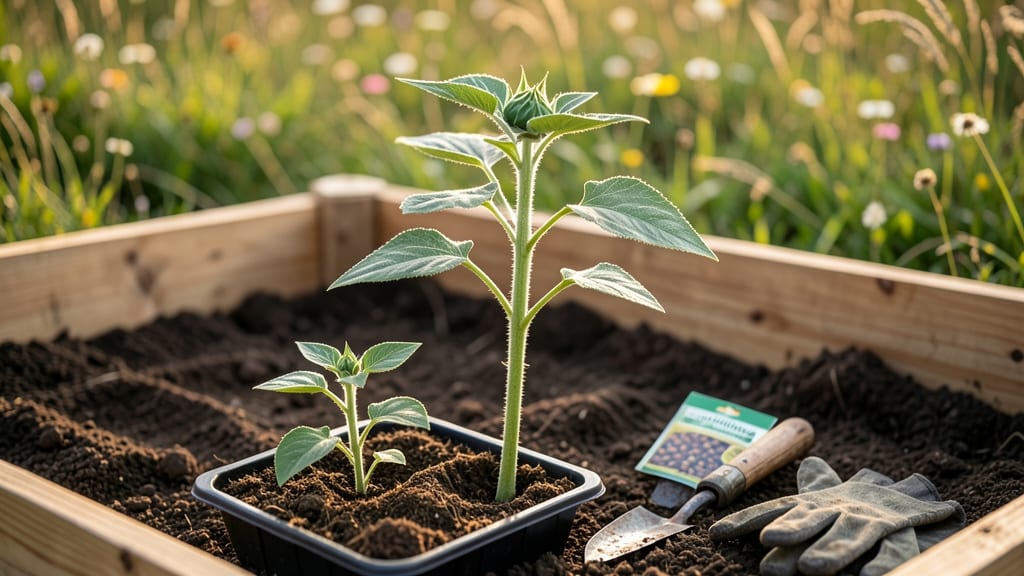
Tennessee sunflower planting timeline: exact weeks before last frost for optimal growth
Tennessee gardeners know timing is everything when growing sunflowers—especially if you want those 10-foot giants to tower over your fence. The key? Planting 2-4 weeks before your last frost date, but the exact window depends on which part of Tennessee you're in.
Eastern regions like Chattanooga and Knoxville have later frosts than Nashville or Memphis, so your planting schedule should match your microclimate.
Sunflowers thrive in USDA Zones 6a-7b, where last frosts typically arrive between mid-April and early May. For maximum height, aim to plant 4-6 weeks before your local last frost date, giving seedlings enough time to establish strong roots before summer heat arrives.
In western Tennessee, where springs warm faster, you might start as early as late March if soil temperatures stay above 55°F.
Here’s the critical rule: Soil must be at least 55°F and frost-free for 2-3 weeks before planting. Cold soil slows germination, leading to weak stalks that won’t reach their full 8-14-foot potential.
Use a soil thermometer to check—if it’s cooler, wait or use black plastic mulch to warm the soil faster.
Pro tip: Direct-sow seeds (don’t transplant seedlings) for the strongest sunflowers. Tennessee’s humidity can stress young plants, and transplant shock often stunts growth. Drop seeds 1 inch deep and 6 inches apart, then thin to 12-24 inches once seedlings sprout.
This spacing ensures each plant gets enough sunlight and nutrients to grow tall.
| Region | Avg. Last Frost | Ideal Planting Window | Weeks Before Frost | Height Potential |
|---|---|---|---|---|
| East (e.g., Knoxville) | April 20–May 5 | Late April–Early May | 2–4 weeks | 8–12 ft |
| Middle (e.g., Nashville) | April 10–April 25 | Late March–Early April | 3–5 weeks | 10–14 ft |
| West (e.g., Memphis) | March 25–April 10 | Mid-March–Late March | 4–6 weeks | 9–13 ft |
If you’re in western Tennessee, where last frosts arrive as early as late March, you can start planting Mammoth sunflowers by mid-March—but only if soil temperatures are stable.
Use a clear plastic tunnel or row cover to protect seedlings from late frosts, which can kill young plants overnight. In eastern Tennessee, wait until after April 20 to avoid frost damage.
For late-summer blooms, try a second planting in early July with fast-maturing varieties like 'Autumn Beauty'. These sunflowers will bloom just in time for fall festivals and add color to your garden when other flowers fade. Just be sure to choose drought-tolerant varieties for Tennessee’s hot, dry summers.
One common mistake Tennessee gardeners make? Planting too early and having seedlings emerge only to be fried by sudden heat waves. Sunflowers grow best when soil temps stay between 60°F and 85°F.
If your area hits 90°F+ too soon, opt for shade cloth during the hottest hours or plant in partial shade until seedlings are established.
To track your local frost dates, check the Tennessee State University Extension or use the Almanac’s Frost Calculator. Input your ZIP code for precise last frost predictions, then count backward 4 weeks for your planting date.
Pro gardeners also watch for cherry blossoms—when they bloom, it’s a sign spring is truly here, and sunflowers are ready to go in the ground.
Finally, remember that sunflowers love rich soil. Before planting, mix in compost or aged manure to give your stalks the nutrients they need to reach record heights
How to adjust sunflower planting time for Tennessee’s unpredictable weather patterns
Tennessee’s variable climate can throw off even the most careful planting schedules. Late frosts in April or early heat waves in May mean you must stay flexible. The key is knowing how to extend your planting window and protect young seedlings from unexpected cold snaps or scorching heat.
Start by checking your local USDA Zone (6a-7b) and average last frost date, but always have a backup plan. Row covers or cold frames can push your planting window 2-3 weeks earlier, while shade cloth helps delay summer planting for heat-sensitive varieties.
Even a simple black plastic mulch warms soil faster, giving seeds a head start.
Here’s my pro tip: If your area has a history of late frosts, sow half your seeds indoors 2-3 weeks before your usual outdoor date. Transplant hardened-off seedlings after the average last frost, but keep an eye on nighttime temperatures—they’re the real frost predictor.
🌱 Adjusting Your Sunflower Planting Plan
- ✅ Early Planting (March-April): Use row covers or cold frames to protect seedlings from late frosts. Ideal for hardy varieties like 'Teddy Bear'.
- ✅ Standard Planting (Late April-June): Plant after last frost date when soil reaches 55°F+. Best for tall varieties like 'Mammoth'.
- ✅ Late Planting (July-August): Choose short-season varieties (e.g., 'Autumn Beauty') and use shade cloth to prevent bolting. Expect smaller blooms but still vibrant colors.
- 🔧 Extend Your Season: Use black plastic mulch to warm soil or drip irrigation to maintain moisture during droughts. Monitor weather forecasts for frost warnings.
- 🌡️ Heat Tolerance: If temps exceed 90°F, provide afternoon shade for seedlings. Deep watering in the morning prevents stress.
Don’t forget to calculate your own frost dates if local averages are unreliable. Use the National Weather Service or Almanac frost calculators, then add 2-3 weeks as a buffer.
For example, if your area’s average last frost is April 15, aim to plant mid-March to early April with protective measures.
Protecting young sunflowers from unpredictable weather is easier than you think. A simple DIY row cover made from old bedsheets or a clear plastic bottle watering trick (cut in half and buried around seedlings) can save your plants from frost damage.
Even a lightweight fabric cover during the day can shield seedlings from intense afternoon sun.
When in doubt, plant in stages. Sow a few seeds every 2 weeks from April through June. This staggered approach ensures you’ll have blooms all summer, even if Mother Nature throws a curveball.
And remember: sunflowers are resilient—they’ll bounce back from setbacks if you give them a fighting chance.