
Plants
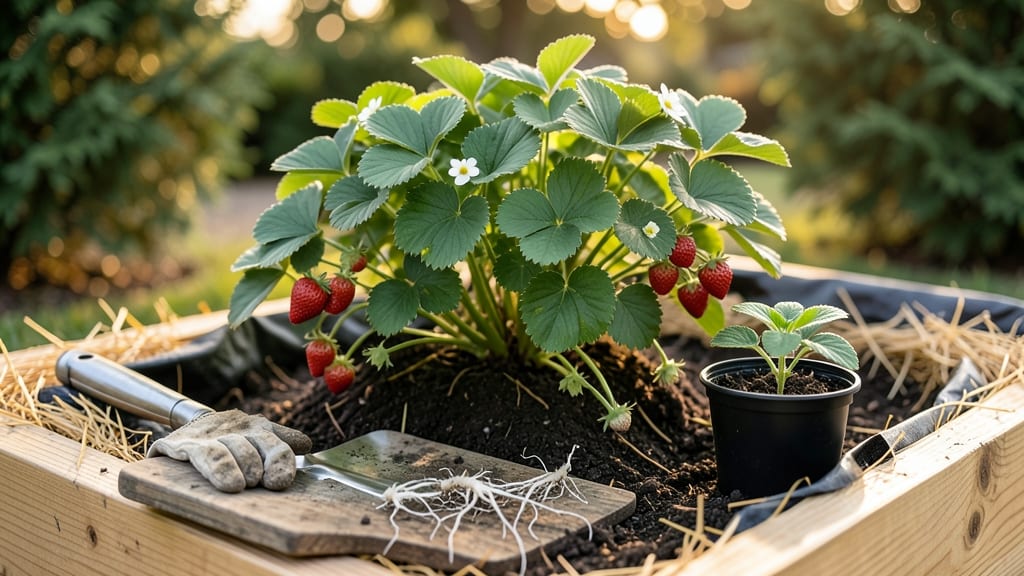
Planting strawberries in Louisiana isn’t just about timing—it’s about beating the heat while avoiding the chill. With the right approach, you can grow sweet, juicy 🍓 that thrive in the state’s unique climate, even when temperatures soar.
Most gardeners assume spring is the only window, but Louisiana’s warm winters and long summers mean fall planting often works better. The key is starting when soil temperatures hit 60°F—too early, and your plants struggle; too late, and you risk summer stress.
Let’s break down the exact months that give you the best shot at a bountiful harvest.
You’ll also discover which varieties handle Louisiana’s humidity and heat like champions. Some strawberries wilt under these conditions, but the right choices can mean the difference between a few sad berries and a garden overflowing with flavor. I’ll share my top picks for your region.
Ready to grow strawberries that actually survive Louisiana’s climate? We’ll cover soil prep, shade strategies, and even how to extend your harvest season. Let’s get those plants in the ground the right way.
Best months to plant strawberries in Louisiana: avoiding heat & cold extremes
Louisiana’s climate—with its hot summers and mild winters—demands precise timing for strawberry planting. Unlike cooler climates, you can’t just plant in spring; the extreme summer heat (often exceeding 95°F) can stress young plants.
The key is planting when soil temperatures hover around 60-70°F, ensuring roots establish before the heat peaks.
Most Louisiana gardeners succeed with two planting windows: late winter to early spring (February–March) and fall (October–November). The fall window is often overlooked but ideal—plants get a head start before winter, then produce earlier spring harvests.
However, avoid planting in July or August, when temperatures can fry tender roots.
Here’s the breakdown: North Louisiana (USDA Zones 7b–8a) has slightly cooler winters, so you can plant as early as February. South Louisiana (Zones 8b–9a) should wait until late February to March to avoid early spring freezes.
Always check your local average last frost date—Shreveport’s is March 15, while New Orleans’ is February 15.
| Planting Window | Best Months | Soil Temp | Notes |
|---|---|---|---|
| Spring Planting | Late Feb–Early Mar | 60–70°F | Avoid if frost predicted; mulch heavily. |
| Fall Planting | Oct–Nov | 55–65°F | Best for South LA; harvest next spring. |
| Avoid Planting | Jun–Aug | N/A | Heat stress kills young plants; wait for fall. |
For container gardening, timing is even more critical. Pots heat up faster, so plant bare-root strawberries in late February and move containers to shaded areas during 100°F+ days. Use black plastic mulch to warm soil faster in spring—this can shave 2–3 weeks off your planting timeline.
One common mistake? Planting June-bearing varieties too late in spring. These need chilling hours (300–500) to fruit, and Louisiana’s short winters may not provide enough. Instead, opt for everbearing or day-neutral varieties like ‘Seascape’, which produce multiple harvests without strict chilling needs.
Pro tip: Test your soil pH before planting—Louisiana’s clay soils often run acidic (pH 5.5–6.0). Strawberries thrive at pH 5.5–6.5, so amend with lime if needed. A simple soil test kit (available at local nurseries) costs $10–$15 and saves headaches later.
After planting, water deeply (1–2 inches per week) and mulch with straw to retain moisture. Louisiana’s high humidity increases fungal risks like gray mold, so avoid overhead watering. Drip irrigation or soaker hoses are your best friends here.
Remember: Patience is key. Strawberries planted in fall may not fruit until next spring, but the trade-off is larger, sweeter berries in Louisiana’s cooler months. If you’re impatient, spring-planted everbearing varieties (like ‘Albion’) can yield small harvests by summer.
Finally, shade cloth (30–50%) is a game-changer in South Louisiana. During peak summer, drape cloth over beds to protect plants from direct sun, reducing stress and blossom drop. This simple trick can double your yield in brutal heat.
Best months to plant strawberries in Louisiana: avoiding heat & cold extremes
Louisiana’s climate presents unique challenges for strawberry growers—hot, humid summers and mild winters demand precise timing. The ideal window to plant strawberries in Louisiana is late winter to early spring, specifically February through March, when soil temperatures hover around 50-60°F.
This timing allows plants to establish roots before summer’s brutal heat arrives.
For those in North Louisiana (USDA Zones 7b-8a), aim for late February to early March, while South Louisiana (Zones 8b-9a) gardeners should plant between mid-February and April. Fall planting is possible but riskier due to hurricane season and unpredictable weather patterns.
| Region | Best Planting Window | Soil Temp | Key Consideration |
|---|---|---|---|
| North Louisiana | Late Feb - Early Mar | 50-60°F | Avoid late spring heat |
| South Louisiana | Mid-Feb - April | 55-65°F | Extend to April for cooler zones |
| Both Regions (Fall) | Late Aug - Sept | 65-75°F | Higher disease risk |
Soil preparation is critical in Louisiana’s heavy, clay-rich soils. Amend beds with 2-3 inches of compost and ensure proper drainage to prevent root rot. A pH between 5.5 and 6.5 is ideal—test your soil before planting.
Raised beds work exceptionally well in Louisiana’s humid climate, as they improve drainage and reduce fungal diseases.
When selecting planting dates, prioritize cool-season varieties that can tolerate brief frost. Avoid planting after mid-April in North Louisiana or mid-May in South Louisiana, as summer heat will stress young plants.
For container growing, extend your planting window by 2-3 weeks—containers warm up faster and can be moved to shaded areas during peak heat.
One common mistake is waiting until April or later to plant, which exposes strawberries to 100°F+ soil temperatures—a death sentence for most varieties. Instead, use shade cloth (30-50%) during the hottest months to protect plants while maintaining productivity.
Mulching with straw or pine needles helps retain moisture and regulate soil temperature.
For a year-round harvest, consider successive planting—install shade cloth in early summer and plant June-bearing varieties in late August for a fall harvest. This two-pronged approach maximizes yield while working with Louisiana’s extended growing season.