
Plants
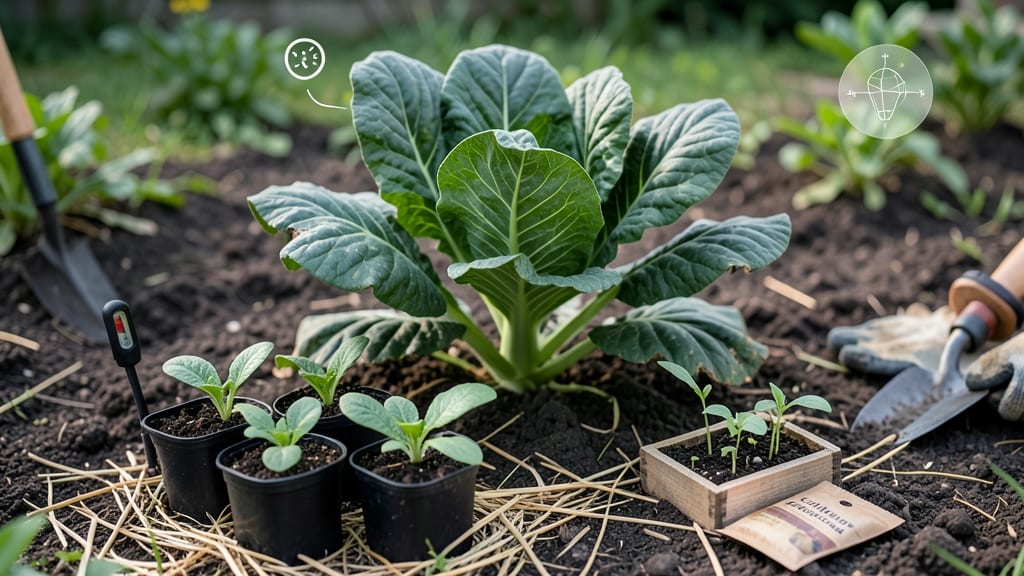
Planting collards in Florida at the wrong time can turn your leafy greens into bitter, seed-producing plants before you even harvest. The key to avoiding bolting lies in understanding Florida's unique climate zones and timing your plantings right.
With year-round growing potential in zones 9a-11, Florida gardeners have a special advantage with collards 🥬. But even here, summer heat can trigger early bolting if you're not careful. I'll show you exactly which months work best for fall and winter harvests.
What you'll discover is how Florida's mild winters actually make collards thrive when planted correctly. We'll cover soil prep, spacing, and even how to extend your harvest season through succession planting.
Ready to grow collards that stay tender and productive all winter? Let's dive into the exact planting schedule that works for Florida's climate.
Best collard planting months in Florida to prevent bolting
Collards thrive in Florida’s mild winters, but their sensitivity to heat makes timing critical. Planting outside the ideal 4-month window (August through November) risks bolting—when your leafy greens rush to flower instead of producing tender leaves.
Florida’s USDA zones 9a-11 let you grow collards year-round, but fall planting yields the sweetest, most productive harvests.
Northern Florida (zones 8a-9a) has slightly cooler winters, while Central/South Florida (zones 9b-11) stays warm year-round. This means microclimate adjustments are key. For example, Jacksonville gardeners can plant as late as December, while Miami growers might start in September to avoid summer’s brutal heat.
Let’s break down the exact months for each region to maximize leaf production.
| Region | Ideal Planting Window | Avoid Planting | Harvest Peak |
|---|---|---|---|
| North Florida (Zones 8a-9a) | August 15 – November 15 | June, July, December (risk of bolting) | October – March |
| Central Florida (Zones 9a-9b) | September 1 – November 30 | May, June, January (heat stress) | November – April |
| South Florida (Zones 10a-11) | September 15 – October 31 | April, May, February (bolting risk) | December – May |
For North Florida gardeners, aim to plant by November 15 to ensure collards mature before winter’s occasional cold snaps. Use row covers if temperatures drop below 30°F—collards tolerate light frost but won’t recover from hard freezes.
In Central Florida, extend planting into late November for a winter-to-spring harvest, but avoid starting seeds after December 15.
South Florida’s warmer winters allow for a longer growing season, but heat-sensitive collards still need cooler weather to thrive. Plant in September-October for a harvest through spring, then succession plant every 2-3 weeks until December.
This staggered approach ensures a continuous supply of fresh leaves without overwhelming your garden at once.
If you’re tempted to plant in spring (March-May), choose shade-tolerant varieties and provide afternoon shade to prevent bolting. However, spring-planted collards in Florida often bolt prematurely due to rising temperatures, so this is a riskier strategy unless you’re using heat-resistant varieties like ‘Vates’ or ‘Champion’.
Pro tip: Direct-sow seeds in your garden for the best results—collards hate transplant shock. Space seeds 12-18 inches apart in rows 24 inches apart to allow airflow and reduce disease risk. Thin seedlings to the strongest 6-8 inches apart once they’re 3-4 inches tall.
For container growing, use 5-gallon pots with well-draining soil and plant one collard per container. Containers dry out faster, so monitor soil moisture closely. Place pots in partial shade during summer months to protect roots from heat stress.
Remember: Collards are cool-season crops, meaning they grow best when days are shorter and nights are cooler. Florida’s fall equinox (September 22) marks the perfect time to start planting—day lengths shorten, and temperatures drop just enough to trigger robust leaf production.
Miss this window, and you’ll be fighting bolting instead of harvesting.
🌱
Best collard planting months in Florida to prevent bolting
Florida’s frost-free winters and year-round growing season make collards a great choice, but timing is critical. Planting in the wrong months can trigger bolting—where your collards send up bitter flower stalks instead of producing tender leaves.
The key is to align your planting schedule with cooler temperatures and shorter daylight hours, which naturally delay bolting.
For Northern Florida (USDA zones 8a-9a), focus on August through November for fall crops and January through March for spring. In Central and Southern Florida (zones 9b-11), you can extend planting into late spring (March-April) and early fall (September-October) without risking heat stress.
The goal is to avoid the hottest summer months (May-August), where temperatures above 85°F can push collards into bolting mode.
🌱 Collard Planting Windows by Florida Region
| Region | Best Planting Months | Avoid Planting | Key Notes |
|---|---|---|---|
| Northern FL (Zones 8a-9a) | August–November, January–March | April–July | Cooler nights prevent bolting; mulch to retain moisture. |
| Central/Southern FL (Zones 9b-11) | September–October, January–April | May–August | Use shade cloth in late spring; succession plant every 2 weeks. |
If you’re succession planting (a smart strategy for Florida’s mild winters), start seeds every 2-3 weeks from August through November in Northern Florida or September through December in Central/South. This ensures a continuous harvest without gaps.
For example, plant one batch in early September, another in mid-October, and a final batch in early November—each will mature just as the previous one is ready for harvest.
Direct sowing is easiest in Florida’s warm soil, but you can also start seeds indoors 4-6 weeks before your target planting date if you’re dealing with unusually hot spells. Use biodegradable pots to transplant seedlings without disturbing roots. Harden off seedlings for 5-7 days before moving them outdoors to avoid transplant shock in Florida’s humid climate.
One common mistake is planting collards too early in spring (March-April) in Central/South Florida. While temperatures seem mild, longer daylight hours and rising heat can still trigger bolting.
To mitigate this, provide afternoon shade with 30-50% shade cloth during the hottest months or choose bolting-resistant varieties like ‘Georgia Southern’ or ‘Champion’.
For container gardening, adjust your timeline slightly—potted collards dry out faster and may need earlier planting to avoid summer stress. Use 5-gallon containers with well-draining soil and place them in partial shade during June-August.
This mimics the cooler microclimate collards prefer and extends your growing window by 2-3 weeks compared to in-ground planting.
Remember, Florida’s humidity is your ally here. Unlike drier climates, collards thrive in high moisture, so mulching with straw or pine needles helps retain soil moisture and keeps roots cool. This simple step can delay bolting by 2-4 weeks in borderline months like April or October.