
Plants
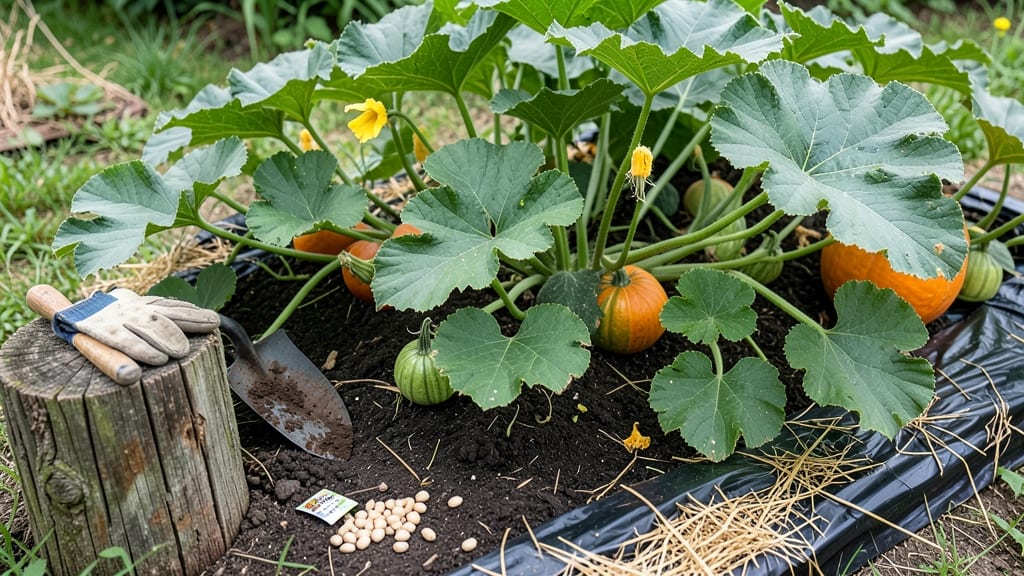
Timing your pumpkin 🎃 planting in Washington State isn’t one-size-fits-all—get it wrong, and you’ll either wait forever for germination or watch your vines wither before the first frost.
The 5b-9a zones across the state (from Spokane’s chill to Yakima’s heat) mean your neighbors might be harvesting while you’re still waiting for soil to warm.
Most gardeners in Western WA (like Seattle’s 8a zone) aim for late April to early June, but Eastern WA’s 9a deserts can start as early as March if soil hits 70°F.
The trick? Check your local last-frost date—Seattle’s average is April 15, while Spokane’s lingers until May 10—and pair it with a soil thermometer.
You’ll also want to know whether to start seeds indoors (for shorter seasons) or sow directly outdoors (for longer, warmer zones).
I’ll break down the exact steps for your microclimate, from coastal fog delays to desert heat spikes, so you can avoid the three biggest mistakes that kill pumpkin dreams before they begin.
By the end, you’ll have a custom planting plan tailored to your corner of Washington—because whether you’re growing ‘Sugar Pie’ for pies or ‘Howden’ for carving, nailing the timing means the difference between a bountiful harvest and a sad, wilted vine.
Let’s get those seeds in the ground the right way.
Washington State pumpkin planting calendar by region: soil temperature zones & frost dates
Washington State’s varied climate means your pumpkin planting schedule should align with your specific USDA hardiness zone and microclimate.
In Western WA (Zones 7b–9a), like Seattle or Portland, you’ll plant late April to early May, while Eastern WA (Zones 5b–7a), such as Spokane or Wenatchee, waits until mid-May to early June.
The Columbia Basin (Zone 7a) falls in between, with ideal planting in late April to mid-May.
Pumpkin seeds need soil temperatures of 70–75°F to germinate, so always check with a soil thermometer before planting.
In cooler regions like Spokane, wait until the last frost date (typically May 10) has passed, while Seattle’s milder climate allows earlier starts. Direct sowing is best for pumpkins—they dislike transplanting—but if you start indoors, harden off seedlings for 7–10 days before outdoor placement.
Here’s a quick reference for Washington’s key planting windows by region, including soil temperature thresholds and average frost dates to guide your timing:
| Region | USDA Zone | Last Frost Date | Ideal Planting Window | Soil Temp for Germination |
|---|---|---|---|---|
| Western WA (Seattle, Portland) | 7b–9a | April 15–May 1 | Late April–early May | 70–75°F |
| Eastern WA (Spokane, Wenatchee) | 5b–7a | May 1–May 10 | Mid-May–early June | 70–75°F |
| Columbia Basin (Yakima, Tri-Cities) | 7a–8a | April 20–May 1 | Late April–mid-May | 70–75°F |
For coastal areas like the Olympic Peninsula, fog and cooler temps may delay planting until mid-May. Meanwhile, high-desert regions like Moses Lake can plant as early as late April due to warmer nights. Always monitor 7-day forecasts for unexpected cold snaps, which can stunt young seedlings.
In Western WA, where summers are short, opt for fast-maturing varieties like ‘Sugar Pie’ (80–90 days) or ‘Jack Be Little’ (75 days). Eastern WA’s longer growing season suits larger varieties like ‘Howden’ (100–110 days) or ‘Cinderella’ (90–100 days).
Plant seeds 1 inch deep and 2–3 feet apart for vining types, or 1 foot apart for bush varieties like ‘Baby Boo.’
Pro tip: Use black plastic mulch to warm soil faster in cooler zones, or straw mulch to retain moisture in dry areas like the Columbia Basin. This trick can shave 1–2 weeks off your growing season, giving you more time to harvest before frost.
If you’re in doubt about your local frost dates, check the Washington State University Extension’s frost maps or use a frost calendar app. Planting too early risks seed rot or frost damage, while waiting too long may leave you with underdeveloped pumpkins before the first frost.
For urban gardeners in cities like Seattle or Spokane, microclimates can vary by just a few blocks. South-facing walls or rooftop gardens may warm up faster, allowing 1–2 weeks earlier planting than the general guideline.
Always scout your spot for sun exposure and wind protection before committing to a planting date.
Remember: Pumpkins need 90–120 days to mature, so time your planting to finish by early October in most of WA. In Zone 5b (e.g., Spokane), aim for mid-June planting to avoid early frosts, while Zone 9a (e.g., Yakima) can push planting until early July for late-season varieties.
🎃
Microclimate-specific tips: how to adjust planting for urban gardens, high deserts, and coastal areas
Washington State’s microclimates can drastically alter pumpkin planting success. Urban heat islands in Seattle or Spokane may warm up faster, while coastal areas like Olympia stay cooler longer. Understanding these nuances ensures your pumpkins thrive—even if your neighbor’s garden is on a different schedule.
In high-desert regions like Wenatchee or Yakima, soil warms quickly, allowing earlier plantings—sometimes as early as mid-April. Meanwhile, coastal fog zones (e.g., Port Townsend) may delay planting until late May to avoid chilly nights. Use these adjustments to match your local conditions.
🔥 Callout Warning:
- Seattle: Plant after May 15 → 40% frost risk by Oct 15.
- Spokane: Plant after May 20 → 60% frost risk by Nov 1.
- Yakima: Plant after May 10 → 20% frost risk by Oct 1.
Urban gardeners in concrete-heavy areas (like Bellevue) can plant 2–3 weeks earlier thanks to heat retention. Test soil temps with a soil thermometer—pumpkins need 70°F+ to germinate. If your soil is slow to warm, try warm-season crops like zucchini as a test before committing to pumpkins.
For coastal gardens, morning fog can delay planting. Opt for compact varieties like ‘Sugar Pie’ (75-day maturity) and use drip irrigation to keep roots warm. In high-desert areas, mulch heavily to retain moisture—pumpkins need 1–2 inches of water weekly, but sandy soils dry out fast.
Adjust your planting window by 1–2 weeks based on your microclimate. Monitor local weather forecasts and use historical frost data from the USDA Plant Hardiness Zone Map. With these tweaks, you’ll avoid common mistakes like overestimating your growing season or underpreparing for late frosts.
Pro tip: Plant ‘Howden’ or ‘Cinderella’ varieties—they mature faster (80–85 days) and tolerate cooler temps better than giant types. Pair this with succession planting for a staggered harvest, even in short seasons.