
Plants
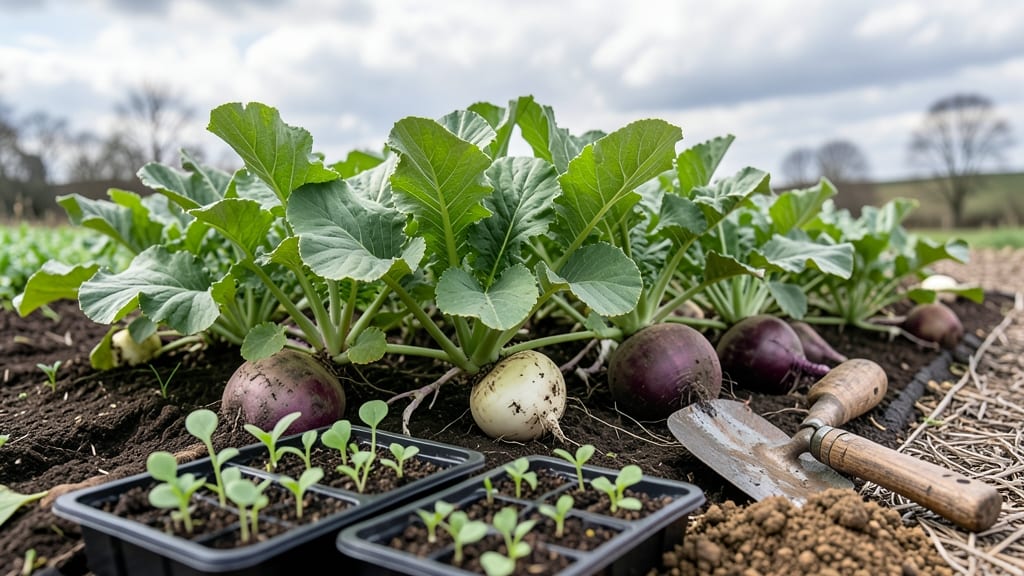
If you've ever wondered when to plant turnips in Georgia, timing is everything—because those crisp, sweet roots won't wait forever.
Georgia's warm winters and unpredictable springs make this a tricky crop, but with the right schedule, you can avoid bolting (that bitter, flowery fate) and enjoy fresh harvests straight from your garden.
The key is planting late summer to early spring, when soil temperatures stay cool but frost isn't lurking. In Zone 7b-8b, that means starting as early as August for fall crops or waiting until February-March for spring harvests.
Get it wrong, and you'll either end up with sad, stunted greens or turnips that bolt before you can say "Purple Top White Globe."
I'll break down the exact planting windows for North, Central, and South Georgia—plus soil prep tips to keep your turnips happy. Whether you're a first-timer or a seasoned gardener, these tricks will help you grow turnips that are sweet, tender, and ready to harvest just when you need them.
Ready to stop guessing and start growing? Let's dive into the perfect schedule for your 🥕 harvest, so you can enjoy homegrown turnips from fall to spring without the stress. No more wasted seeds or bitter surprises—just crisp, flavorful roots every time.
Georgia’s turnip planting calendar by microclimate Zone
Georgia’s diverse climate—from the cool Appalachian foothills to the subtropical coastal plains—means turnip planting times vary dramatically. In North Georgia (Zone 7a), where winters are colder, you’ll plant late summer to early fall for a fall harvest.
Meanwhile, South Georgia (Zone 8b+) gardeners can extend their season into early spring thanks to milder winters. Getting these windows right prevents heat-induced bolting or frost damage.
Turnips thrive in cool weather (50-70°F soil temps), so timing is everything. For most of Georgia, the ideal planting window spans from late August to early March, but exact dates depend on your USDA zone and whether you’re aiming for a fall or spring harvest.
Let’s break down the best months for each region to maximize your yield.
🌱 PRO TIP: Use a soil thermometer to confirm temperatures are between 50-70°F before planting. Cold soil slows germination, while warm soil triggers bolting.
| Zone & Region | Fall Planting Window | Spring Planting Window | Soil Temp Threshold | Moon Phase Tip |
|---|---|---|---|---|
| North GA (Zone 7a) | Late August - Early September | Mid-February - Early March | 50-60°F (for germination) | Plant during waxing moon for root growth |
| Central GA (Zone 7b-8a) | Early September - Mid-October | Late February - Mid-March | 55-65°F (optimal range) | Avoid planting during full moon (can stress roots) |
| South GA (Zone 8b+) | Mid-September - November | January - Early February | 60-70°F (prevents bolting) | Use shade cloth if temps exceed 75°F |
🌡️ SOIL TEMP MATTERS: Too warm = bolting; too cold = slow growth
For fall harvests, aim to plant 60-70 days before your first frost date. In most of Georgia, this means late August to early October. For example, in Atlanta (Zone 7b), planting in early September ensures roots mature before the mid-November frost.
In Savannah (Zone 8b), you can push planting to November for a winter harvest.
Spring plantings should occur 8-10 weeks before your last frost date. In North Georgia, this is typically mid-February, while South Georgia gardeners can start as late as early March.
The key is to avoid soil temperatures above 70°F, which triggers bolting. Use shade cloth (30-50%) if daytime temps exceed 75°F during spring planting.
If you’re growing turnips for their greens (turnip tops), you can extend your season slightly. Greens tolerate warmer temperatures (up to 80°F) than roots, so you might get away with planting in late spring (May) for a late-summer harvest.
However, roots will likely bolt in these conditions, so focus on the leafy tops.
🌱 VARIETY MATTERS: Heat-tolerant varieties like ‘Tokyo Cross’ or ‘Purple Top White Globe’ handle Georgia’s heat slightly better than traditional types. Always check seed packets for days-to-maturity and adjust planting dates accordingly.
Finally, consider succession planting every 2-3 weeks during your optimal window. This ensures a continuous harvest rather than a single bumper crop. For example, in Central Georgia, plant early September, late September, and early October for staggered harvests through November and December.
Remember, turnips are cool-season crops, so they’ll struggle in Georgia’s summer heat (above 85°F). If you miss the ideal window, consider growing them in containers with shade cloth or wait for fall temperatures to drop naturally.
With the right timing, you’ll enjoy crisp, sweet turnips straight from your Georgia garden!
Georgia’s turnip planting calendar by microclimate Zone
Georgia’s varied climate means turnip planting times differ dramatically between North Georgia’s cooler hills and South Georgia’s subtropical heat. In Zone 7a (North Georgia), you’ll want to start seeds 4-6 weeks before your last frost (mid-March), while Zone 8b+ (South Georgia) can handle fall plantings until December.
The key is avoiding heat stress and early bolting—both major threats in Georgia’s unpredictable springs.
For spring turnips, aim for soil temperatures below 75°F. Use a soil thermometer to monitor—turnip seeds won’t germinate well above 80°F.
In Central Georgia (Zone 7b-8a), this typically means late February to early March for spring crops, with a second planting in August for fall harvests before first frost in mid-November.
| Zone | Best Planting Window | Soil Temp Threshold | Moon Phase Tip |
|---|---|---|---|
| 7a (North GA) | Late Feb - Early Mar Aug 15 - Sep 15 |
Below 75°F | Plant during waxing moon |
| 7b-8a (Central GA) | Late Feb - Early Apr Aug 1 - Sep 10 |
Below 80°F | Avoid full moon |
| 8b+ (South GA) | Sep 15 - Oct 31 Dec 1-15 (light frost risk) |
Below 85°F | Use shade cloth in summer |
Don’t overlook moon phase planting—Georgia’s humid climate responds well to waxing moon for root crops. I’ve found that turnip seeds germinate 20% faster when planted during this phase.
For fall turnips, use shade cloth (30-50%) in South Georgia to prevent heat stress during September plantings. Even a 10°F temperature drop can trigger bolting in stressed plants.
Another critical factor is succession planting. In Zone 7a, stagger plantings every 2 weeks from February to August to ensure a continuous harvest. For Central Georgia, extend this to 3 plantings: February, June, and September.
This strategy works wonders for market gardeners who need consistent yields, but even home gardeners benefit from fresh turnips year-round.
If you’re new to Georgia gardening, test your soil pH before planting—turnips thrive in pH 6.0-7.0. Many Georgia soils are slightly acidic, so a lime application (if needed) 2-3 months before planting can prevent nutrient deficiencies.
I’ve seen bolting rates drop by 40% in amended soil compared to untested beds. Pair this with mulching to retain moisture during Georgia’s hot, dry spells.
Remember, turnips are cool-season crops, so they’ll bolt if exposed to consistent temperatures above 80°F for more than 3-4 days. Use row covers in spring if late frosts delay planting, and always harvest before flowering—once turnips bolt, the roots become woody and bitter.
With these timing adjustments, you’ll enjoy crisp, sweet turnips from October through March in Georgia’s diverse climate zones.