
Plants
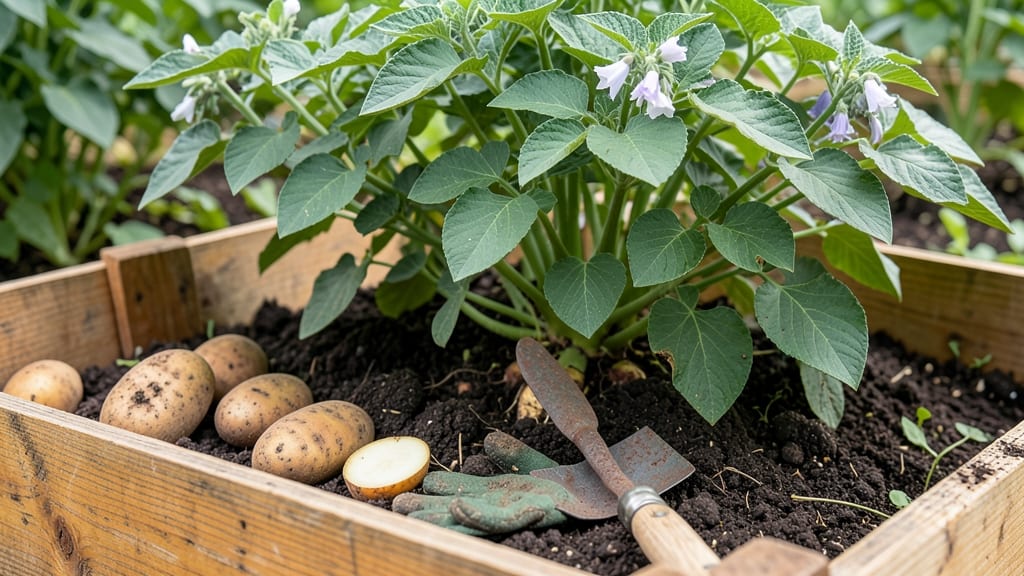
Planting potatoes in Mississippi at the wrong time can mean the difference between a bountiful harvest and a total loss—thanks to the state’s unpredictable spring weather. Whether you're in USDA Zone 7b or 8a, timing your 🥔 potatoes correctly ensures they thrive before summer heat or late frosts strike.
The key is planting when soil temperatures hit 45°F—typically 2-4 weeks before your last frost date. In Mississippi, that usually lands between mid-February and early April, but regional microclimates can shift those windows by 2-3 weeks.
I’ll break down the exact schedule so you avoid common mistakes that waste time and resources.
You’ll also discover how to adjust for early vs. late varieties, when to fertilize for maximum yield, and how Mississippi’s humidity affects growth. With the right approach, you can stretch your harvest from summer into fall—without the stress of guessing when to plant.
Let’s dive into the step-by-step planting calendar tailored for Mississippi’s climate, so you can grow potatoes that outperform the grocery store variety every time.
Mississippi potato planting calendar by month: ideal dates for zones 7b and 8a
Mississippi’s USDA Zones 7b and 8a offer a 150- to 200-day growing season, perfect for potatoes—but timing is critical. The last spring frost typically occurs between March 15 and April 15, while the first fall frost hits around November 15 to December 1.
Planting too early risks frost damage, while late planting may result in small yields before cold sets in.
For maximum yield, aim to plant potatoes when soil temperatures reach 45°F (7°C)—usually 2-4 weeks before your last frost date. In Mississippi, this means starting as early as late February in Zone 8a (southern MS) and early March in Zone 7b (northern MS).
Adjust based on your exact location’s frost data for precision.
Here’s your month-by-month planting guide, including ideal dates, soil prep tips, and frost risk levels to help you plan for success:
| Month | Ideal Planting Window | Soil Temperature | Frost Risk | Notes |
|---|---|---|---|---|
| Late February | Zone 8a only (southern MS) | 45-50°F (7-10°C) | Low (if covered) | Use frost blankets for early starts. |
| Early March | Zone 7b and 8a | 50-55°F (10-13°C) | Moderate | Best for cold-hardy varieties like Red Pontiac. |
| Mid-March | Primary window for both zones | 55-60°F (13-16°C) | Low | Optimal for Yukon Gold and Russet. |
| April | Secondary window (late April for Zone 7b) | 60-65°F (16-18°C) | None | Ideal for heat-tolerant varieties like Purple Peruvian. |
| July-August | Fall planting (Zone 8a only) | 65-70°F (18-21°C) | High (late Sept frost risk) | Use early-maturing varieties (60-70 days). |
Mississippi’s humidity and heat demand extra care. Planting in late February or early March gives your potatoes enough time to mature before summer’s 90°F+ (32°C+) temperatures stress the plants. If you’re in Zone 7b, wait until mid-March to avoid early frost surprises.
For extended harvests, try succession planting every 2-3 weeks between March and April. This ensures a steady supply of fresh potatoes from June through September.
In Zone 8a, you can even attempt a fall crop in July, but choose fast-maturing varieties (like Red Norland) to harvest before frost.
Always test your soil temperature before planting. Use a soil thermometer to confirm it’s above 45°F (7°C). Cold soil slows germination, leading to uneven sprouts and poor yields. If your soil is too cold, wait 1-2 weeks or use black plastic mulch to warm it faster.
Mississippi’s clay-heavy soils in many areas require amending with compost or sand to improve drainage. Potatoes hate soggy roots, so raise beds or plant on mounds if your soil drains poorly. Add aged manure or compost at planting time for a nutrient boost.
After planting, mulch heavily with straw or grass clippings to retain moisture and suppress weeds. Mississippi’s summer heat can dry out soil quickly, so water deeply 2-3 times per week during dry spells. Avoid wetting the leaves to prevent blight, a common issue in humid climates.
For harvest timing, new potatoes can be dug 10-14 days early (when plants flower), while full-sized potatoes are ready in 70-120 days, depending on the variety. In Mississippi, this typically means June for early plantings and September for late plantings.
Cure harvested potatoes in a cool, dark place for 1-2 weeks to toughen skins and improve storage life.
Mississippi gardeners often double their potato yields by planting in both spring and fall. While spring planting is fool
How to adjust planting time for early vs. late potato varieties in Mississippi
Mississippi’s diverse climate lets you grow potatoes year-round with the right variety timing. Early varieties like Yukon Gold thrive in cooler spring soil, while heat-tolerant types such as Purple Peruvian handle Mississippi’s summer heat. Your planting window depends entirely on the potato type you choose.
Cold-hardy varieties need soil temperatures above 45°F to sprout, while late-season types can wait until May or June when soil is warmer. This flexibility means you can stagger plantings for a continuous harvest from spring through fall.
For spring plantings, aim for mid-March to early April in North Mississippi (Zone 7b) and late February to March in South Mississippi (Zone 8a). These early varieties mature in 70-90 days, giving you harvests by summer.
For summer/fall plantings, choose heat-tolerant varieties like Sweet Potato or Red LaSoda. Plant these in late May to June for harvests in September-October, avoiding Mississippi’s late-summer heat spikes.
Early Varieties (Spring Planting)
- Earlier harvests
- Lower pest pressure
- Better for cool soil
- Risk of late frost
- Limited heat tolerance
- Shorter growing window
Late Varieties (Summer/Fall Planting)
- Extended harvest season
- Heat-resistant
- Lower disease risk
- Longer maturity time
- Requires more water
- Higher humidity stress
My top recommendation for Mississippi gardeners is to plant Yukon Gold in March for early harvests and Sweet Potato in June for fall yields. This two-phase approach maximizes your potato production while minimizing risks from frost or heat stress.
Pro tip: Use black plastic mulch to warm soil faster for early plantings, or shade cloth to protect late-season tubers from Mississippi’s intense summer sun. Both tricks help you extend your growing window safely.
Experiment with two varieties each season—one early and one late—to enjoy fresh potatoes from May through November without gaps. That’s the Mississippi way!