
Plants
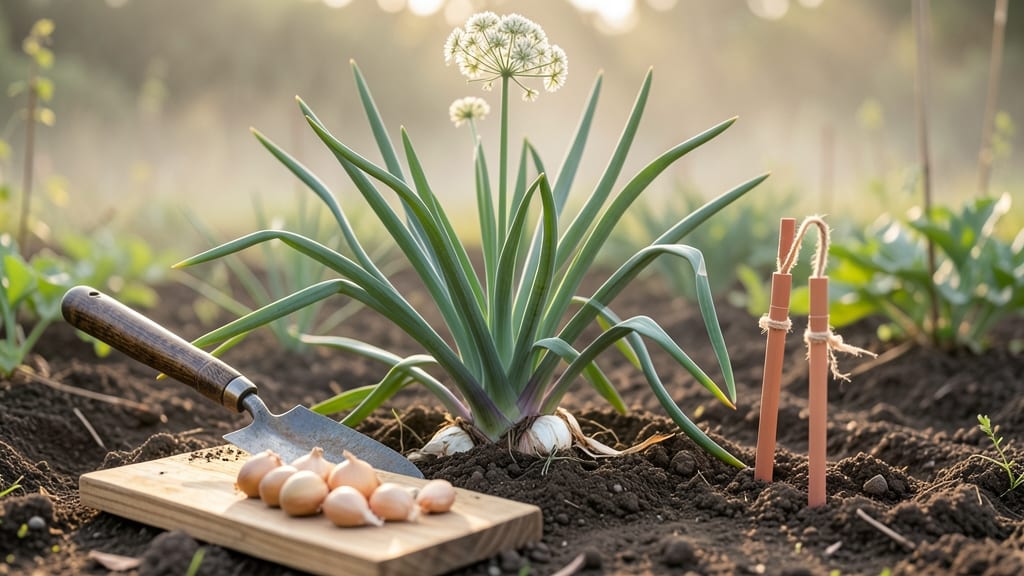
If you’ve ever wondered when to plant onions in Georgia without risking frost or bolting, the answer is more precise than you think—and timing is everything for that perfect harvest.
Georgia’s mild winters and long growing season create a golden window for onion success, but planting too early or too late can turn your hard work into disappointment.
Most gardeners in zones 7b-8b know the struggle: will your 🧅 onions mature before summer heat sends them bolting? The key is planting between February and March for spring harvests or August to September for fall crops.
These windows align perfectly with Georgia’s frost-free periods, giving your onions the 120-day growing season they need to reach full flavor and size.
Here’s the game-changer: staggered planting. By spacing your sets or seedlings 4-6 weeks before the last frost (around March 15) or 8-10 weeks before the first frost (around November 15), you can extend your harvest from spring to late fall.
This method also helps avoid the pitfalls of Georgia’s humid summers and clay-heavy soils.
Ready to master the art of onion planting in Georgia? I’ll walk you through the exact steps—from soil prep to harvest timing—to ensure your garden yields bold, flavorful onions season after season. Let’s get started.
Georgia’s ideal onion planting months by variety type (bulb vs green)
Georgia’s climate—with its USDA Zones 7b-8b—gives you two prime windows for planting onions: late winter/early spring and fall. But not all onions thrive at the same time. Bulb onions need cooler temperatures to form plump bulbs, while green onions (scallions) grow faster and tolerate heat better.
Let’s break down the exact months for each variety in Georgia’s North vs. South regions.
The key to success is avoiding bolting (premature flowering) caused by heat stress or planting too early when soils are still cold. Georgia’s last frost date typically falls around March 15 in the North and up to 2 weeks earlier in the South.
For fall plantings, aim for 8-10 weeks before the first frost (around November 15).
Here’s the comparison table for Georgia’s onion planting schedule:
| Variety Type | Best Planting Window | Ideal Months (North GA) | Ideal Months (South GA) | Temperature Threshold |
|---|---|---|---|---|
| Bulb Onions (Yellow, Red, White) | Spring | February 20 - March 15 | March 1 - March 30 | 45°F - 60°F soil temp |
| Bulb Onions (Short-Day Varieties) | Fall | August 15 - September 15 | September 1 - October 1 | 60°F - 75°F soil temp |
| Green Onions (Scallions) | Spring/Fall | March 1 - May 15 | February 15 - June 1 | 50°F - 80°F soil temp |
| Bulb Onions (Long-Day Varieties) | Spring Only | February 1 - March 10 | February 15 - March 25 | 40°F - 55°F soil temp |
🌱 Pro Tip: Use short-day varieties (like 'Texas Early White') for fall plantings—they mature faster in Georgia’s heat.
For spring plantings, start with sets (small bulbs) or seedlings 4-6 weeks before your last frost date. If you’re in North Georgia, aim for February 20-March 15; in South Georgia, you can push it to March 1-March 30.
The soil should be at least 45°F—any colder, and germination slows dramatically. Use a soil thermometer to check!
If you’re growing green onions, they’re far more forgiving. You can plant them as early as late February in South Georgia or March in North Georgia, and even successive plantings every 2-3 weeks through May.
They tolerate heat better and can even be grown as a winter crop under row covers. Just avoid letting them bolt—harvest before flowering for the sweetest green onions.
For fall plantings, focus on short-day varieties like '1015Y Yellow' or 'Red Creole'. Plant 8-10 weeks before your first frost—typically August 15-September 15 in North Georgia and September 1-October 1 in South Georgia.
The goal is to harvest before winter sets in. Use black plastic mulch to warm the soil and extend the season by 2-3 weeks.
One common mistake in Georgia is assuming all onions are created equal. Long-day varieties (like 'Sweet Sandwich') need 14+ hours of daylight to form bulbs, which Georgia doesn’t get until late spring.
Plant these only in February-March, or they’ll bolt prematurely. Short-day varieties, however, thrive in Georgia’s climate and are perfect for fall plantings.
Finally, don’t overlook soil preparation. Georgia’s soils are often clay-heavy and acidic, which can stunt onion growth. Amend your soil with compost or aged manure and aim for a pH of 6.0-7.0. A quick
How to extend your onion harvest in Georgia: staggered planting for year-round success
Georgia’s long growing season and mild winters let you grow onions almost year-round—but only if you use staggered planting. By spacing out your plantings every 2-3 weeks, you’ll avoid bolting from heat stress and enjoy fresh onions from spring through fall.
Here’s how to make it work in Georgia’s USDA Zones 7b-8b.
Start with fall plantings in August for a late-winter harvest, then follow up with winter sets in December for early spring. Finally, plant spring sets in February-March for a summer harvest. This method ensures you’re never without onions while avoiding Georgia’s humid summer heat, which triggers bolting.
📅 Staggered Planting Timeline for Georgia
- August 1-15: Plant short-day varieties for fall harvest (avoid long-day types).
- September 15: Second planting for winter harvest (use intermediate-day onions).
- December 1-15: Plant sets or seedlings for early spring harvest (cover with row fabric if frost threatens).
- February 15-March 1: Final spring planting for summer harvest (choose long-day varieties).
Georgia’s clay-heavy soils need extra prep before planting. Mix in 2-3 inches of compost or aged manure to improve drainage, and raise beds if your soil stays soggy after rain. Onions hate wet feet, so elevated rows are a game-changer in Georgia’s rainy springs.
Use straw mulch (3-4 inches thick) to regulate soil temperature. In summer, mulch keeps roots cool; in winter, it insulates against frost.
For early spring plantings, add a floating row cover to protect young onions from late frosts (Georgia’s last frost averages March 15, but can vary by 1-2 weeks depending on elevation).
Water deeply once a week (more in summer heat), but avoid wetting the foliage to prevent fungal diseases like downy mildew. Georgia’s humidity is a double-edged sword—too much moisture causes rot, but dry spells stress onions. Drip irrigation is ideal for consistent moisture without leaf wetness.
Harvest onions when tops yellow and flop (usually 100-120 days after planting). For green onions, snip leaves as needed—they’ll keep producing! Store harvested bulbs in a cool, dry place (50-60°F) with good airflow to prevent spoilage. With staggered plantings, you’ll have fresh onions every 6-8 weeks—no grocery store needed!