
Plants
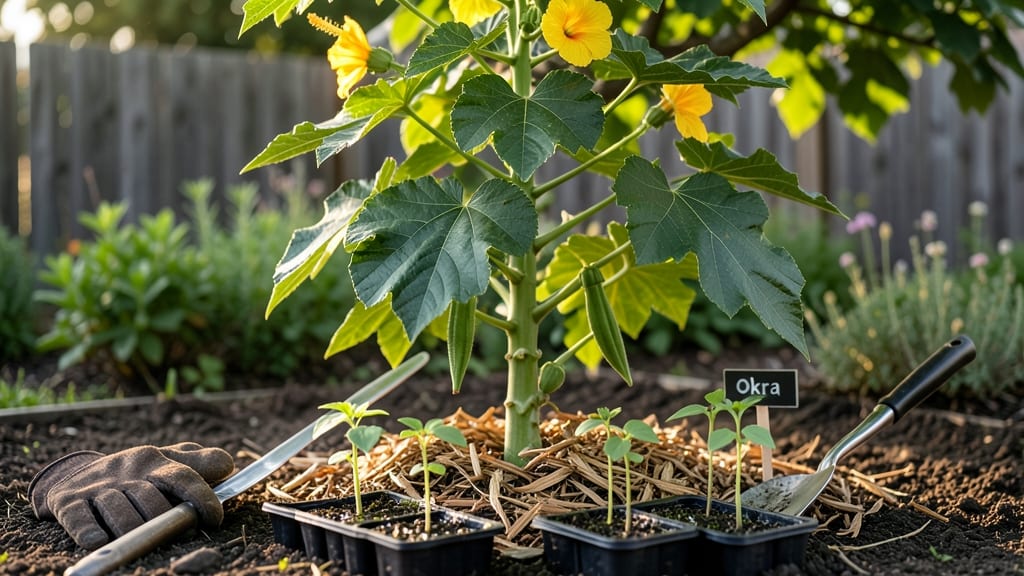
If you're wondering when to plant okra in Arkansas, timing is the secret weapon for a bumper crop—especially in our 7a-8a zones where heat and humidity can make or break your harvest. Skip the guesswork: planting too early risks frost damage, while waiting too long shortens your growing season.
The ideal window starts after April 15 in most regions, when soil temperatures hit 60°F and nighttime lows stay above 55°F.
Okra thrives in Arkansas' long summers, but it's a finicky plant—🌱 direct sowing outdoors is the gold standard here, avoiding the stress of transplant shock.
Whether you're in the Delta's warmer pockets or the cooler Northwest, these heat-zone guidelines will help you align your planting with Arkansas' unpredictable spring weather patterns. No more lost harvests!
Let’s break it down: seed-starting indoors gives you a head start, but most Arkansas gardeners prefer direct sowing after the last frost (usually by May 1 in Zone 7a). We’ll cover soil prep, heat tolerance, and how to stretch your harvest from July through October—even in Arkansas’ humid summers.
Ready to grow 6-foot-tall okra plants bursting with pods? I’ll show you exactly when to plant for zero frost risk, plus Arkansas-specific tips to outsmart pests and heavy clay soils. Your summer garden just got a game-changer.
Arkansas okra planting zones: when to start seeds indoors vs. direct sowing outdoors
Okra thrives in Arkansas' long, hot summers—but timing your planting window is critical to avoid frost damage or missed harvests. The state spans USDA Zones 6b-8a, meaning your exact last-frost dates depend on region.
Northwest Arkansas (Zone 6b) has later frost risks than the Delta (Zone 8a), so I'll break it down by microclimate for precision.
For direct sowing outdoors, wait until soil temperatures hit 60°F+ and all frost risk has passed. In most of Arkansas, this means mid-April to early May, but I’ll show you the exact regional variations.
If you’re starting seeds indoors, begin 4-6 weeks before your last frost date to give seedlings a head start.
Here’s how Arkansas’ three main regions differ:
| Region | USDA Zone | Avg. Last Frost | Direct Sow Window | Indoor Start (4-6 wks before) |
|---|---|---|---|---|
| Northwest Arkansas (Fayetteville, Rogers) | Zone 6b-7a | April 15-May 1 | May 10-20 | March 20-April 5 |
| Central Arkansas (Little Rock, Hot Springs) | Zone 7a-7b | April 1-May 10 | April 20-May 10 | March 10-April 1 |
| Arkansas Delta (Jonesboro, Helena) | Zone 7b-8a | March 15-April 1 | April 1-May 1 | February 20-March 15 |
🌱 Soil Temp Check: Use a soil thermometer—okra seeds won’t germinate below 60°F.
If you’re in Zone 6b (like Bentonville), err on the side of caution and wait until May 10 to plant outdoors. In the Delta (Zone 8a), you can start as early as March 20 indoors or April 1 outdoors for an early harvest.
Pro tip: Use black plastic mulch to warm soil faster in cooler zones.
For direct sowing, plant seeds ½ inch deep and 1 inch apart in rows 2 feet apart. Thin seedlings to 12-18 inches apart once they’re 3-4 inches tall. This spacing gives okra room to grow its 3-10 foot stalks without crowding.
Arkansas’ humidity and heat create ideal okra conditions—but only if planted at the right time. Miss the window, and you’ll deal with bolting plants (flowering too early) or stunted growth from late starts. Next, I’ll show you the exact growth timeline from seed to harvest in Arkansas’ climate.
🌡️ Heat Tip: Okra loves 80°F+ days, so aim for June harvests in cooler zones or May harvests in the Delta.
Okra growth timeline in Arkansas: from seed to harvest in 50-60 days
Okra grows fast in Arkansas' heat, with most varieties reaching harvest-ready pods in just 50-60 days. Planning your planting schedule around this timeline ensures you get three full harvest cycles before Arkansas' first frost in mid-November.
The key is starting seeds or transplants at the right time to maximize your growing window.
For Northwest Arkansas (USDA Zone 7a), aim to plant seeds directly outdoors between April 15 and May 15, when soil temperatures consistently stay above 60°F.
In Central Arkansas (Zone 7b-8a), you can start a week earlier, around April 1, while Southeast Arkansas (Zone 8a) gardeners can even begin in late March for early harvests.
Here’s how your okra’s growth unfolds in Arkansas’ climate, with actionable steps to keep your plants thriving:
Germination takes 5-10 days in warm soil. Keep seeds 1 inch deep and maintain 70-80°F soil temps. Thin seedlings to 12-18 inches apart once they have 2-3 true leaves.
Plants grow 1-2 inches per day in Arkansas heat. Side-dress with compost at 3 weeks to boost growth. Watch for aphids—a common early pest in humid Arkansas summers.
Yellow flowers appear in 4-6 weeks. Pods form 7-10 days later. Hand-pollinate if Arkansas humidity keeps bees away by gently shaking plants in the morning.
First harvests arrive in July if planted early. Pick pods 2-3 inches long for tender texture. For extended harvests, succession plant every 2 weeks until August 15.
Plants produce 50-100 pods per season. Mulch with straw to retain moisture during Arkansas’ 90°F+ afternoons. Fertilize lightly with 10-10-10 every 4 weeks.
To squeeze in three harvest cycles, plant a second batch 4-6 weeks after your first and a third batch in early August. This staggered approach ensures fresh pods from July through October, just before Arkansas’ first frost.
Use row covers in early fall to extend the season by 2-3 weeks.
Pro tip: Arkansas’ humid summers can cause okra to bolt (flower too quickly). If your plants flower before reaching 3 feet tall, provide afternoon shade with 50% shade cloth to slow growth and improve pod quality.
🌱