
Plants
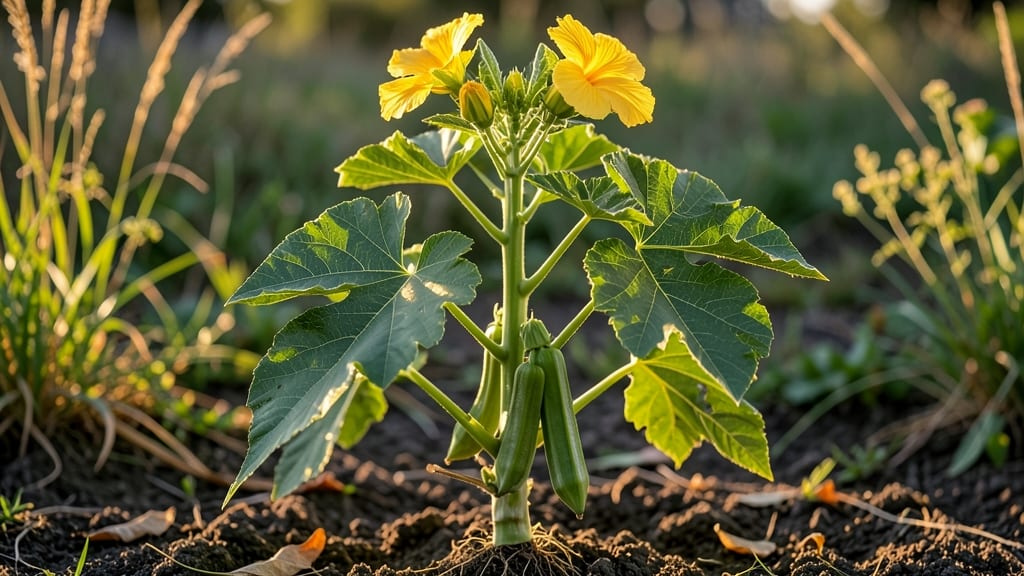
If you're wondering how tall does an okra plant grow, the answer might surprise you—some varieties can tower over 10 feet while others stay under 4 feet. Knowing these differences is the first step to planning your garden layout and maximizing your harvest.
Okra 🌱 is a versatile plant that thrives in warm climates like USDA Zone 6a, making it perfect for spring planting after the last frost. Whether you're working with space constraints or dreaming of a lush vertical garden, understanding height variations helps you choose the right spot and support system.
Tall varieties like 'Clemson Spineless' can reach impressive heights, while dwarf types stay more manageable. This guide will break down height ranges by variety and share practical tips to ensure your okra plants grow strong and productive.
From spacing requirements to trellis setups, we'll cover everything you need to know to make the most of your okra garden—no matter how tall your plants grow!


Okra plant height by variety: from dwarf to towering giants
When planning your okra garden, one of the first questions I ask myself is: how tall will my okra plants grow? The answer varies dramatically by variety, with some reaching 10+ feet tall while others stay under 4 feet.
Understanding these differences helps you choose the right spot and support system for maximum yield. Tall varieties like Clemson Spineless can dominate your garden, while dwarf types like Burgundy stay compact and manageable.
Okra height isn't just about aesthetics—it directly impacts spacing needs, sunlight exposure, and even harvest accessibility. For example, a 6-foot-tall plant needs at least 2 feet of space on all sides, while a 10-foot giant might require 3+ feet and sturdy trellising.
Let's break down the most common okra varieties by height to help you plan your garden layout.
| Variety | Mature Height | Notes |
|---|---|---|
| Clemson Spineless | 10–12 ft | Most popular; needs strong trellis |
| Emerald | 5–7 ft | Early producer; great for containers |
| Burgundy | 4–6 ft | Dwarf variety; ideal for small gardens |
| Jinang Green | 6–8 ft | Heat-tolerant; great for Southern climates |
| Arkansas Little Lightning | 3–5 ft | Fast-growing; perfect for short seasons |
If you're growing okra in containers or small spaces, I recommend choosing dwarf varieties like Arkansas Little Lightning or Burgundy. These stay under 5 feet and thrive in 5-gallon pots with proper care.
For larger gardens, Clemson Spineless is a powerhouse but requires strong support—think bamboo stakes or wire cages to prevent flopping.
Another factor influencing height is growing conditions. Okra plants in hot, sunny climates often grow taller and produce more pods than those in cooler regions.
For example, in USDA Zone 10, my Clemson Spineless plants regularly hit 12 feet, while in Zone 7, they max out around 8 feet. This means your local climate can dramatically affect both height and yield.
For vertical gardening enthusiasts, tall okra varieties are a game-changer. By training plants to grow upward, you can save space and increase yield per square foot. I use galvanized wire trellises for my Emerald variety, which reaches 7 feet but stays manageable with support. Just
One common mistake I see is underestimating okra's growth potential. Many gardeners plant tall varieties too closely together, leading to overcrowding, poor airflow, and reduced yields. Always follow the spacing guidelines for your chosen variety—typically 2–3 feet apart for medium heights and 3+ feet for giants. This ensures each plant gets enough sunlight and nutrients to thrive.
If you're new to growing okra, start with a medium-height variety like Emerald or Jinang Green. These strike a balance between space efficiency and productivity, making them ideal for first-time growers. Once you're comfortable, experiment with taller or dwarf varieties to see what works best in your garden.
Pro tip: Monitor your okra's growth weekly and adjust supports as needed. I like to tie plants to stakes when they reach 3 feet tall to prevent them from toppling over. This simple step can double your harvest by keeping plants upright and accessible.
Ready to plan your okra garden? Choose your variety based on space, climate, and support, then give your plants the room they need to reach their full potential.
With the right variety and care, you'll be harvesting fresh okra pods all season long—whether your plants are dwarf, medium, or towering giants! 🌱
How okra height affects growth habits and garden planning
Understanding your okra’s mature height directly impacts how you plan your garden layout. Tall varieties like Clemson Spineless (up to 10+ feet) need ample space, while dwarf types like Burgundy (4-6 feet) work well in containers or small plots.
This height variation affects everything from spacing requirements to support structures and even sunlight exposure for lower leaves.
Taller okra plants benefit from vertical gardening techniques, such as trellises or stakes, to save space and improve air circulation. Without support, these giants can flop over, reducing yield and increasing disease risk. Even medium-height varieties (6-8 feet) may need light staking to prevent leaning, especially in windy conditions.
🌱 Key Considerations for Okra Height
- Spacing: Tall varieties need 3-4 feet between plants; dwarf types can tolerate 18-24 inches.
- Sunlight: Lower leaves on tall plants may shade out if planted too closely.
- Pollination: Bees struggle to reach flowers on unsupported tall plants, reducing fruit set.
- Harvesting: Tall plants require step stools or ladders for easy pod access.
- Wind resistance: Staking prevents stem breakage in breezy climates.
For container gardening, choose dwarf or semi-dwarf varieties (4-6 feet) to avoid overcrowding. Even these shorter types may need pruning to control height, especially if grown in small pots. Remember, okra’s pod production happens on new growth—overcrowding stresses plants and reduces yield.
Your garden’s microclimate also influences height. In hot, humid regions, okra may grow taller and faster due to ideal conditions, while cooler climates can stunt growth. If you notice stunted plants, check for poor soil drainage or nutrient deficiencies, which can limit vertical growth.
Pro tip: Plant taller varieties along fences or borders to create natural screens, while shorter types work beautifully in raised beds. Always leave 12-18 inches of clearance around mature plants for airflow and maintenance access.
Finally, consider companion planting to manage height naturally. Pairing okra with low-growing herbs like basil or thyme underneath its canopy maximizes space while deterring pests. This layered approach keeps your garden productive and organized without sacrificing yield.