
Plants
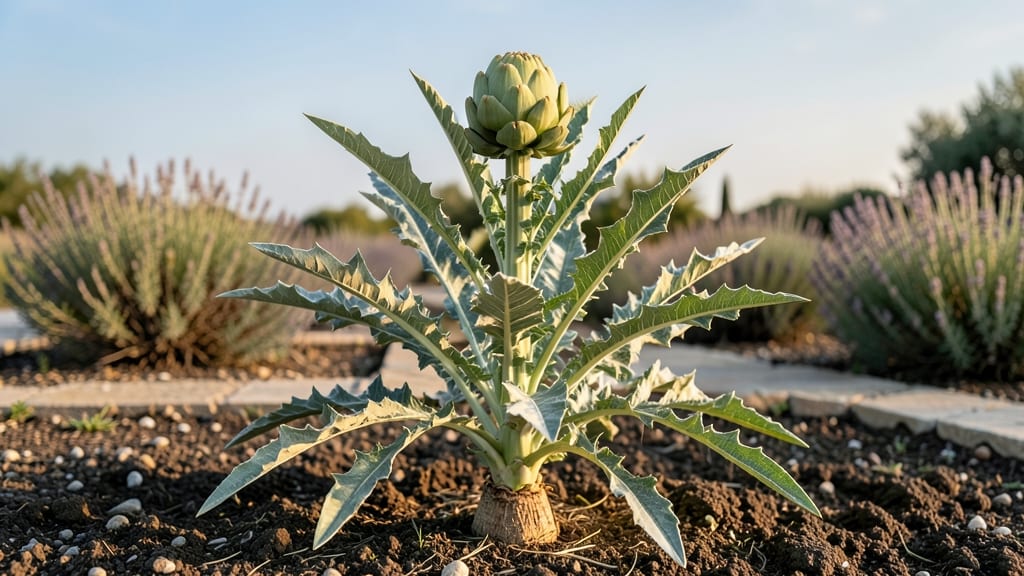
If you're planning to grow artichokes in your garden, you might be surprised by just how tall these Mediterranean plants can reach—some varieties stretch up to 6 feet or more!
Whether you're dreaming of a lush, edible hedge or just curious about space requirements, understanding their mature height is the first step to successful cultivation.
The height of your 🌱 artichoke plant depends largely on the variety you choose. Globe artichokes, the kind you'd find in a grocery store, typically grow between 3 and 5 feet, while taller varieties like cardoons can reach 6 feet or taller.
Knowing these differences helps you plan your garden layout and decide whether to use stakes or trellises for support.
But here's the thing: proper care can influence how tall your artichoke plants grow. Sunlight, soil quality, and even pruning techniques play a big role in determining their final height. In this guide, I’ll break down everything you need to know—from variety-specific heights to practical tips for managing their growth.
Ready to transform your garden into a thriving artichoke patch? Let’s dive into the details so you can enjoy a bountiful harvest without running into space issues.


Artichoke plant height by variety: globe vs. cardoon vs. other types
Artichoke plants are stunning architectural plants that can transform your garden into a Mediterranean paradise, but their mature height varies dramatically depending on the variety. Globe artichokes, the most common type, typically reach 3–5 feet at maturity, while cardoons—closely related but distinct—can tower up to 6 feet.
Understanding these differences is crucial for planning your garden layout and ensuring you have enough space for both the plant’s growth and your harvest goals.
For home gardeners, the globe artichoke (Cynara cardunculus var. scolymus) is the most popular choice, with varieties like 'Green Globe' and 'Imperial Star' staying within the 4–5 foot range. These plants grow as perennial shrubs in warm climates but are often treated as annuals in cooler regions.
Their bushy, thistle-like foliage and edible flower buds make them a standout in any garden, but their height means they need ample spacing—at least 3–4 feet between plants to prevent overcrowding.
Cardoons, on the other hand, are the wild ancestors of globe artichokes and often grow even taller, reaching 5–8 feet in ideal conditions. Varieties like 'Gigante di Romagna' are prized for their thick, edible stalks, which require more space and support.
If you're growing cardoons, plan for 5–6 feet of vertical space and consider using stakes or cages to support their heavy stalks and prevent flopping in windy conditions.
Less common but equally fascinating are Romanesco artichokes, which can exceed 6 feet in height and produce striking fractal-like buds. These varieties, like 'Romanesco,' are often grown for their ornamental value as much as their edibility.
Their tall, slender stalks and large, spiky leaves require full sun and deep, well-draining soil to reach their full potential. If you're limited on space, consider dwarf varieties or container-growing options, though these may sacrifice some height and yield.
Here’s a quick comparison to help you visualize the differences:
Choosing the right variety isn’t just about height—it’s also about your climate and growing goals. Globe artichokes thrive in USDA zones 7–10 and are perfect for gardeners who want a reliable harvest of edible buds.
Cardoons, while taller, require warmer climates and more space, making them ideal for experienced gardeners with room to spare. Meanwhile, Romanesco artichokes add a visual spectacle to gardens but may need extra care to reach their full height and produce edible buds.
If you’re growing artichokes in containers or small spaces, dwarf varieties or pruning techniques can help manage their height. For example, regularly pinching back the tips of young plants encourages bushier growth and prevents them from becoming too tall.
This is especially useful for globe artichokes, which can be trained to stay within a 3–4 foot range if pruned correctly. Just remember: taller plants often produce larger buds, but they also require more support and maintenance.
For those in cooler climates, consider starting artichoke plants from transplants rather than seeds, as they have a long growing season (120–150 days) and need a warm start to reach their full height.
Planting in spring, after the last frost, gives them enough time to establish roots and grow before the first frost arrives. In regions with shorter growing seasons, opt for earlier-maturing varieties like 'Violetto' or 'Spinoso Sardo,' which may stay slightly shorter but still produce abundant harvests.
Ultimately, the height of your artichoke plant will influence not just your garden’s layout but also your harvest success. Taller varieties like cardoons may yield more edible stalks, while globe artichokes offer a balance of height and manageability.
By selecting the right variety and providing optimal growing conditions, you can enjoy a thriving artichoke plant that fits perfectly in your garden—whether it’s a towering centerpiece or a compact container plant.
Factors that influence artichoke plant height: soil, climate, and care
Artichoke plants don’t grow to their full 4–6 foot potential by accident—their height depends heavily on your growing conditions. The right combination of sunlight exposure, soil quality, and watering habits can push your plants toward their maximum height, while neglect can leave them stunted and struggling.
Even the most robust globe artichoke variety will falter without proper care.
One of the biggest factors is your USDA hardiness zone. Artichokes thrive in zones 7–10, where warm winters and long growing seasons give them the time they need to reach maturity.
In cooler zones like 6a, expect slightly shorter plants unless you extend the season with row covers or start plants indoors. The key is ensuring your plants have at least 120 frost-free days to mature.
- Full sun (6+ hrs/day): Maximizes height and yield
- Well-draining soil: Prevents root rot, supports strong stems
- Consistent watering: Deep soaks encourage vertical growth
- USDA Zones 7–10: Ideal climate for tallest varieties
- Poor drainage: Stunts growth, increases disease risk
- Inconsistent water: Causes weak stems, shorter plants
- Shade or partial sun: Limits height to 3–4 ft max
- Over-fertilizing: Leads to leafy growth, fewer buds
Your soil depth and nutrient levels also play a critical role. Artichokes need at least 12–18 inches of loose, fertile soil to develop strong root systems that support their height. Amend heavy clay with compost or sand, and avoid waterlogged areas—root-bound plants will never reach their full potential.
A balanced 10-10-10 fertilizer applied every 4–6 weeks during the growing season keeps them growing upward instead of outward.
Don’t overlook the impact of seasonal adjustments. In hot climates, mulch heavily to retain moisture and prevent heat stress, which can stunt growth. In cooler regions, use black plastic mulch to warm the soil and extend the growing season.
Even a few extra weeks can mean the difference between a 4-foot plant and one that reaches 6 feet.
Pruning habits also influence height. If you’re aiming for taller stalks, avoid heavy pruning of the main stem—let it grow vertically. However, removing side shoots early in the season directs energy upward.
Conversely, if you want a bushier plant with more buds (but slightly shorter height), prune back the main stem by 1/3 in early spring. The goal is balance: taller plants with strong stems that can support their own weight.
Finally, pest and disease pressure can dramatically reduce height. Aphids, spider mites, and fungal diseases like botrytis weaken plants, causing them to grow slowly or even die back. Use neem oil or insecticidal soap preventatively, and remove affected leaves immediately.
Healthy plants grow taller and produce more buds—so your efforts in pest control pay off in both height and harvest.