
How To
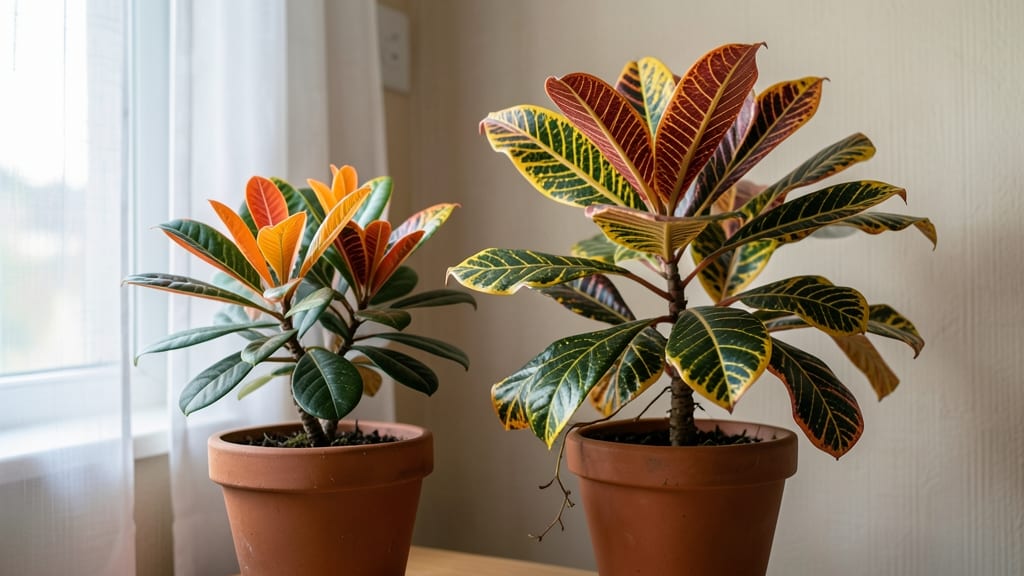
Curious about how tall does a croton plant grow before it becomes a full-size statement piece in your space? The answer might surprise you—some varieties stay small enough for a windowsill, while others can reach 6 feet or more indoors, turning into a vibrant focal point.
If you're dreaming of adding a 🌿 croton to your home or garden, understanding its growth potential is the first step. Whether you're working with a compact 'Petra' variety or a towering 'Mammoth', knowing how to manage its size will help you create the perfect display.
Let’s break down what to expect based on your growing conditions.
The key to controlling your croton’s height lies in a few simple strategies—like pruning, sunlight exposure, and even the pot you choose. With the right care, you can keep it at a manageable 3-4 feet or encourage it to grow taller for a dramatic effect. Ready to learn how?
From indoor houseplants to outdoor tropical accents, crotons adapt beautifully—but their size depends entirely on how you nurture them. Let’s dive into the details so you can get the perfect croton for your space, whether you want a bushy shrub or a small tree.


Croton plant height by variety: compact to towering options
Crotons (Codiaeum variegatum) are prized for their vibrant foliage and adaptable growth habits, but their mature height varies dramatically depending on the variety and growing conditions.
Some stay small enough for windowsill gardens, while others reach tree-like proportions in ideal settings. Understanding these differences helps you choose the perfect croton for your space.
For indoor growers, most crotons top out between 3 to 6 feet, making them ideal for living rooms or sunrooms. However, outdoor tropical climates can push some varieties to 10+ feet with proper care.
Let’s explore the height ranges of popular varieties to help you plan your garden or indoor layout.
| Variety | Indoor Height (ft) | Outdoor Height (ft) | Growth Habit | Best For |
|---|---|---|---|---|
| Dwarf Sunburst | 1–2 ft | 3–4 ft | Bushy, compact | Tabletop displays, small spaces |
| Petra | 3–4 ft | 8–10 ft | Tree-like, upright | Statement plants, outdoor borders |
| Mammoth | 4–6 ft | 12+ ft | Fast-growing, broad | Tropical landscapes, large pots |
| Gold Dust | 2–3 ft | 5–6 ft | Bushy, rounded | Hanging baskets, mixed containers |
| Black Prince | 3–5 ft | 7–9 ft | Upright, dramatic | Outdoor focal points, shade gardens |
The Dwarf Sunburst is perfect for small spaces, while the Mammoth variety can become a tropical centerpiece outdoors. If you’re growing crotons indoors, choose Petra or Black Prince for a statement plant that adds height without overwhelming your room.
For hanging baskets or shelves, the Gold Dust variety stays manageable at 2–3 feet.
Outdoor growers in USDA Zones 10–12 can expect even taller growth, especially with Mammoth or Petra varieties. These crotons thrive in humid, warm climates and can reach 12 feet or more with proper pruning and care.
Even in cooler zones, container-grown crotons can be wintered indoors and brought back outside in spring.
Light exposure plays a critical role in height control. Crotons grown in low-light conditions often become leggy and tall as they stretch toward light. To keep your croton compact and bushy, place it near a south-facing window or under grow lights for 6+ hours daily.
This encourages balanced growth and vibrant foliage colors.
Soil type also affects height. Well-draining, nutrient-rich soil promotes healthier root systems, which support stronger stems and prevent top-heavy growth. Mix potting soil with perlite or orchid bark to improve drainage, especially for container-grown crotons. This simple adjustment can reduce legginess and encourage a fuller shape.
If you’re unsure which variety to choose, start with the Petra or Gold Dust—both are beginner-friendly and adapt well to indoor conditions. For outdoor enthusiasts, the Mammoth offers dramatic height and lush foliage, making it ideal for tropical gardens.
Always check the mature height before purchasing to ensure it fits your space!
How to control croton plant height: pruning and growth tips
Crotons are flexible plants, and with the right techniques, you can shape them to fit your space perfectly. Whether you want a bushy shrub or a tall indoor tree, pruning and care adjustments make all the difference.
Start by understanding that crotons grow best with regular pruning—this encourages fuller growth and controls height naturally.
For indoor crotons, aim to prune in early spring when new growth begins. Use sterilized scissors to cut just above a leaf node, which is where new branches will sprout. This method keeps your plant compact and prevents it from becoming top-heavy or leggy.
If your croton is growing too tall too quickly, prune the top 1/3 of the stem to slow vertical growth.
- Step 1: Choose the right time – Prune in spring or early summer for best results.
- Step 2: Identify growth points – Look for leaf nodes where new branches can grow.
- Step 3: Cut above the node – Use clean scissors to make a 45-degree angle cut.
- Step 4: Encourage bushiness – Trim top growth to promote side branches.
- Step 5: Repot if needed – Move to a larger pot if roots are crowded.
Light exposure also plays a huge role in controlling height. Crotons grown in bright indirect light tend to stay shorter and bushier, while those in low light stretch toward the sun, becoming leggy.
Place your croton near a south-facing window for ideal light conditions. If you notice yellowing leaves, it may need more light or less water.
Another trick is rotating your plant every few weeks. This ensures even growth and prevents one side from becoming overgrown while the other stays sparse. For outdoor crotons, prune in late winter before new growth starts.
Outdoor plants can grow much taller—up to 12 feet in tropical climates—so regular pruning is essential to keep them manageable.
If your croton is already too tall, don’t worry! You can prune it back drastically and start fresh. The plant will recover quickly, and you’ll soon have a fuller, more manageable shape. Just