
Plants
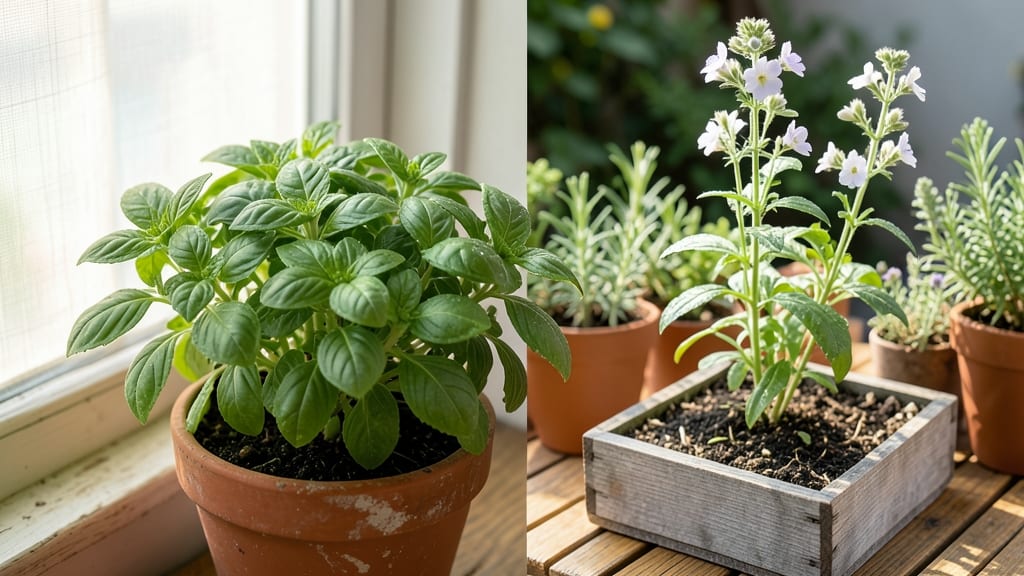
Ever looked at your 🌿 basil plant and wondered how tall a basil plant can grow? The answer might surprise you—some varieties stay compact enough for windowsill gardens, while others can stretch toward the sky if given the right conditions.
Whether you're growing basil for pesto, pest control, or just fresh flavor, understanding its growth potential is key to maximizing your harvest.
Basil's height isn't set in stone—it depends on whether you're nurturing a dwarf variety like 'Spicy Globe' (which tops out around 12-18 inches) or letting a 'Genovese' or 'Mammoth' basil reach its full 3-4 foot potential.
The good news? With the right care, you can guide your plant's growth to fit your space, whether that's a tiny kitchen garden or a sprawling outdoor plot.
In this guide, I'll break down everything you need to know about basil's growth habits, from how sunlight and pruning affect height to the best varieties for different spaces. You'll discover how to keep your basil lush and productive—no matter how much (or little) room you have to work with.
Ready to grow basil that's just the right size? Let's dive into the secrets of controlling height and getting the most out of your plants—from seed to harvest and beyond.


Basil plant height by variety: dwarf to giant growth ranges
When growing basil, one of the first questions I ask myself is: "How tall will this plant really get?" The answer depends entirely on the variety you choose. Some stay small enough for windowsills, while others can reach towering heights in the garden.
Let’s explore the spectrum—from dwarf varieties to giant basil—so you can pick the perfect fit for your space.
Most basil plants fall between 12 inches and 3 feet at maturity, but extremes exist. For example, Genovese basil, a classic for pesto, often grows 2 to 3 feet tall with broad leaves, while Mammoth basil can stretch up to 4 feet in ideal conditions.
On the opposite end, Spicy Globe basil stays compact at 12 to 18 inches, making it perfect for containers.
| Variety | Mature Height | Growth Habit | Best For |
|---|---|---|---|
| Spicy Globe | 12–18 inches | Bushy, rounded | Containers, windowsills |
| Genovese | 2–3 feet | Upright, sprawling | Garden beds, pesto |
| Mammoth | 3–4+ feet | Tall, sturdy stems | Large gardens, cut-and-come-again |
| Dwarf Blue | 6–12 inches | Compact, dense | Indoor pots, ornamental |
| Thai | 18–24 inches | Medium, bushy | Culinary, Southeast Asian dishes |
If you’re growing basil indoors, choose dwarf or semi-dwarf varieties like Spicy Globe or Dwarf Blue to avoid outgrowing your space. These stay under 18 inches, making them ideal for windowsills or small pots.
For outdoor gardens, taller varieties like Genovese or Mammoth thrive when given full sun and room to sprawl—plant them 12 to 18 inches apart to prevent competition.
One factor that often surprises new gardeners is how pruning habits affect height. Regularly pinching back the top leaves encourages bushier growth and prevents your basil from becoming leggy.
I’ve seen Mammoth basil reach 4 feet tall in a single season when left unpruned, but with consistent pruning, it stays around 2 to 3 feet—perfect for easy harvesting.
For container gardening, height matters even more. A 5-gallon pot can comfortably hold a 2-foot-tall variety like Thai basil, but a 1-gallon pot will stunt growth, keeping it under 12 inches. Always match your container size to the plant’s mature height to avoid root-bound stress.
Climate also plays a role. In warm climates (Zones 9-11), basil can grow taller and bushier as a perennial, sometimes reaching 3 feet by its second year.
In cooler zones, it’s treated as an annual, so height is more limited unless you start seeds early indoors for a head start.
Pro tip: If you love tall basil but have limited space, try training it vertically with a trellis or tomato cage. I’ve seen Genovese basil climb 3 feet upward instead of sprawling, saving garden real estate while maximizing harvests.
Lastly, don’t forget that harvesting frequency impacts height. The more you prune and harvest, the bushier (and sometimes shorter) your plant stays.
I harvest my Genovese basil every 2 weeks, and it never exceeds 2.5 feet, while my neglected neighbor’s plant shot up to 4 feet by summer’s end!
How to control basil height: pruning and care for compact growth
If you’ve ever watched your basil stretch toward the sky like a sunflower, you’re not alone. The key to controlling height lies in pruning techniques and consistent care.
I’ve learned that regular pruning doesn’t just shape your plant—it encourages bushier growth and thicker leaves, which is perfect for maximizing harvests. Whether you’re growing Genovese basil in your garden or Spicy Globe on your windowsill, these methods will keep your plant at your desired height.
First, let’s talk about pinching back, the simplest way to control height. When your basil reaches about 6 inches tall, use your fingers or clean pruning shears to pinch off the top set of leaves.
This might seem counterintuitive—why remove leaves when you want more?—but it triggers the plant to branch out, creating a fuller, shorter plant. I do this every 2 to 3 weeks during the growing season, and my Mammoth basil stays around 2.5 feet tall instead of towering over my head.
For indoor basil, where space is limited, pruning is even more critical. Without enough sunlight, basil plants often become leggy and spindly. To combat this, I prune my windowsill basil more aggressively—cutting back one-third of the plant when it gets too tall.
This forces it to grow wider rather than taller, making it perfect for small pots. Just be sure to use sterilized scissors to avoid spreading disease.
- Step 1: Pinch off the top leaves when the plant reaches 6 inches. This encourages branching.
- Step 2: Harvest leaves regularly by cutting just above a leaf node. This promotes new growth and keeps the plant compact.
- Step 3: Prune leggy stems by cutting them back to half their length. This helps the plant redirect energy to side shoots.
- Step 4: Remove flower buds as soon as they appear. Flowers signal the end of the plant’s productive life, and removing them keeps the plant focused on leaf growth.
- Step 5: Thin out crowded stems to improve air circulation and prevent disease. Aim for 3-4 main stems per plant.
Another game-changer is harvesting technique. Instead of plucking individual leaves, which can damage the plant, I cut entire stems just above a leaf node. This method stimulates the plant to produce new branches from that node, resulting in a fuller, shorter plant over time.
I’ve seen Genovese basil that would’ve grown 3 feet tall stay under 2 feet with this approach. Plus, you get more leaves to use in your cooking!
Light and container size also play huge roles in controlling height. If your basil is growing too tall indoors, it’s likely reaching for more light. Move it to a sunnier spot or supplement with a grow light.
For outdoor plants, ensure they’re in full sun (6+ hours daily) and not crowded. Overcrowding forces plants to compete for nutrients, leading to taller, weaker stems. I space my Mammoth basil plants 18 inches apart to give them room to grow strong and sturdy.
One common mistake I see is over-fertilizing, which can lead to rapid, leggy growth. Basil doesn’t need heavy feeding—just a light application of balanced fertilizer every 4-6 weeks during the growing season. Too much nitrogen will result in soft, pale leaves and tall, weak stems.
Stick to a 10-10-10 fertilizer and apply it sparingly. I’ve also found that mulching around the base helps retain moisture and encourages root growth, which in turn supports a healthier, more compact plant.
Finally, don’t forget that seasonal changes affect growth habits. In fall, as temperatures drop, basil growth naturally slows down. This is the perfect time to reduce pruning and let the plant focus on storing energy for next year (if you’re in a warm climate).
In cool climates, treat basil as an annual and prune it back aggressively in late summer to encourage one last flush of growth before frost.