
Plants
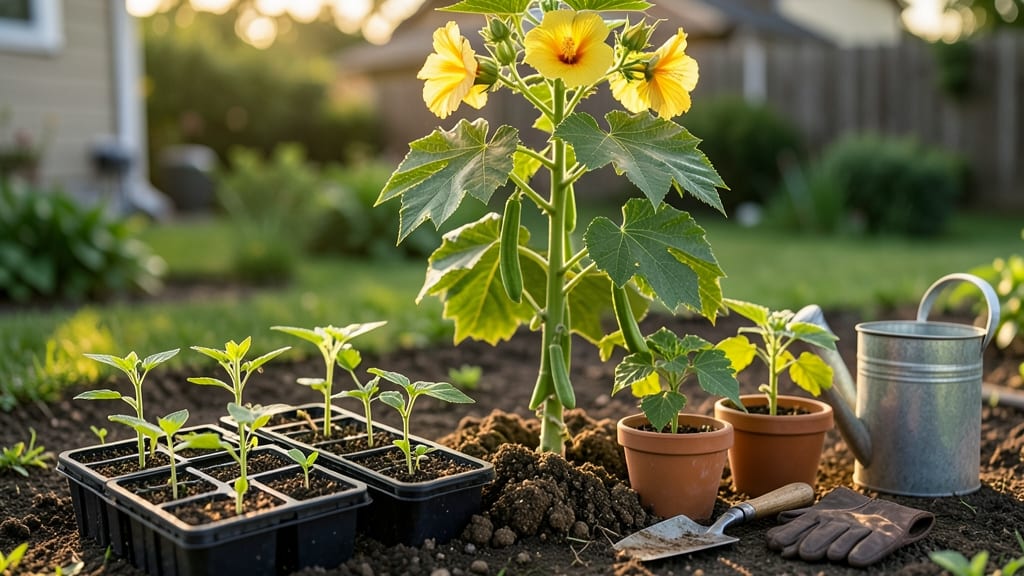
Okra planting timeline in Oklahoma: frost-free zones & heat requirements
Okra thrives in Oklahoma’s hot summers, but planting it too early can mean frost damage or stunted growth. The key is waiting until soil temperatures consistently reach 60°F or higher, typically in late April to early May across most of the state.
Northern Oklahoma (USDA Zone 6b) may need to wait until mid-May, while southern regions (Zone 7a) can start as early as late March.
Oklahoma’s last frost dates vary widely—from March 15 in the south to April 15 in the north—so always check your local frost-free zone map before planting. Okra seedlings are extremely frost-sensitive and will die if exposed to temperatures below 50°F.
Using row covers or starting seeds indoors (4-6 weeks before transplanting) can help extend your growing season slightly.
Here’s how Oklahoma’s three main regions differ in planting timing:
| Region | USDA Zone | Last Frost Date | Ideal Planting Window | Soil Temp Threshold |
|---|---|---|---|---|
| Northern OK | 6b | April 15 | Mid-May to early June | 60°F+ |
| Central OK | 7a | March 25 | Late April to May | 60°F+ |
| Southern OK | 7b-8a | March 15 | Late March to April | 60°F+ |
For direct sowing, drop seeds ½ inch deep and 1 inch apart in rows spaced 18-24 inches apart. If you’re transplanting seedlings, space them 12-18 inches apart to allow for airflow and reduce disease risk.
Okra grows best in well-draining soil with a pH between 6.0 and 7.0, so amend clay-heavy Oklahoma soils with compost or sand if needed.
One common mistake is planting okra too early in cooler northern Oklahoma and watching seedlings wilt from cold stress. To test soil temperature, use a soil thermometer or press your hand into the soil—if it feels warm (like a summer day), it’s ready.
If temperatures dip below 60°F at night, use black plastic mulch to warm the soil faster.
Okra’s fast growth rate (60-80 days to harvest) means you can also try succession planting every 2-3 weeks after the initial window to extend your harvest. This works especially well in southern Oklahoma, where the growing season is longer.
Just be sure to harden off seedlings for 7-10 days before transplanting to avoid shock.
Another pro tip: Plant okra near tall crops like corn or sunflowers to provide shade for seedlings in early summer’s intense heat. This mimics the plant’s natural tropical habitat and can improve pod development. Just avoid planting near legumes, as okra competes for nitrogen in the soil.
Oklahoma’s humid summers can also bring pests like aphids or squash bugs, so rotate crops annually and use neem oil or row covers if needed. With the right timing, your okra plants will bolt upward in weeks, producing tender pods all summer long.
Remember, okra’s heat tolerance is its superpower—once established, it can handle 100°F+ temperatures without wilting. By aligning your planting with Oklahoma’s frost-free zones and soil warmth, you’ll set yourself up for a productive harvest before the first frost in November.
Okra planting timeline in Oklahoma: frost-free zones & heat requirements
Oklahoma’s USDA Hardiness Zones 6b–8a create a unique challenge for okra growers—too early, and seedlings die from late frosts; too late, and you miss the scorching summer heat okra craves. The key is planting when soil temperatures hit at least 60°F and all frost risk has passed.
For northern Oklahoma, this typically means mid-April to early May, while southern regions can start as early as late March.
Okra thrives in Oklahoma’s long growing season, but its 60–80-day maturity means you’ll need to act fast. Missing the window by even a few weeks could leave you with woody, inedible pods by frost season.
Let’s break down the optimal planting windows by region to maximize your harvest before the first frost in November.
🌱
| Region | USDA Zone | Planting Window | Soil Temp Requirement | Last Frost Date |
|---|---|---|---|---|
| Northern OK (e.g., Tulsa, Oklahoma City) | 6b | Mid-April to early May | 60°F+ | April 15 |
| Central OK (e.g., Norman, Lawton) | 7a | Late March to mid-April | 60°F+ | March 25 |
| Southern OK (e.g., Ardmore, Altus) | 8a | Late March to early April | 60°F+ | March 10 |
If you’re unsure about frost dates, use a soil thermometer to confirm temperatures. Okra seeds won’t germinate below 60°F, and seedlings will wilt and die if exposed to 32°F or below.
For extra protection in northern Oklahoma, consider using row covers or planting in black plastic mulch to warm the soil faster.
Once planted, okra grows rapidly in Oklahoma’s heat, with some varieties reaching harvest-ready pods in just 50 days. However, don’t wait until June to plant—this cuts your harvest window short.
For a second crop, try succession planting in early June, but be prepared to harvest before the first frost in mid-November.
Pro tip: Direct-sow seeds after your last frost date—okra hates transplanting and may struggle to recover. Space seeds 12–18 inches apart in rows 3 feet apart to give plants room to thrive.
With the right timing, you’ll enjoy tender pods from July through October, just in time for Oklahoma’s humid summer evenings.
Miss the ideal window? Don’t despair—okra is drought-tolerant once established, and a late planting can still yield pods if given enough sun and heat. Just be prepared for a shorter harvest season. The key is starting early and acting fast to beat Oklahoma’s unpredictable weather.