
Plants
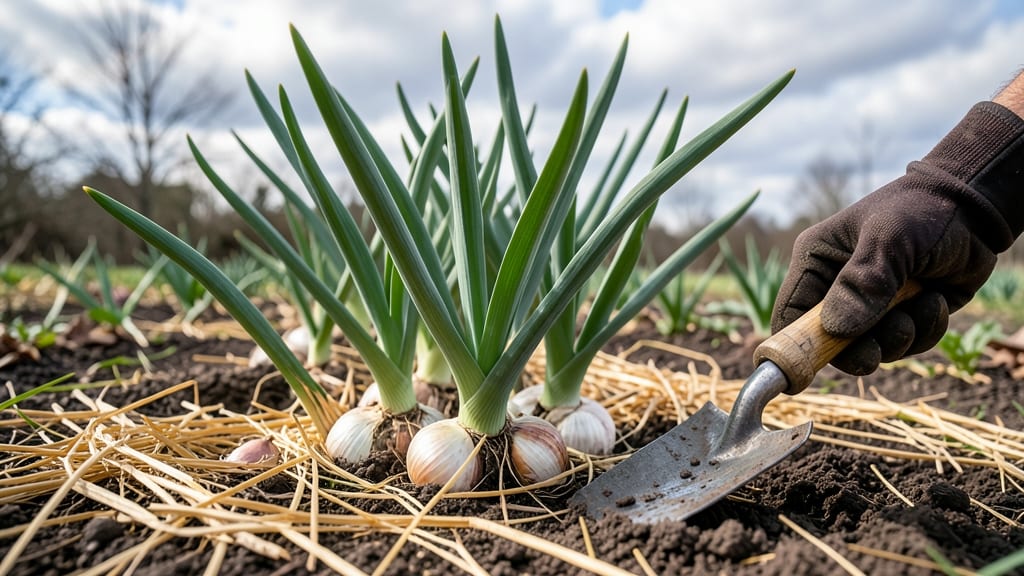
Planting garlic in the fall is your golden ticket to bigger, healthier bulbs—but timing it right makes all the difference. If you wait too long, your cloves may rot; plant too early, and they’ll struggle to establish roots before winter.
The key? 6-8 weeks before your first frost, when soil temps drop but ground stays workable.
For most gardeners in Zone 6a, that means late September or early October, but your exact window depends on local frost dates. I’ll walk you through how to pinpoint the perfect moment, plus pro tips for soil prep and spacing that’ll set your 🧄 up for success next summer.
Whether you’re a first-time planter or a seasoned grower, nailing this timing ensures stronger roots, better overwintering, and a harvest that’ll put store-bought cloves to shame. Let’s get your garlic in the ground the right way—no guesswork, just results.
You’ll also discover common mistakes that sabotage fall plantings (and how to avoid them) so you can focus on what matters: growing garlic that’s hardier, tastier, and more abundant than ever. Ready to dig in?
The perfect fall planting window for garlic: 6-8 weeks before first frost explained
Timing your fall garlic planting correctly is the secret to harvesting large, flavorful bulbs the following summer. The ideal window is 6-8 weeks before your first expected frost, giving cloves time to root before winter dormancy.
In USDA Zone 6a, this typically means planting between mid-October and early November, but exact dates vary by region.
Why this timing? Garlic needs 4-6 weeks of cool soil temps (40-50°F) to establish roots before ground freezes. Plant too early, and cloves may sprout prematurely; too late, and they won’t root deeply enough to survive winter.
Use your local frost date calculator (like the Old Farmer’s Almanac tool) to pinpoint your zone’s cutoff.
For example, in Zone 5 (earlier frost), aim for late September to mid-October, while Zone 7+ (later frost) gardeners can plant until early December. Always check your last frost date—this is your planting deadline’s starting point.
Here’s how to calculate your window: Subtract 6 weeks from your first frost date. If frost hits November 15, plant by October 1. Pro tip: Soil temperature matters more than air temperature—use a soil thermometer to confirm it’s below 50°F at planting time.
🌱 Fall Garlic Planting Timeline by USDA Zone
| Zone | First Frost Date | Planting Window | Soil Temp Goal |
|---|---|---|---|
| 3-4 | Oct 15 - Nov 1 | Sep 1 - Sep 25 | 40-50°F |
| 5-6 | Nov 1 - Nov 15 | Oct 1 - Oct 20 | 40-50°F |
| 7-8 | Nov 15 - Dec 1 | Oct 15 - Nov 5 | 45-55°F |
| 9-10 | Dec 1 - Jan 1 | Nov 1 - Nov 20 | 50-60°F |
💡 Need exact dates? Plug your ZIP code into the Almanac’s Frost Calculator for precise timing.
Adjust for early or late frosts by watching weather forecasts. If an unexpected early frost threatens, plant hardneck varieties (they tolerate colder soils) or use a lightweight row cover to protect young cloves.
Conversely, if frost is delayed, hold off until soil temps drop—warm soil encourages early sprouting, which weakens winter survival.
Milder climates (Zones 7+) can sometimes plant into early December, but avoid planting after December 1—cloves won’t root adequately before winter. In Zone 10+, where frosts are rare, plant in late fall (November) to mimic natural dormancy cycles, even if no frost occurs.
Pro move: Test your soil’s readiness by pushing a thermometer 4 inches deep (garlic’s planting depth). If temps are above 50°F, wait 1-2 weeks. Cooler soils (40-50°F) signal it’s time to plant. This simple check prevents premature sprouting and ensures strong root establishment.
Once planted, mulch heavily (4-6 inches of straw or leaves) to insulate cloves through winter. This protects against freeze-thaw cycles and keeps soil temps stable. In Zone 5 and colder, add an extra layer of mulch if winters are harsh—this can mean the difference between survival and failure.
Remember: Garlic’s growth cycle spans nearly a year, so fall planting sets the stage for next summer’s harvest. By mastering your 6-8 week frost window, you’ll grow plump, robust bulbs—not the small, weak ones that result from rushed or late plantings. 🌱
The perfect fall planting window for garlic: 6-8 weeks before first frost explained
Timing is everything when planting garlic in the fall. The ideal window is 6-8 weeks before your first frost, giving roots time to establish before winter dormancy.
In USDA Zone 6a, this typically means planting between mid-October and early November. But don’t stress—adjust based on your local frost dates, not just the calendar.
For example, gardeners in Zone 5 (colder climates) might plant as early as late September, while those in Zone 7 (milder winters) can wait until late November. The key is ensuring garlic has 4-6 weeks of root growth before the ground freezes solid.
Too early, and cloves may sprout prematurely; too late, and roots won’t anchor properly.
🔍 Pro Tip: Use the National Weather Service frost calendar or a local gardening extension service to pinpoint your exact frost date. Even a 1-2 week difference can affect bulb size and health.
| Zone | Ideal Planting Month | Frost Window | Adjustment Tip |
|---|---|---|---|
| Zone 3-4 (Cold) | Late September | Oct 15 - Nov 1 | Plant early; mulch heavily. |
| Zone 5-6 (Moderate) | Mid-October | Nov 1 - Nov 15 | Standard timing works best. |
| Zone 7-8 (Mild) | td style="padding: 8px; border-bottom: 1px solid #3f683f;">Late October - Early NovemberNov 15 - Dec 1 | Wait until soil cools below 70°F. | |
| Zone 9-10 (Warm) | November - December | Dec 1 - Jan 15 | Use hardneck varieties only. |
If your frost date is unpredictable, err on the side of planting later. Garlic can tolerate light frosts once roots are established, but soil temperatures below 40°F will stunt growth.
Test your soil’s readiness by pressing a bare hand 4 inches deep—if it’s cool but not frozen, it’s time to plant.
For container gardening, the same rules apply, but monitor soil temperature more closely. Containers cool faster and may need extra mulch (like straw or leaves) to insulate roots during winter. In warmer microclimates (e.g., near buildings or greenhouses), delay planting until November to avoid premature sprouting.
Remember: Well-timed garlic rewards you with larger bulbs and fewer pests next summer. Mark your calendar now—your future harvest depends on it! 🌱