
Plants
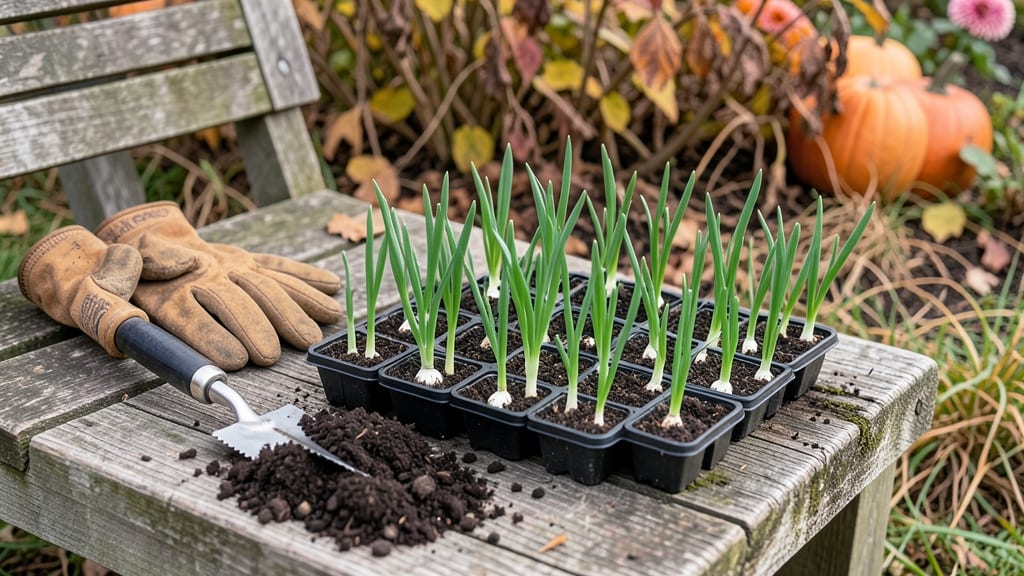
Planting onions in the fall can transform your garden into a treasure trove of flavorful bulbs—but timing is everything. If you get it wrong, you’ll end up with small, weak harvests instead of the plump, sweet onions you crave.
The secret? Planting 4 to 6 weeks before your first frost ensures strong roots and robust growth before winter sets in.
In USDA Zone 6a, where I garden, that means aiming for late September or early October. But don’t worry—even if you’re not in my zone, the rule stays the same: calculate your frost date and work backward.
Onions are hardy little powerhouses, and with the right timing, they’ll overwinter beautifully, ready to burst into flavor the following summer.
This isn’t just about throwing seeds in the dirt and hoping for the best. You’ll learn how to choose the right varieties for your climate, prepare your soil, and protect your plants from winter’s harshest moments.
Whether you’re using sets, seedlings, or seeds, I’ve got you covered with step-by-step advice to guarantee a bountiful harvest.
Ready to unlock the secret to big, sweet onions that’ll make your kitchen—and your neighbors—green with envy? Let’s dive into the exact timing, tools, and tricks you need to make this fall’s planting your most successful yet.
The 6-Week pre-frost rule: exact timing for fall onion planting
Planting onions in the fall isn’t just about timing—it’s about giving your bulbs enough time to mature before winter dormancy kicks in. The 6-week pre-frost rule is your golden ticket to plump, flavorful onions.
This means planting 4-6 weeks before your first expected frost, ensuring roots establish but bulbs don’t overgrow before cold sets in.
Why does this matter? Onions need cool nights and warm days to develop sweet, crisp bulbs. Plant too early, and they’ll bolt (flower) or rot over winter. Plant too late, and they’ll stay small and pithy.
The 6-week window strikes the perfect balance for most USDA Zones 3-10, whether you’re using sets, seedlings, or seeds.
Here’s the secret: Soil temperature matters just as much as air temperature. Onions thrive when soil stays between 40°F and 65°F. If your ground freezes before that window, your onions won’t develop properly. Use a soil thermometer to check—if temps dip below 35°F, it’s time to plant.
Pro tip: Short-day onions (like Yellow Granex) are ideal for fall planting because they grow best in cooler conditions. Long-day varieties (e.g., Sweet Spanish) struggle in short autumn days and are better suited for spring. Always check your seed packet for day-length requirements.
Now, let’s break down the exact timing by USDA Zone and variety. The table below shows your planting window, harvest timeline, and key care tips to avoid common pitfalls.
| Zone & Variety | Planting Window | Harvest Time | Key Tip |
|---|---|---|---|
| Zones 3-5 (Cold Climates) | Late August - Early September | Next June-July | Use cold-hardy varieties like Stuttgarter or Red Baron. |
| Zones 6-8 (Temperate) | Mid-September - Early October | Late June-July | Mulch heavily with straw to protect bulbs. |
| Zones 9-10 (Mild Winters) | October - Early November | May-June (or overwinter for spring harvest) | Plant short-day onions like Texas Early White. |
| All Zones: Sets vs. Seeds | Sets: 4-6 weeks pre-frost | Seeds: 8-10 weeks pre-frost | Sets grow faster—ideal for short seasons. |
If you’re in Zone 6a (like me!), aim for mid-September planting. My first frost typically hits October 15th, so I count backward: 6 weeks before = September 10th.
I plant Red Baron sets because they’re cold-tolerant and mature quickly. Pro move: I mark my calendar with colored flags for frost dates—never trust memory!
One mistake I made my first year? Planting too early in August. The onions bolted by winter because they sensed longer daylight and thought it was spring.
Lesson learned: Wait until soil cools and days shorten. Use a garden journal to track your local microclimate—soil temps can vary 10°F+ from air temps.
Don’t forget: Mulching is non-negotiable. A 4-inch layer of straw insulates bulbs from freeze-thaw cycles that split them. I use unbleached straw because it’s weed-free and breaks down slowly. In Zone 5 or colder, add a lightweight row cover for extra protection.
Finally, watering shifts in fall. Reduce frequency to every 10-14 days once soil cools. Overwatering in cold weather leads to rot. I check moisture by digging 2 inches deep—if it’s damp, wait. If dry, water deeply in the morning to prevent fungal diseases like downy mildew.
Timing your fall onions right isn’t rocket science, but it does require local knowledge and a little patience. Start with the 6-week rule, adjust for your zone, and mulch like your harvest depends on it—because it does.
Next up, we’ll dive into the best onion varieties for fall planting and how to pick the perfect one for your climate.
The 6-Week pre-frost rule: exact timing for fall onion planting
Fall-planted onions thrive when given 4-6 weeks of warm soil before the first frost—this window lets bulbs develop enough strength to survive winter.
If you plant too early, onions may bolt (flower) prematurely; too late, and they’ll stay small. Your local frost date is the anchor for timing, not the calendar month.
Start by checking your USDA hardiness zone—most gardeners in zones 3-10 can plant fall onions, but the exact window shifts north to south. For example, in Zone 5, aim for late August to early September, while Zone 8 gardeners have until mid-October.
Use your average first frost date (find it via the National Weather Service or Old Farmer’s Almanac) and count backward.
Onions are short-day plants, meaning they bulb when daylight shortens—perfect for fall planting. However, long-day varieties (like Sweet Spanish) struggle in fall and should be planted in spring instead. Stick to short-day types like Yellow Granex or Red Baron for fall success.
| Zone & Frost Date | Planting Window | Soil Temp Goal | Onion Type |
|---|---|---|---|
| Zones 3-4 (First frost: Oct 15) | Late August - Early September | 50-60°F | Red Baron, Storage Yellow |
| Zones 5-6 (First frost: Nov 1) | Late August - Mid-October | 55-65°F | Yellow Granex, Candy |
| Zones 7-8 (First frost: Dec 1) | September - Early November | 60-70°F | Texas Early White, Sweet Sandwich |
| Zones 9-10 (First frost: Dec 15) | October - Early November | 65-75°F | Texas Early White, Red Creole |
Soil temperature is critical—onions need 50-70°F soil to germinate and grow roots. Use a soil thermometer to check; if temps drop below 40°F, delay planting. In cooler climates, mulch heavily (straw or leaves) after planting to insulate roots.
For sets or seedlings, plant them 1 inch deep, 4-6 inches apart, in rows 12-18 inches apart.
Pro tip: If your fall window is tight (e.g., Zone 9 with late frosts), opt for transplants instead of seeds—they grow faster and give you a head start.
For seeds, start them indoors 8-10 weeks before your target outdoor date. Always harden off seedlings for 3-5 days before transplanting to avoid shock.
Once planted, onions need consistent moisture but hate soggy soil—water deeply 1-2 times per week until the ground freezes. In late fall, add 2-3 inches of mulch to protect bulbs from freezing.
With the right timing, your onions will overwinter beautifully and reward you with sweet, plump bulbs next spring.