
Plants
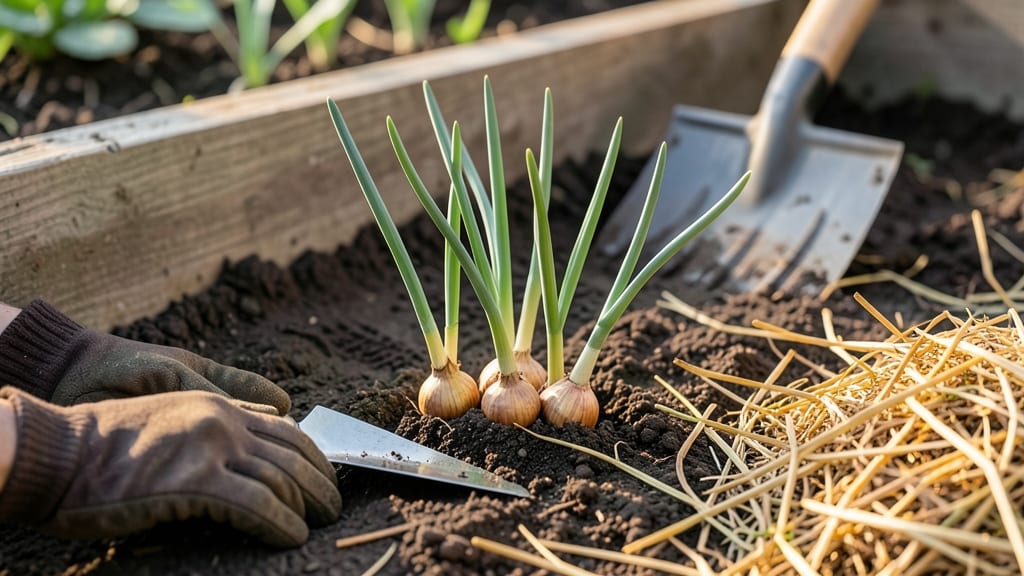
Timing your fall onion 🧅 planting in Zone 7 can make or break your harvest—get it wrong, and you’ll end up with bitter, stunted bulbs instead of sweet, plump onions.
The key lies in understanding your local microclimate, whether you're in the cooler coastal areas or the warmer inland regions of Zone 7.
Most gardeners in Zone 7 swear by planting between late August and early September, but the exact timing depends on your last frost date and soil temperature. Too early, and your onions might bolt in the summer heat; too late, and they won’t mature before winter sets in.
In this guide, I’ll break down the ideal planting window, soil prep tricks, and common mistakes to avoid—so you can grow onions that store beautifully through winter. Let’s dive into the details that’ll turn your fall harvest into a success.
Whether you’re a seasoned gardener or just starting with fall onions, these insights will help you plan with confidence. Ready to grow onions that’ll impress? Let’s get started.
Best planting window for fall onions in Zone 7 (with exact dates)
Getting your fall onions in the ground at the right time is everything—especially in Zone 7, where summer heat can stress young plants while early frosts threaten immature bulbs. The sweet spot? Planting between mid-August and early September, when soil temps hover between 50-65°F and days grow shorter.
This timing ensures bulbs mature before winter sets in, delivering plump, flavorful harvests instead of bitter, stunted ones.
Zone 7’s last frost date typically falls around November 15, so aim to plant 8-10 weeks before that date. For example, if your frost date is early November, start sowing in mid-to-late August.
Coastal areas may push planting slightly later (early September), while inland zones should begin earlier to account for faster cooling.
Pro tip: Use transplants (not seeds) for fall onions—they establish faster and give you a head start. Choose short-day varieties like ‘Red Baron’ or ‘Sweet Spanish’, which are bred to bulb up quickly in cooler weather.
These varieties thrive in Zone 7’s climate and resist bolting (flowering prematurely) when days shorten.
Here’s the golden rule: Soil temperature matters more than air temperature. Test your soil with a thermometer—ideal temps for planting are 50-65°F. If it’s hotter than 70°F, wait a week or two. Cool soil prevents seedling shock and encourages strong root growth right away.
| Zone 7 Region | Optimal Planting Window | Soil Temp Threshold | Key Consideration |
|---|---|---|---|
| North Zone 7 (e.g., Chicago, Pittsburgh) | August 15–September 1 | 50–65°F | Cooler nights; plant earlier to avoid early frost |
| Central Zone 7 (e.g., Nashville, St. Louis) | August 20–September 10 | 55–65°F | Moderate climate; flexible window |
| South Zone 7 (e.g., Atlanta, Raleigh) | September 1–15 | 60–65°F | Warmer soils; delay planting to avoid summer stress |
| Coastal Zone 7 (e.g., Charleston, Savannah) | September 1–20 | 58–63°F | Humidity delays cooling; plant later |
If you miss the ideal window, don’t panic—late August is still acceptable, but bulbs may be smaller. Avoid planting after September 15 in most of Zone 7, as onions need 90-120 days to mature.
For example, if you plant on September 10, harvest by mid-December before hard frosts hit.
One more pro move: Succession planting works for fall onions. Sow a second batch 3-4 weeks after your first planting to extend your harvest window. Just adjust spacing—thinner plants mean fewer bulbs but larger, sweeter ones. Use 1-inch spacing for transplants or ¼-inch rows for seeds.
Finally, monitor your local microclimate. Urban areas heat up faster than rural zones, while valleys cool quicker than hills. If your garden runs hot, opt for shade cloth during peak summer afternoons until soil cools. A little extra care now means bigger bulbs and fewer headaches later.
Soil preparation secrets for large, sweet onion bulbs
Fall onions thrive when planted in soil that’s rich in nutrients and perfectly balanced for bulb development. The key lies in preparing your garden bed 4-6 weeks before planting—this gives organic matter time to break down and create ideal growing conditions.
Start by removing any weeds or debris, then loosen the soil to a depth of 12 inches to encourage root growth and prevent compaction.
Onions are particularly sensitive to soil pH levels, which should fall between 6.0 and 7.0 for optimal bulb formation. Test your soil using a simple home pH kit or send a sample to your local cooperative extension service.
If your soil is too acidic, add lime (like agricultural limestone) to raise the pH gradually. For alkaline soil, incorporate sulfur or peat moss to lower it.