
Plants
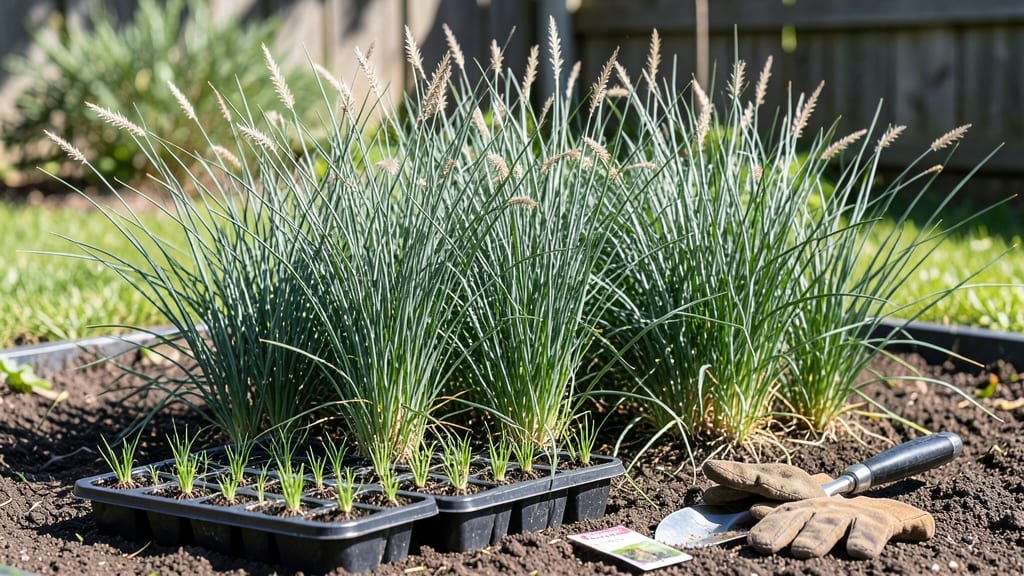
Planting fescue in Missouri at the wrong time means struggling with weak roots and winter browning—while getting the timing right guarantees a thick, resilient lawn that handles Missouri’s heat and humidity like a champ.
The key isn’t just picking a season, but knowing exactly when to plant for strong establishment before frost hits.
Most gardeners assume fall is the only option, but even in 5b-6a zones like yours, early fall planting (late August through September) gives fescue 6-8 weeks to develop deep roots before winter sets in.
This is when soil stays warm enough for germination while avoiding summer’s scorching heat that can stress new seedlings.
Let’s break down the exact planting window for your region, including soil prep tips and how to adjust for microclimates—whether you’re in St. Louis, Kansas City, or rural Missouri.
You’ll learn why August is often the sweet spot and how to tell when your lawn is truly ready for the cool-season grass.
Ready to transform your lawn? I’ll walk you through every step, from soil testing to post-planting care, so you can skip the guesswork and enjoy that lush, green fescue come spring.
Missouri’s ideal fescue planting window: weeks before frost for strong roots
Timing is everything when planting fescue grass in Missouri. The cool-season grass thrives when established 6-8 weeks before frost, giving roots time to anchor before winter dormancy. Missouri’s USDA zones 5b-6a mean your ideal window shifts slightly between cities like St. Louis and Kansas City.
For most of Missouri, the perfect planting window falls between mid-August and early September. This aligns with soil temperatures dropping below 80°F but staying above 60°F—ideal for root growth without stressing young seedlings in summer heat.
Missouri’s climate varies dramatically. Rural areas in the Ozarks region may experience frost as early as mid-October, while urban areas like St. Louis often see frost late October to early November. Always check your local frost dates using the Missouri Botanical Garden’s frost calendar.
Here’s how to calculate your exact planting window: Subtract 6-8 weeks from your average first frost date. For example, if frost hits October 15, plant between August 25 and September 10.
| Climate Zone | Ideal Planting Window | Soil Temp Threshold | Key Consideration |
|---|---|---|---|
| St. Louis (Zone 6a) | Late August – Early September | 60°F–80°F | Humidity spikes in September |
| Kansas City (Zone 5b) | Mid-August – Late August | 55°F–75°F | Earlier frost risk |
| Ozarks (Zone 6b) | Early September – Mid-September | 65°F–78°F | Longer growing season |
Planting too early in July or early August risks summer stress—your fescue will struggle with Missouri’s 90°F+ heat and may develop brown patches before roots establish. Conversely, planting too late (after mid-September) gives seedlings insufficient time to develop deep roots before winter.
Missouri’s humid climate also demands attention. After planting, monitor for fungal diseases like brown patch, which thrive in warm, moist conditions. Water deeply in the morning to reduce humidity on leaves and encourage root growth.
For best results, use a soil thermometer to confirm temperatures are between 60°F–75°F before seeding. This ensures your fescue establishes strong roots before fall rains and winter dormancy set in.
Pro tip: If you miss the fall window, spring planting is possible—but it’s riskier. Seedlings face competition from weeds and may struggle with spring drought. Fall planting is always the gold standard for Missouri lawns.
Missouri’s drought-prone summers make fescue a top choice, but only if planted at the right time. A well-timed fall planting means a thicker lawn, better drought resistance, and fewer weed problems next spring. 🌱
Missouri’s ideal fescue planting window: weeks before frost for strong roots
Timing is everything when planting fescue grass in Missouri, where fall temperatures can swing dramatically. The optimal window is 4-6 weeks before your first frost, giving roots time to establish before winter dormancy.
For most of Missouri (USDA zones 5b-6a), this means late August through mid-September—but your exact date depends on your microclimate.
Missouri’s climate varies significantly from St. Louis (warmer) to rural areas (cooler). Check your local frost date using the Missouri Botanical Garden’s frost map or the USDA Plant Hardiness Zone Map.
For example, Kansas City typically sees frost around October 15, while Southeast Missouri may wait until mid-October.
Soil temperature is just as critical as air temperature. Fescue seeds need soil temps between 60°F and 75°F for germination. Use a soil thermometer to confirm—planting too early (when soil is still warm) risks fungal diseases, while waiting too late (soil below 60°F) slows root growth.
🌱 Missouri Fescue Planting Timeline
| Zone | Ideal Planting Window | Soil Temp Requirement | First Frost Date |
|---|---|---|---|
| St. Louis (6a) | Late August - Early September | 60°F–75°F | October 10–15 |
| Kansas City (5b) | Mid-August - Mid-September | 60°F–75°F | October 15–20 |
| Southeast MO (6a) | Early September - Early October | 60°F–75°F | October 20–November 1 |
💡 Pro Tip: Use a frost calendar from your local Missouri County Extension for hyper-local precision.
If you miss the fall window, spring planting is possible but riskier. Seedlings struggle with summer heat, and Missouri’s July temperatures often exceed 90°F—ideal conditions for dormancy stress.
If you plant in spring, aim for early April (after soil warms to 60°F) and prioritize shade-cloth coverage during peak heat.
For overseeding existing lawns, follow the same timeline but reduce seed rates by 25-30%. Thin grass already established will compete for nutrients, so focus on watering deeply (1–1.5 inches per week) to encourage new root growth before winter sets in.
Missouri’s humid climate demands extra vigilance. Plant too late, and fungal diseases like brown patch thrive in damp, cool conditions. To hedge your bets, test your soil pH (target 6.0–7.0) and consider a pre-emergent fungicide if your lawn has a history of issues.