
Plants
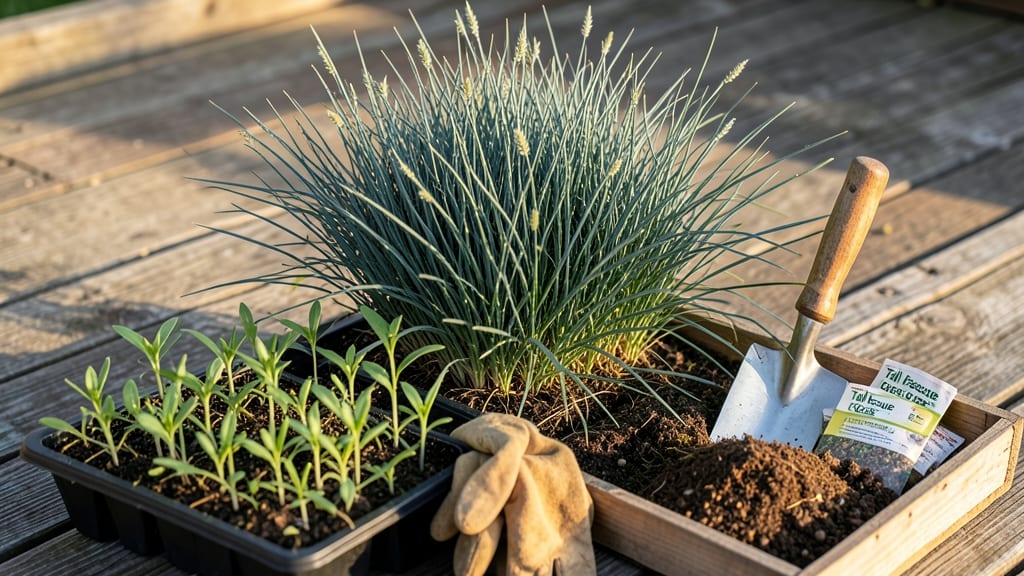
Planting fescue in North Texas at the wrong time can mean the difference between a lush, green lawn and struggling grass that never quite takes hold. The key window—late summer to early fall—aligns perfectly with the region's 7b-8a climate, giving your 🌱 fescue the best shot at deep root establishment before winter sets in.
Why does timing matter so much? Because North Texas summers are brutal, and planting too early means battling heat stress, while waiting too late risks weak roots before the first frost.
The solution? A 6-8 week window where temperatures cool just enough for seeds to germinate without wilting, and rainfall patterns support consistent moisture.
In this guide, I’ll break down exactly when to plant—whether you’re in Dallas, Wichita Falls, or Abilene—and how to prep your soil for success. You’ll also learn why fall planting is your best bet, plus common pitfalls to avoid so your fescue thrives year-round.
Ready to transform your lawn? Let’s get started with the perfect planting schedule for North Texas fescue.
Optimal planting window for fescue in North Texas climate zones
North Texas's USDA zones 7b-8a create a unique challenge for fescue growers—summers are brutal, while winters can freeze young grass before it establishes. The 6-8 week window from late August through mid-October is your best bet for success.
This period balances cooler soil temperatures and longer daylight hours, giving seeds the energy they need to sprout and roots to develop before winter dormancy.
For Dallas-Fort Worth, aim to plant by mid-October—any later, and your fescue may go dormant before forming a strong root system. In Wichita Falls (hotter and drier), start by late August to avoid the intense September heat.
Meanwhile, Abilene's slightly cooler nights allow for a slightly later window—up to early November in mild years.
Why this window? Fescue seeds need soil temperatures between 60-75°F to germinate. In late summer, daytime highs may still hit 90°F+, but evening drops help cool the soil. By September, temperatures drop enough to support steady growth without stressing young seedlings.
Plus, fall rainfall patterns in North Texas provide natural moisture without the fungal risks of summer downpours.
Day length also plays a role—shorter days in October signal your fescue to focus on root development rather than leafy top growth. This means stronger turf come spring. Skip planting in spring, though—North Texas summers will bake young fescue before it can establish, leaving you with patchy, weak grass.
Pro tip: Use a soil thermometer to confirm temps are in the 60-75°F range before planting. If your soil runs hotter, wait a few days or plant in the late afternoon when the ground cools slightly. Morning planting in 90°F+ heat can cause seeds to dry out before germination.
🌱 North Texas Fescue Planting Timeline
| Region | Ideal Planting Window | Key Climate Factor | Soil Temp Goal |
|---|---|---|---|
| Dallas-Fort Worth | Late August - Mid-October | Moderate humidity, clay-heavy soils | 65-72°F |
| Wichita Falls | Late August - Early October | Drier, faster-draining soils | 60-68°F |
| Abilene | Early September - Early November | Cooler nights, rocky soils | 62-70°F |
| Panhandle (Amarillo) | Mid-August - Late September | Arid, windy conditions | 58-65°F |
💡 Note: Adjust for microclimates—shady areas may need earlier planting, while south-facing slopes can handle later dates.
If you miss the fall window, spring planting is possible but risky. Seedlings planted in March or April face summer heat stress by June, often resulting in thin, weak grass. For a second chance, consider overseeding in late September—this tops up existing lawns with fresh seed without full replanting.
Watch for first frost dates, typically around November 15 in most of North Texas. Plant 4-6 weeks before this date to ensure your fescue has time to germinate, develop roots, and harden off before winter.
In higher elevations like the Davis Mountains, frost can come as early as October 30, so adjust your timeline accordingly.
For container-grown fescue (sod or plugs), the window is slightly wider—you can plant until mid-November in most areas. The established root ball gives these plants a head start, but they’ll still need protection from winter winds and consistent moisture through their first freeze.
One final tip: If your area experiences unpredictable weather (like early freezes or heatwaves), use row covers or shade cloth to protect young seedlings. This buys you an extra 2-3 weeks of growing time in critical moments.
Optimal planting window for fescue in North Texas climate zones
North Texas spans USDA Zones 7b-8a, where late summer to early fall creates the perfect balance for fescue germination. The 6-8 week window from late August through mid-October aligns with cooling temperatures and increasing rainfall—ideal for root establishment before winter dormancy.
In Dallas-Fort Worth, aim to plant by mid-October to ensure roots develop before the first frost (November 15). Meanwhile, Wichita Falls and Abilene can extend planting slightly later due to their drier climates, but avoid waiting past early November.
Soil temperatures between 60°F and 75°F trigger faster germination. In North Texas, these conditions typically occur in September, making it the peak month for planting. Day-length changes also play a role—shorter days signal fescue to focus on root growth rather than top growth.
🌱 North Texas Fescue Planting Timeline
| Zone | Ideal Planting Window | Key Conditions |
|---|---|---|
| 7b (DFW) | Late August - Mid-October | 60-75°F soil temps, 1-2" weekly rain |
| 8a (Panhandle) | Early September - Early November | Drier climate; water deeply 2x/week |
| All Zones | Avoid planting after first frost | Roots need 60+ days to establish |
Rainfall patterns shift dramatically in North Texas during this window. September often brings 2-3 inches of rain, while October sees 1-2 inches. Plan to supplement irrigation if rainfall drops below 1 inch per week, as fescue needs consistent moisture for germination.
Spring planting is riskier in North Texas. While possible in March-April, fescue faces summer heat stress before roots establish. If you must plant in spring, use shade cloth and daily watering to protect seedlings until temperatures drop below 85°F.
For best results, test your soil's moisture retention before planting. North Texas' clay-heavy soils (common near DFW) benefit from compost amendments, while sandy soils (Panhandle areas) need organic matter to hold water. Aim for 1 inch of water per week during establishment.