
Plants
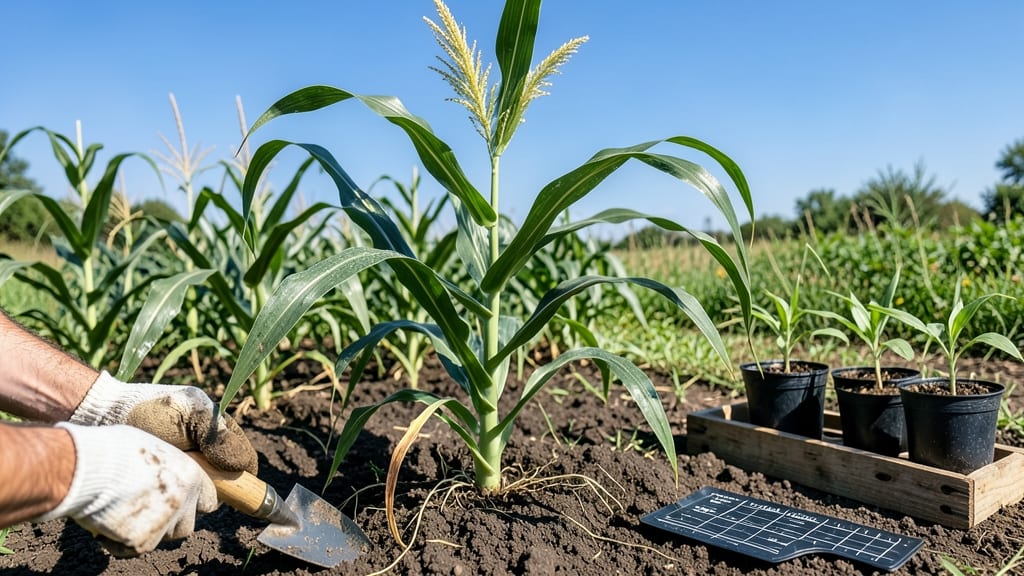
Planting corn in California at the wrong time can mean the difference between a bountiful harvest and wasted effort. With its diverse climate—from coastal fog to Central Valley heat—getting the timing right is everything.
Whether you're in USDA Zone 9a-10b or a microclimate with unique frost risks, understanding when to plant 🌽 ensures your garden thrives.
Most gardeners in California start planting corn between March and June, but coastal areas can begin as early as February. The key isn’t just the calendar—it’s soil warmth. Corn needs temperatures above 60°F to germinate properly, and late frosts can still threaten tender seedlings.
Inland desert regions, like the Central Valley, have shorter windows, while coastal areas enjoy longer growing seasons.
I’ll walk you through the best planting strategies for your specific region, including soil tests, frost-free zone adjustments, and companion planting tips. Whether you’re a beginner or a seasoned gardener, these insights will help you maximize your yield and avoid common pitfalls.
Ready to grow sweet, tender corn straight from your garden? Let’s dive into the exact timing and techniques that work for California’s varied climate.
California corn planting dates by region: soil temperature & frost risk guide
California’s microclimates create a puzzle for corn growers. The Central Valley bakes at 90°F+ by May, while coastal San Francisco clings to 55°F well into spring. Your planting window hinges on soil temperature (not air temp) and frost risk.
Let’s break it down by region to avoid late frosts or heat stress.
Most California gardens fall into three zones: Northern (USDA 9a), Central (9b-10a), and Southern (10b). Coastal areas—like Santa Barbara—can plant 4-6 weeks earlier than inland Sacramento.
The key? Wait until soil hits 60°F (use a soil thermometer or the knuckle test—if your knuckles feel warm after 10 seconds, it’s ready).
🌱 Did You Know? Coastal San Diego rarely sees frost, while Fresno averages 2-3 frost nights per year. Planting too early in inland areas risks seed rot; too late, and you’ll miss the harvest window before summer heat sets in.
For high-elevation gardens (e.g., Lake Tahoe area, USDA 7b-8a), push planting to late May and choose early-maturing varieties like ‘Golden Bantam’ (60 days). These areas face shorter growing seasons and cooler soils, so black plastic mulch can add 5–10°F to soil warmth.
Inland deserts like Palm Springs (USDA 10b) can plant as early as January, but summer heat (100°F+) shortens the harvest window. Opt for heat-tolerant varieties like ‘Peaches and Cream’ and succession plant every 2 weeks for continuous harvests through September.
Pro tip: Use frost cloth in Northern California to extend the season. If a late frost hits after planting, cover seedlings with row covers until danger passes. 🌡️
Always check your local extension office for microclimate adjustments. For example, Napa Valley (USDA 9b) can be 10°F cooler than nearby Sacramento, delaying planting by 2–3 weeks. 🌿
If you’re in Southern California and want year-round corn, try fall planting (August–September) for a winter harvest. Just ensure soil stays above 50°F and use cold-hardy varieties like ‘Country Gentleman’ (85 days). ✂️
Remember: Corn is sensitive to transplant shock. Direct-sow seeds 1 inch deep, 12 inches apart, in blocks (not rows) for better pollination. 🌽
How to time corn planting for maximum yield: soil warmth tests & seed depth
Timing your corn planting isn’t just about checking a calendar—it’s about soil temperature and frost risk. Corn thrives when soil reaches 60°F or warmer, but cooler microclimates (like coastal areas) need extra patience.
I’ve learned the hard way that planting too early in chilly soil can stunt growth or even kill seedlings before they sprout.
California’s microclimates complicate things further. While the Central Valley might be ready by early March, coastal regions like San Francisco often wait until April or May when soil finally warms. Always check your local last frost date—corn is frost-sensitive, and even a light freeze can devastate young plants.
For a quick no-tools test, press your finger into the soil. If it feels warm to the touch (like a hot cup of tea), it’s likely ready. Another trick? Bury a thermometer in the soil for 24 hours to get an accurate reading.
I’ve also seen gardeners use the "knuckle test"—if your knuckles feel warm after pressing into the soil, it’s time to plant.
Once your soil is ready, seed depth matters. Plant corn seeds 1-1.5 inches deep, spacing them 4-6 inches apart in rows 2-3 feet apart. Deeper planting can cause seed rot, while shallow planting risks uneven germination.
In California’s sandy soils (common in coastal areas), aim for the deeper end of the range to retain moisture.
To extend your growing season in cooler areas, try companion planting. Corn pairs well with beans (which fix nitrogen in the soil) and squash (which deters pests). I’ve had great success planting corn near marigolds to repel corn earworm moths—a common pest in California gardens.
Just avoid planting near tomatoes or cabbage, which can compete for nutrients.
Finally, consider succession planting for a continuous harvest. In warmer regions like the Central Valley, you can plant every 2-3 weeks from March through June. Coastal gardeners might stick to one planting in April and one in May to avoid late-season frosts.
Keep track of your harvest dates—corn typically takes 60-120 days to mature, depending on the variety.