
Plants
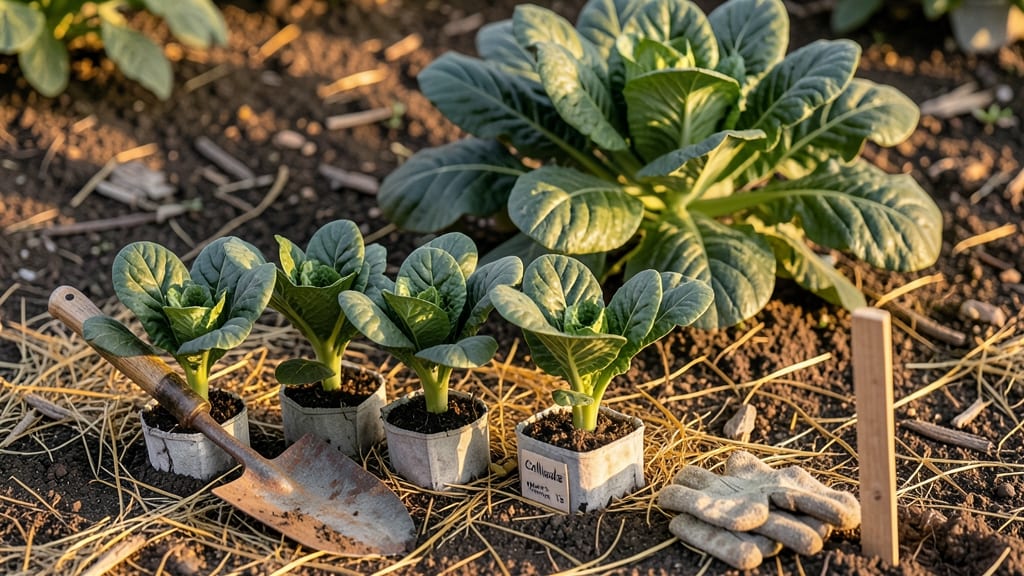
Timing your collards 🥬 planting in North Carolina isn't just about the calendar—it's about beating frost, soil warmth, and even your elevation. Get this wrong, and you'll either wait months for harvests or watch your plants bolt before they mature.
North Carolina's USDA Zones 7a-8b create big differences between mountain valleys and coastal plains. In the cooler 7a zones, you might need to start seeds indoors by February, while 8b gardeners can direct-sow as early as March.
The key? Planting when soil temps hit 50°F and counting back from your last frost date.
But here's the game-changer: most NC gardeners actually plant twice—once in spring for summer harvests and again in late summer for fall/winter crops. This succession planting strategy lets you enjoy fresh collards 🥬 from May through December, even when temperatures dip.
I'll break down the exact frost-free windows for your specific zone, plus pro tips for extending your growing season with row covers and cold frames. Let's make sure your collards thrive all year, not just in the perfect spring window.
North Carolina collard planting dates by USDA hardiness zones 7a-8b
North Carolina’s three distinct USDA zones (7a, 7b, and 8a-8b) create wildly different planting windows for collards. In Zone 7a (mountains), the last frost arrives April 15-30, while Zone 8b (coastal) enjoys frost-free soil by March 1-15.
Planting too early in cooler zones risks frost damage, while late planting in warmer zones can lead to bolting before harvest.
For all zones, soil temperature must reach 50°F (10°C) before transplanting. Use a soil thermometer to confirm—cold soil stunts root growth. In Zone 7a, wait until mid-April; in Zone 8b, you can plant as early as late February under row covers for a jumpstart.
| USDA Zone | Last Frost Date | Best Planting Window | Soil Temp Requirement | Transplant Tip |
|---|---|---|---|---|
| 7a (Mountains) | April 15-30 | April 15-May 15 | 50°F+ (10°C) | Use black plastic mulch to warm soil faster |
| 7b (Piedmont) | April 1-15 | March 20-April 30 | 50°F+ (10°C) | Hardy enough for early starts with row covers |
| 8a-8b (Coastal) | March 1-15 | February 20-March 31 | 45°F+ (7°C) | Direct sow as early as February for fall harvest |
For a fall crop, plant collards in late summer (August-September) in all zones. Coastal areas (Zone 8b) can extend harvests until December, while mountain zones (7a) should finish by November 15 to avoid frost. Use succession planting every 2-3 weeks in spring for continuous harvests.
In Zone 7a, I’ve had success with black plastic mulch to warm soil faster, allowing me to plant 2 weeks earlier than the average window. For Zone 8b, I recommend direct sowing in February under floating row covers to protect tender seedlings from unexpected cold snaps.
Always harden off seedlings for 7-10 days before transplanting, especially in Zone 7a where temperature swings are common. Acclimate plants to outdoor conditions by gradually increasing exposure to wind and sun.
If you’re in Zone 7b or 8a, consider planting cold-hardy varieties like 'Georgia Southern' in early spring. These varieties tolerate light frosts (28°F/-2°C) and produce sweeter leaves after frost exposure—a trait called winterizing.
Pro tip: Mark your planting dates on a garden calendar and adjust based on microclimates. A north-facing bed stays cooler longer, while a south-facing bed warms up faster. Use this to your advantage for staggered plantings.
Never plant collards in summer heat (June-July) unless you’re using shade cloth. High temperatures cause bolting, turning your leafy greens into bitter seed stalks. Instead, focus on spring and fall plantings for the best flavor and yield.
For container gardening, use 5-gallon pots with well-draining soil and plant 2-3 weeks earlier than ground planting dates. Containers warm up faster and can be moved to protected locations during cold snaps.
North Carolina collard planting dates by USDA hardiness zones 7a-8b
North Carolina’s USDA hardiness zones 7a-8b create distinct planting windows for collards. In zone 7a (mountains), like Asheville, your last frost typically arrives April 15-30, while coastal zone 8b (e.g., Wilmington) enjoys frost-free soil by March 1-15.
These differences mean your planting schedule should shift 4-6 weeks based on elevation.
For spring planting, aim to sow seeds or transplant seedlings 4-6 weeks before your last frost date. In zone 7a, that’s mid-March to early April, while zone 8b gardeners can start late February to March.
This timing ensures seedlings mature before summer heat arrives, preventing bolting or bitter flavors.
| Zone & Location | Last Frost Date | Spring Planting Window | Fall Planting Window |
|---|---|---|---|
| 7a (Mountains: Asheville) | April 15-30 | March 15-April 1 | August 15-September 15 |
| 7b (Piedmont: Raleigh) | April 1-15 | February 28-March 15 | August 1-September 1 |
| 8a-8b (Coastal: Wilmington) | February 28-March 15 | Late February-Early March | July 15-August 15 |
Soil temperature is just as critical as frost dates. Collards thrive when soil reaches 50-60°F, which typically occurs 2-3 weeks before your last frost. Use a soil thermometer to confirm—planting too early in cold soil delays germination.
For direct sowing, scatter seeds ½ inch deep and space rows 18-24 inches apart to allow leafy growth.
Fall planting offers a second harvest window. In zone 7a, sow seeds August 15-September 15 for a November-December harvest before hard frosts. Coastal zones (8a-8b) can extend this to early October. Choose cold-hardy varieties like 'Georgia Southern' to survive light frosts (25°F) without damage.
Pro tip: Harden off transplants for 7-10 days before moving them outdoors. Gradually expose them to sun and wind to prevent shock. In zone 7a, this means starting seedlings indoors by February 15 for a spring crop, while zone 8b gardeners can direct-sow as early as mid-February.
For continuous harvests, stagger plantings every 2-3 weeks during your zone’s ideal window. This ensures you always have mature leaves while younger plants grow. Mulch with straw or leaves to retain soil moisture and regulate temperature—critical in NC’s humid summers and cool winters. 🌱