
Plants
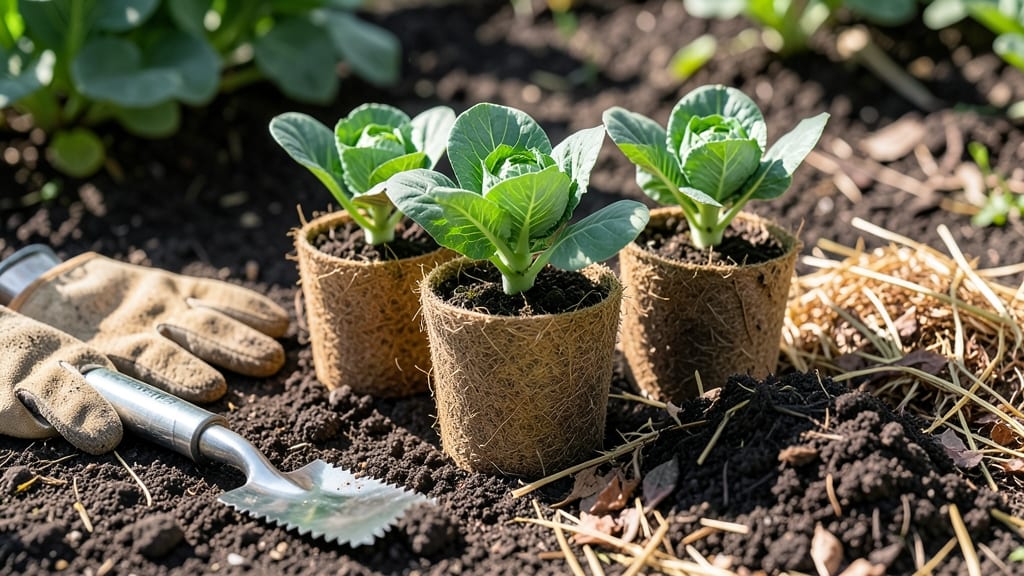
If you're growing 🥬 cabbage in North Carolina, when do you plant cabbage in the state is the key to a thriving harvest. Getting the timing right is the difference between a bountiful crop and wasted effort.
The wrong planting window means risking frost damage in spring or bolting in summer heat, but with the right schedule, you can enjoy fresh heads from June through November.
North Carolina's USDA zones 7a-8b offer two perfect planting windows: late winter for spring crops and late summer for fall harvests. Whether you're starting seeds indoors or transplanting seedlings, knowing when to put them in the ground makes all the difference for your 🥬 cabbage plants.
In this guide, I'll break down exactly when to plant each cabbage variety - from early spring types that handle cooler temperatures to heat-tolerant varieties for your fall garden. You'll learn how to adjust for your specific region, whether you're in the warmer coastal plains or cooler mountain areas.
Ready to grow cabbage that thrives? Let's dive into the precise planting timeline that works for North Carolina's unique climate, so you can enjoy homegrown 🥬 cabbage all season long without the guesswork.
Best planting times for cabbage in North Carolina by variety type
North Carolina’s USDA zones 7a–8b offer two ideal windows for growing cabbage: early spring and late summer. Spring plantings thrive when soil temperatures reach 45°F+, while fall crops need 60–70 frost-free days to mature.
The key? Matching your cabbage variety to the season’s heat tolerance and your region’s last frost date (typically mid-March in Piedmont, later in Coastal areas).
For spring cabbage, start seeds indoors 6–8 weeks before your last frost or transplant hardened seedlings in late February–early April. In the Coastal Plain, where winters are milder, you can plant as early as mid-February.
Meanwhile, Mountain regions (like Asheville) should wait until mid-April to avoid frost damage. Fall plantings, however, must occur by late July–early August to ensure harvests before the first frost in mid-November.
Variety selection is critical. Early-season varieties like Golden Acre (50–60 days to harvest) tolerate cooler temps, while heat-tolerant types such as Red Express (70–80 days) thrive in summer’s humidity. Savoy cabbage, with its crinkled leaves, handles NC’s humid summers better than smooth varieties. Always check seed packets for days to maturity—this determines your planting window.
🥬 Cabbage Planting Schedule for North Carolina
| Variety Type | Spring Planting Window | Fall Planting Window | Days to Maturity | Notes |
|---|---|---|---|---|
| Early (Golden Acre) | Late Feb–Early April | N/A | 50–60 days | Cold-hardy; best for spring |
| Mid-Season (Savoy) | Early March–Mid-April | Late July–Early Aug | 60–70 days | Humidity-tolerant; great for NC summers |
| Late (Red Express) | N/A | Late July–Early Aug | 70–80 days | Heat-tolerant; ideal for fall |
| Dwarf (Miniature) | Early March–Mid-April | Late July–Early Aug | 45–55 days | Compact; good for containers |
Soil temperature is your best indicator for planting. Use a soil thermometer to confirm 45°F+ for spring or 60°F+ for fall. In Coastal NC, where soil warms faster, you can plant 2–3 weeks earlier than in the Piedmont.
For Mountain regions, delay until soil reaches 50°F to avoid stunted growth. Pro tip: Direct-sow seeds in spring for faster germination, but transplant seedlings in fall to give them a head start.
If you’re growing cabbage for fall harvests, aim to plant by August 1st in most of NC. This ensures heads mature before first frost, which typically hits mid-November in the Piedmont and earlier in the Mountains.
For Coastal areas, you might squeeze in a late August planting, but monitor weather forecasts closely. Always account for 10–14 days of buffer time before the first frost to avoid losing your crop.
For successive planting, stagger seeds every 2–3 weeks in spring (up to mid-April) to extend harvests. In fall, plant every 3 weeks from late July until early August. This strategy prevents bolting (premature flowering) caused by heat stress and ensures a steady supply of fresh cabbage.
Just remember: Never plant cabbage in summer’s peak heat (June–July), as temperatures above 80°F trigger bolting within weeks.
One critical factor often overlooked is soil pH. Cabbage
How to adjust planting dates for North Carolina’s microclimates
North Carolina’s diverse geography—from the Coastal Plain to the Piedmont and Mountain regions—means frost dates and soil warming vary dramatically. Your planting schedule should shift based on these microclimates to avoid bolting or frost damage.
For example, Mountain regions (like Asheville) may have 3-4 weeks earlier frost dates than Coastal areas (like Wilmington), so adjust your timing accordingly.
In Coastal NC (Zones 8a-8b), where winters are milder, you can start spring cabbage as early as late February, while Mountain NC (Zones 6b-7a) gardeners should wait until mid-March to avoid frost.
Similarly, fall planting in the Mountains should begin by late July, while Coastal gardeners can extend it to early August for a second harvest.
Here’s how to fine-tune your schedule for each region—plus succession planting tricks to keep cabbage coming all season. The key is soil temperature: cabbage seeds need 45°F+ to germinate, while seedlings thrive in 50-75°F soil. Use a soil thermometer to time your planting perfectly.