
Companion Plants
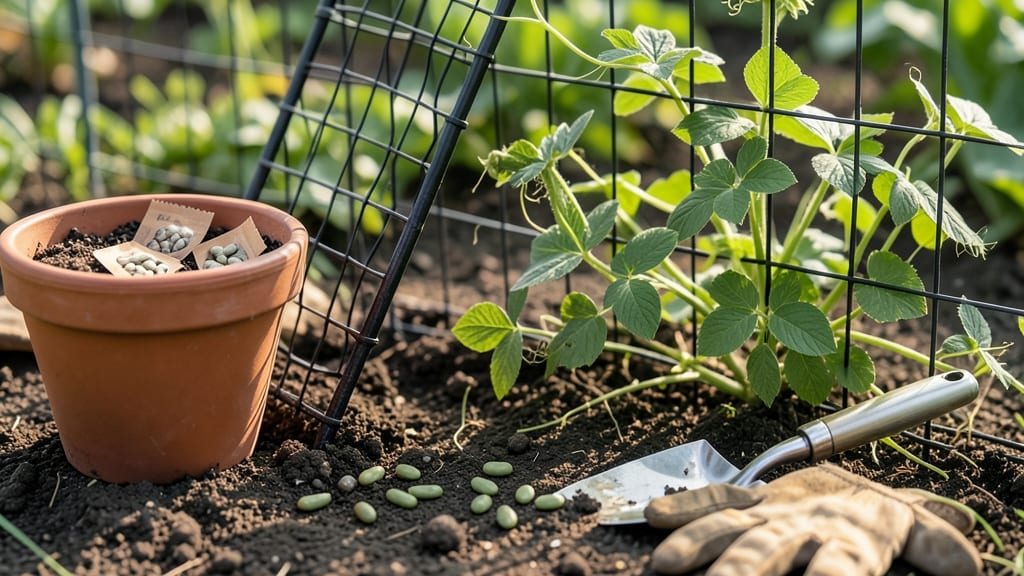
Timing peas in the UK can make or break your harvest—plant too early, and frost will nip your tender shoots before they even think about flowering. But get it right, and you’ll be picking sweet, crisp pods by midsummer, straight from your garden. The secret lies in understanding your region’s frost-free window, whether you’re in frost-prone Scotland or milder Southeast England.
Most UK gardeners know peas love spring, but the exact timing varies wildly. In warmer southern areas (zones 8-10), you can start as early as March, while northern regions (zones 6-7) often wait until April to avoid late frosts.
Even within a single county, microclimates near coasts or hills can shift your ideal planting date by weeks.
Beyond dates, soil temperature and variety choice matter just as much. Cold-hardy types like ‘Feltham First’ can handle early sowing, while slower varieties need warmer soil.
I’ll break down the best methods to extend your season—whether you’re using cloches, fleece, or simply choosing the right spot to outsmart the UK’s unpredictable weather.
Ready to turn your garden into a pea powerhouse? Let’s dive into the exact steps to time your planting for a reliable harvest, no matter where you are in the UK.
You’ll learn how to read frost forecasts, prepare your soil, and even squeeze in a second crop if you’re feeling ambitious.
UK pea planting dates by region: frost-free windows for best results
Peas are one of the first spring vegetables you can plant in the UK, but timing varies dramatically by region.
In southern England, like London or Kent, you can start as early as mid-February under cloches, while Scotland and Northern Ireland may wait until late March or April to avoid frost damage.
The key is planting 2-3 weeks before your last frost date—when soil temperatures hit 45°F (7°C)—to ensure healthy germination.
Most UK gardeners aim for March to early April for maincrop peas, with late summer (August-September) as a secondary window. Dwarf varieties like ‘Meteor’ mature faster (60 days) and tolerate cooler soil, while standard climbers like ‘Feltham First’ need warmer conditions.
Always check your local Met Office frost averages—a late frost can devastate young seedlings.
🌱
For autumn planting, aim for late August to early September in most regions, giving peas time to mature before first frosts in October-November. Dwarf varieties are ideal here—they mature in 60-70 days, so even a short season works.
In cooler climates like Scotland, stick to cold-hardy types like ‘Hurst Green Shaft’ and plant no later than early September.
Microclimates matter! Gardens near coastal areas (e.g., Cornwall, East Anglia) are 2-3°C warmer than inland spots, letting you plant 2 weeks earlier. Use a soil thermometer—peas need soil at 45°F (7°C) to germinate.
If soil is colder, wait or use grow bags in a greenhouse to warm the roots.
Pro tip: Succession plant every 2 weeks from March to May for a staggered harvest. This works especially well with dwarf varieties, which take up less space. Sweet peas (not eating peas) can also be sown in late summer for winter-flowering displays—just choose frost-resistant varieties like ‘Cupani’.
🌿
If you’re unsure about your local frost dates, check the Met Office’s long-term averages for your nearest town. For example, London’s last frost averages mid-April, while Edinburgh’s can linger until early May. Planting too early risks blackened seedlings
UK pea planting dates by region: frost-free windows for best results
Peas are one of the first spring vegetables you can plant in the UK, but timing varies dramatically across regions. In southern England, where last frosts typically arrive by mid-April, you can start sowing as early as February under cloches.
Meanwhile, in Scotland or Northern Ireland, wait until late April to avoid frost damage to tender seedlings.
The key is aligning your planting with your region’s average last frost date. Most UK gardeners aim to sow peas 2-3 months before the last expected frost, ensuring plants establish roots before warmer weather arrives.
For example, Wales falls between these extremes, with ideal sowing between March and early April.
🌱 UK Pea Planting Calendar by Region
| Region | Early Sowing (Cloches) | Main Sowing Window | Late Sowing (Autumn) |
|---|---|---|---|
| Southeast England | February (under cloches) | March–April | September–October |
| Midlands/West England | March (under fleece) | April–May | Late August–September |
| Scotland/Northern Ireland | April (under cloches) | May–June | July–August |
| Wales | Late February (coastal) | March–April | September |
For autumn planting, aim to sow peas 8-10 weeks before the first frost in your area. In warmer southern regions, this means September sowing for harvests in November-December. In cooler areas like Scotland, delay until July-August to avoid early frosts.
Microclimates matter! Coastal areas like Cornwall or Devon can plant 2-3 weeks earlier than inland regions due to milder temperatures. Use a garden thermometer to check soil temperatures—peas thrive when soil reaches 7°C (45°F).
Don’t forget succession planting: Sow peas every 2-3 weeks during your region’s main window for a staggered harvest. This prevents glutting your kitchen and maximizes garden space.
If you’re unsure about your local frost dates, check the Met Office’s long-term averages or use a frost calendar app. With the right timing, you’ll enjoy sweet peas from spring through autumn—no freezing required! 🌱