
Plants
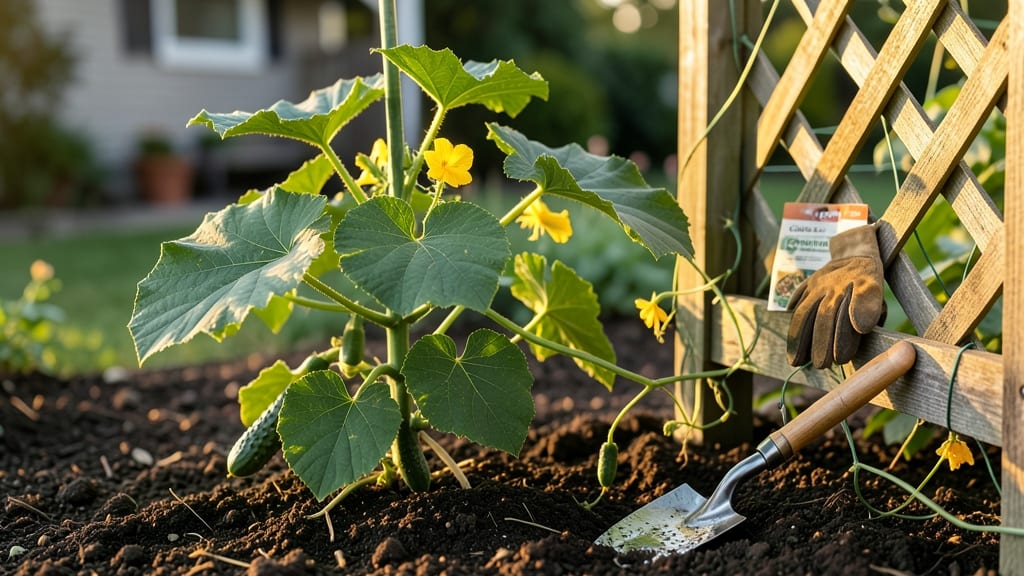
Timing your cucumber planting in New Hampshire can mean the difference between a bountiful harvest and a wasted effort. With USDA Zones 5b-6a and unpredictable frost dates, knowing when to plant cucumbers in NH is critical for success.
Most gardeners in New Hampshire wait until mid-May to early June after the last frost, but your exact window depends on your microclimate. Coastal areas like Portsmouth may have a 2-week advantage over inland valleys, where cooler soils delay germination.
Whether you're using transplants or direct sowing, soil temperature is the key factor. Aim for at least 60°F before planting—black plastic mulch can help warm the soil faster in cooler NH springs.
In this guide, I’ll break down the best planting times for your specific location, plus pro tips to extend your growing season and avoid common NH pitfalls. Let’s get those cucumbers growing!
New Hampshire cucumber planting deadlines by hardiness zone & microclimate
New Hampshire’s USDA Zones 3b-5a create a tricky balance for cucumbers—too early, and frost zaps tender seedlings; too late, and your season shrinks. The average last frost date hovers around May 15, but your exact timeline depends on whether you’re near the coast, lakes, or inland valleys.
Coastal areas like Portsmouth often warm up 1-2 weeks earlier than inland spots like Concord, while lake-effect zones (e.g., Lake Winnipesaukee) can delay warming by a week.
Cucumbers need soil temperatures above 60°F to germinate—colder soil slows growth or causes rot. Use a soil thermometer to confirm readiness; if your soil runs cooler, try black plastic mulch to raise temperatures by 5-10°F.
In rocky NH soil, mulch also helps retain moisture, which cucumbers desperately need during our humid summers.
Here’s your microclimate-specific planting window, based on historical data and local gardener feedback:
| Microclimate | USDA Zone | Last Frost Date | Planting Window | Soil Temp Threshold |
|---|---|---|---|---|
| Coastal (Portsmouth) | 5a | May 1–10 | Late April–May 15 | 60°F+ (earlier with mulch) |
| Lake Effect (Lake Winnipesaukee) | 4b | May 10–20 | May 15–June 1 | 65°F+ (warmer soil needed) |
| Inland Valley (Concord) | 5b | May 15–25 | May 20–June 5 | 60°F+ (standard) |
| Northern (White Mountains) | 3b | May 25–June 5 | June 1–15 | 65°F+ (longer warm-up) |
🌱 Note: Adjust for your specific location using NH Agricultural Experiment Station frost maps.
For direct sowing (planting seeds outdoors), aim to start 2 weeks before your last frost date—this gives seedlings time to establish before heat sets in. If you’re using transplants, wait until 2 weeks after your last frost, as young cucumber plants are frost-sensitive.
Pro tip: Hardening off transplants for 7-10 days before planting improves survival rates in NH’s unpredictable spring weather.
Don’t overlook succession planting—sow a second batch 2-3 weeks after your first planting to stretch your harvest into early fall. In NH, this means a late-June planting can yield cucumbers until early September, just before the first frost.
Choose heat-tolerant varieties like ‘Straight Eight’ or ‘Marketmore 76’ for these later plantings; they handle NH’s humid, hot summers better than standard varieties.
One critical NH-specific factor is soil drainage. Our rocky, sandy soils can dry out quickly or become waterlogged after rain. Amend beds with 2-3 inches of compost before planting to improve moisture retention and fertility.
Test your soil’s pH too—cucumbers thrive in 6.0-6.8 pH, and NH’s natural acidity often needs a lime adjustment.
If you’re in a shorter-season zone (e.g., White Mountains), consider container growing. Black pots absorb heat faster than soil, helping cucumbers mature sooner. Place containers on patios or decks where they’ll get full sun (6+ hours), and use a trellis to save space
How to extend your NH cucumber growing season with smart timing
New Hampshire’s short growing season doesn’t have to limit your cucumber harvest. With the right timing strategies, you can enjoy fresh cucumbers from early June to late September. The key is balancing seed-starting dates, soil warmth, and protective measures to shield young plants from late frosts.
For coastal areas like Portsmouth, where frost risk lingers until May 20–25, start seeds indoors 4–6 weeks before your last frost date. Inland valleys like Concord (frost-free by May 10–15) can direct-sow seeds 2 weeks earlier once soil hits 60°F.
Use a soil thermometer—cucumbers won’t germinate below 55°F.
🌱 Numbered Highlights: NH Cucumber Timing Tactics
- 📅 Start seeds indoors: March 15–April 1 for coastal NH; April 1–15 for inland areas.
- 🌱 Harden off seedlings: 2 weeks before transplanting to acclimate to outdoor temps.
- 🌡️ Direct-sow outdoors: After May 15 (coastal) or after May 1 (inland) when soil is 60°F+.
- 🛡️ Use row covers: Extend season by 2–3 weeks if frosts linger past May 20.
- 🌿 Succession plant: Sow every 2 weeks until June 15 for staggered harvests.
- ☀️ Warm soil faster: Lay black plastic mulch 1–2 weeks before planting.
- 🥒 Late varieties: Try ‘Straight Eight’ or ‘Marketmore 76’ for heat tolerance.
Don’t overlook row covers or cold frames—these can push your harvest window 2–3 weeks later into September. For example, in Lake Winnipesaukee’s cooler microclimate, I’ve used floating row covers to protect seedlings until June 1, then removed them once plants were 12 inches tall.
If you’re short on space, container growing works well for bush varieties like ‘Bush Champion’. Start these 3–4 weeks later than vining types, as they tolerate cooler soils slightly better. Place containers in south-facing spots and use 5-gallon pots for each plant to ensure root stability.
For a second harvest, try succession planting: sow a fresh batch every 2 weeks until June 15. This ensures cucumbers ripen throughout summer, even if early plantings bolt due to NH’s unpredictable heat waves.
Pair this with drip irrigation to maintain consistent moisture—drought stress is a top reason NH cucumbers fail.
Finally, keep an eye on first frost dates. Most NH areas see frost by mid-October, but valleys like the Connecticut River can freeze 2 weeks earlier. If you’re still harvesting in September, use straw mulch to insulate roots and protect vines from early chills.