
Plants
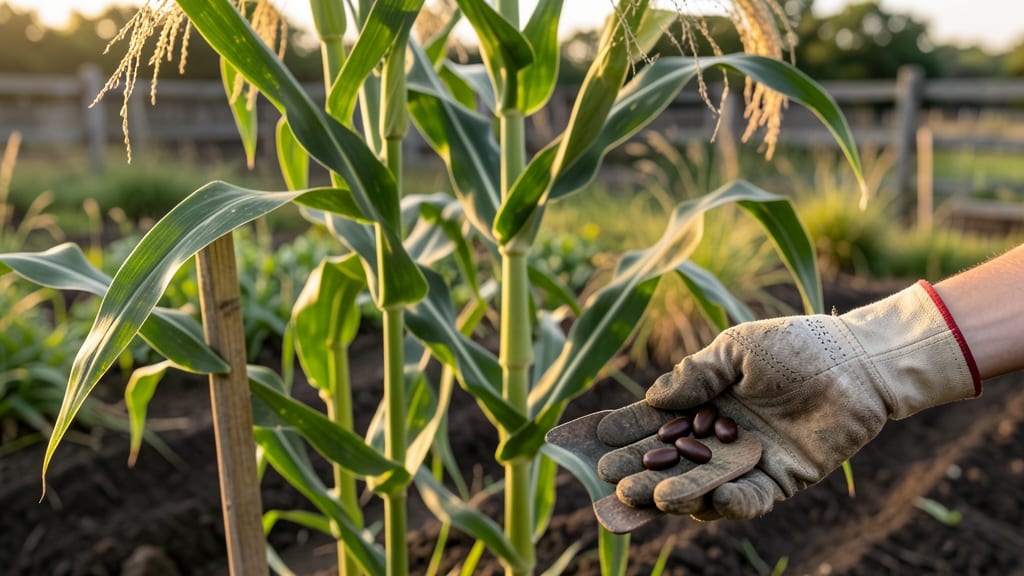
Timing your corn planting in Connecticut can mean the difference between a bumper crop of 🌽 and a disappointing harvest. Since the state’s microclimates vary dramatically—from coastal areas to inland valleys—knowing the exact frost-free window for your zone is the key to success.
Most Connecticut gardeners should aim to plant corn after the last frost date, typically between late April and early May, but soil temperature matters just as much as calendar dates.
If you’re in USDA Zone 5 or 6, wait until the ground reaches at least 50°F before sowing seeds directly.
Why does this matter? Corn thrives in warmth, and planting too early can lead to stunted growth or even failure. I’ll break down the best planting windows for your specific area, including how to adjust for late springs or early autumns that can throw off your schedule.
Ready to grow sweet, plump ears? Let’s dive into the exact planting timeline for Connecticut’s diverse growing zones, so you can enjoy a harvest from summer through fall.
Connecticut’s frost-free planting zones for corn: when to start seeds indoors vs outdoors
Corn thrives in Connecticut’s USDA Zones 5-7, but your exact planting window depends on whether you’re in coastal Fairfield County or the inland Hartford Valley.
Coastal areas like New Haven often see frost-free dates 2-3 weeks earlier than inland zones like Litchfield Hills, where colder air pools in valleys. For most of CT, aim to plant corn when soil temperatures hit 50°F+—a critical threshold for germination.
In Zone 6 (central CT), the last average frost date falls between May 10-20, while Zone 5 (northwest CT) can linger until May 25-30. Coastal Zone 7 (southeast CT) may be frost-free by April 25-May 5.
These variations mean your direct-sowing window shifts dramatically—plant too early, and frost will kill seedlings; too late, and you’ll miss the 90-110 day growing season needed for most varieties.
Here’s the key difference: Northern CT gardeners should prioritize fast-maturing varieties (60-75 days) and start seeds indoors 2-3 weeks before last frost, while coastal gardeners can often direct-sow outdoors as early as late April.
Transplanting seedlings is risky for corn—it’s a delicate operation that stresses roots—so most CT growers opt for direct sowing once soil warms.
For direct sowing, plant corn seeds 1 inch deep and 12 inches apart in rows 30-36 inches apart to ensure proper pollination. In CT’s shorter growing season, succession planting is key: stagger seeds every 2 weeks until June 15 to extend your harvest window.
This works especially well for sweet corn varieties, which mature faster than dent corn.
If you’re in Zone 5 or river valleys, consider black plastic mulch to warm soil faster and push your planting window 1-2 weeks earlier. Lay the mulch 1-2 weeks before planting to let it heat up the soil.
This trick can mean the difference between a full harvest and a failed crop in CT’s unpredictable springs.
One common mistake CT gardeners make is planting corn too close to trees, which steal sunlight and nutrients. Corn needs full sun (6+ hours daily), so choose a south-facing plot with no overhead shade.
If your yard has limited sun, opt for dwarf varieties like ‘Peaches and Cream’ (5-6 feet tall) instead of standard 8-foot varieties.
For transplanting seedlings (only recommended for late starts), harden off seedlings for 7-10 days before moving them outdoors. Dig holes twice as wide as the root ball and water deeply to reduce transplant shock. However, corn hates root
5 Critical factors that shift your corn planting timeline in Connecticut
Connecticut’s last frost dates vary dramatically—from mid-May in coastal areas to late May inland. This 2-week difference directly impacts when you should plant your corn seeds.
For example, Fairfield County gardeners can start direct sowing by April 25, while Hartford County should wait until May 10 to avoid frost damage.
Elevation plays a surprising role too. Areas like Litchfield Hills (1,000+ ft) experience cooler soil temperatures that delay planting by 10-14 days compared to river valleys like the Connecticut River basin. Use a soil thermometer—corn seeds need 50°F+ soil to germinate reliably.
Your chosen corn variety drastically affects timing. Sweet corn like ‘Silver Queen’ (65-70 days) needs to be planted 3 weeks earlier than dent corn varieties (90+ days). Pro tip: Use biodiverse seed mixes to stagger maturity—plant early, mid, and late varieties to extend your harvest window by 4-6 weeks.
Wind exposure matters more than you’d think. Coastal areas (like Groton or New London) experience stronger winds that dry soil faster, requiring earlier planting to maintain moisture.
Inland gardens can wait 5-7 days longer because humidity retention is higher. Always plant in sheltered spots or use windbreaks for taller varieties.
If spring arrives late (like in 2018 or 2020), don’t panic—opt for fast-maturing varieties (60-70 days) and use row covers to protect seedlings. For every 5°F below average, delay planting by 3-5 days. Check the CT Agricultural Experiment Station for real-time growing degree day updates.
Finally, soil drainage can shift your timeline by 10 days. Heavy clay soils stay cold longer, while sandy loams warm up faster. Amend clay with compost and perlite to improve warmth retention. Test your soil’s organic matter content—aim for 5%+ to help seeds germinate faster in cooler conditions.