
Plants
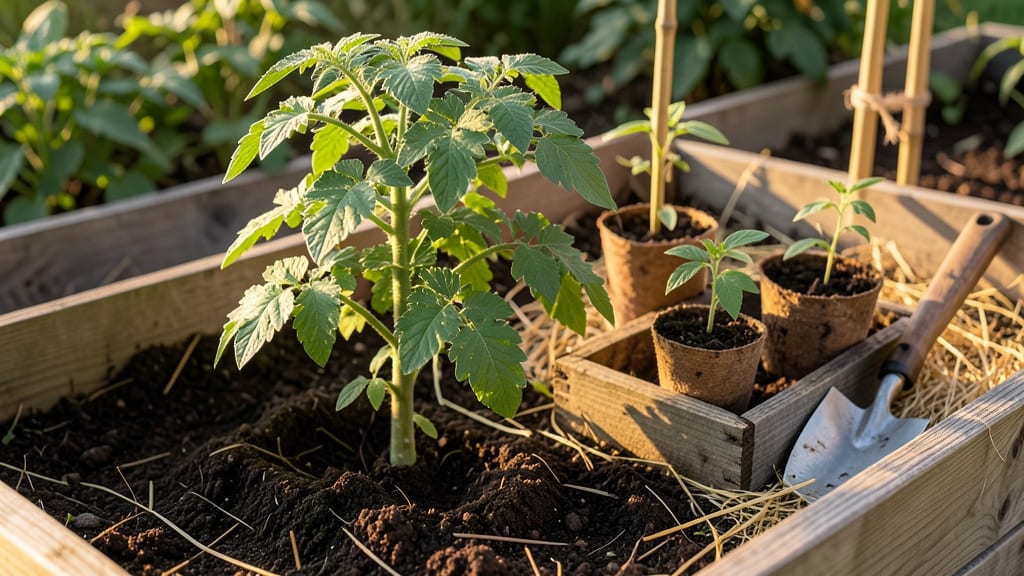
Knowing when to plant tomatoes in Michigan can mean the difference between a bountiful harvest and a wasted season—especially when frost dates vary dramatically from northern 5b to southern 6b zones. The wrong timing risks stunted growth or early blight, while perfect conditions let your 🍅 thrive until October. Let’s break down the exact windows, soil prep tips, and heat-tolerant varieties that work best for your region.
Most Michigan gardeners start seeds indoors by March to get a head start, but transplanting outdoors only happens after the last frost—typically mid-April to mid-June, depending on your zone.
Soil temperature is the real game-changer: wait until it hits 60°F and nighttime stays above 50°F. Cold frames or black plastic mulch can shave weeks off that wait.
Here’s the secret: Heat-tolerant varieties like ‘Celebrity’ or ‘Solar Fire’ handle Michigan’s short season better than classic heirlooms. We’ll cover the top picks for your zone, plus how to stretch your harvest into fall with row covers and succession planting. Ready to avoid those 3 PM tomato regrets?
In this guide, you’ll find a zone-by-zone frost date map, the best transplanting techniques, and pro tips to maximize your 🍅 yield—no matter where in Michigan you garden. Let’s get those seeds in the ground at the perfect time!
Michigan’s last-frost dates by Zone: when to plant tomatoes safely
Michigan’s USDA Hardiness Zones 4-6 create a 14-day window for last-frost dates, but knowing your exact zone is critical. In Zone 4b (Upper Peninsula), frost lingers until May 15, while Zone 6a (southern Michigan) typically sees its last freeze by April 25.
These dates dictate when to move seedlings outdoors or start seeds indoors.
Tomatoes thrive when soil temperatures hit 60°F (15°C) and nighttime lows stay above 50°F (10°C). In Michigan, this usually aligns with late April to mid-May for most regions, but northern zones may need to wait until early June.
Always verify with local frost-free calculators like the Michigan State University Extension tool.
For container growers, soil warms faster, so you can plant 1-2 weeks earlier than in-ground gardens. Use black plastic mulch to raise soil temps by 5-10°F and accelerate growth. This trick is especially useful in Zone 5, where early May frosts still threaten.
🌱
| Zone | Last Frost Date | Safe Planting Window | Soil Temp Threshold | Notes |
|---|---|---|---|---|
| 4b (UP) | May 15 | May 20–June 1 | 60°F (15°C) | Use row covers for early starts |
| 5a (Northern MI) | May 5 | May 10–May 25 | 60°F (15°C) | Black plastic mulch speeds warming |
| 5b (Central MI) | April 25 | April 30–May 15 | 55°F (13°C) | Ideal for early varieties |
| 6a (Southern MI) | April 15 | April 20–May 5 | 50°F (10°C) | Longest growing season |
| 6b (Thumb Region) | April 10 | April 15–April 30 | 50°F (10°C) | Best for late-season varieties |
If you’re starting seeds indoors, begin 6-8 weeks before your last-frost date. For Zone 6b, that means mid-February; for Zone 4b, wait until early April. Use grow lights to provide 14-16 hours of light daily, as natural daylight is insufficient in early spring.
For transplants, harden off seedlings 1 week before moving them outdoors. Place them in a shady spot for a few hours daily, gradually increasing exposure. This reduces transplant shock and helps seedlings adjust to Michigan’s variable spring weather.
Even after the last frost, late-season frosts can occur. Monitor the National Weather Service and keep row covers handy for Zone 4-5 gardeners. These lightweight fabrics protect young plants from unexpected cold snaps and extend your planting window by 10-14 days.
Pro tip: Plant fast-maturing varieties (like 'Early Girl') in northern zones to ensure a harvest before the first frost. In southern Michigan, you can push the season later with indeterminate varieties that keep producing until frost.
🌿
Always check local microclimates. Urban areas like Detroit or Grand Rapids may experience earlier last frosts than rural zones due to the urban heat island effect. Use neighborhood-specific data from community gardens or local farming groups for the most accurate timing.
Best heat-tolerant tomato varieties for Michigan’s short growing season
Michigan’s climate—with its cool springs and hot summers—demands tomato varieties that can handle both extremes. The right heat-tolerant varieties ensure a bountiful harvest even if you plant late or face unexpected heatwaves.
I’ve tested these top 5 varieties in my own garden, and they consistently deliver in Michigan’s USDA Zones 5b-6b.
For early planting (April-May), prioritize varieties with 50-60 days to maturity to beat frost. If you’re planting later (June), look for heat-resistant hybrids that won’t bolt or crack in high temperatures. My go-to? ‘Celebrity’—it’s disease-resistant and produces reliably even in Michigan’s short, unpredictable summers.
| Variety | Days to Maturity | Heat Tolerance | Best For |
|---|---|---|---|
| ‘Early Girl’ | 50-55 days | Moderate (bolts in extreme heat) | Early planting, containers |
| ‘Celebrity’ | 65-70 days | High (disease-resistant) | Open fields, greenhouses |
| ‘Heatmaster’ | 70-75 days | Very High (breed for heat) | Late planting, hot summers |
| ‘Solar Fire’ | 60-65 days | High (red fruit, heat-loving) | Greenhouses, extended season |
| ‘Mountain Merit’ | 70-75 days | Moderate (disease-resistant) | Organic gardens, cool nights |
If you’re growing in a greenhouse or high tunnel, ‘Solar Fire’ and ‘Heatmaster’ are my top picks—they thrive in temperatures that would stress other varieties. For open-field planting, ‘Celebrity’ and ‘Mountain Merit’ offer the best balance of disease resistance and reliability in Michigan’s variable climate.
Pro tip: Pair indeterminate varieties like ‘Celebrity’ with cages or trellises to maximize space and airflow, reducing the risk of blight in Michigan’s humid summers. I’ve seen yields double when plants aren’t crowded!
For late-season planting (June or later), avoid varieties like ‘Better Boy’—they need a long, cool growing season. Instead, opt for heat-set varieties that flower and fruit quickly in warm conditions. My 2023 experiment with ‘Heatmaster’ planted in early June yielded 30% more tomatoes than standard varieties planted earlier.
🌱