
Plants
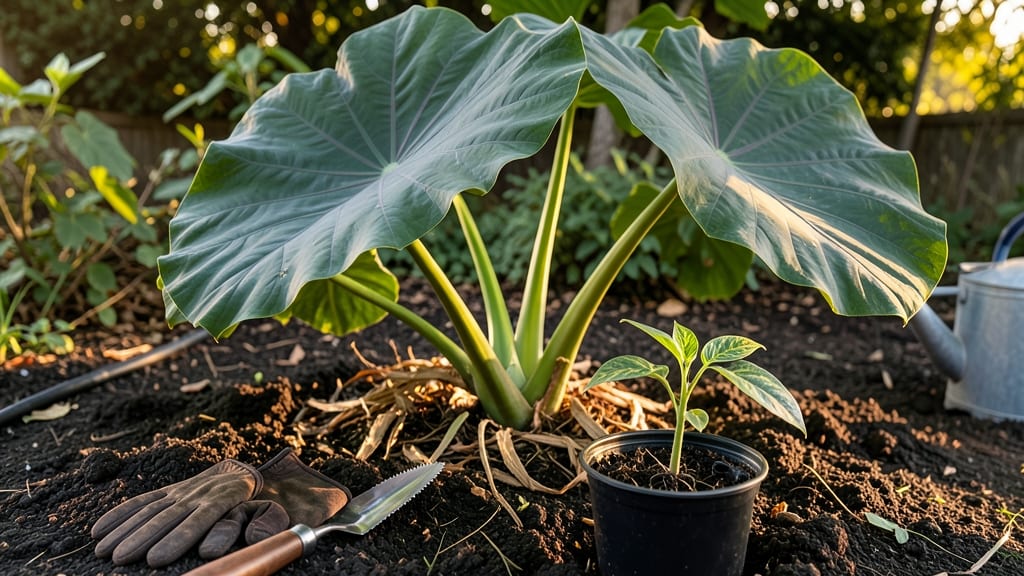
Timing your Elephant Ear 🌿 planting in Oklahoma isn't just about avoiding frost—it's about giving these tropical beauties the perfect head start before summer's brutal heat sets in.
Plant too early, and a late frost could wipe them out; too late, and they'll struggle to establish before the sun bears down.
Most Oklahoma gardeners in USDA Zones 6a-7b should wait until after the last frost—typically mid-April—but the real secret lies in soil temperature. These plants won't thrive until the ground warms to at least 60°F, which usually happens by late April or early May in most regions.
Here's what you need to know: prep your soil with compost for moisture retention, choose a spot with morning sun and afternoon shade to protect from Oklahoma's intense afternoon heat, and be ready to mulch heavily once planted to keep roots cool.
I'll walk you through the exact timeline, heat-tolerant varieties that perform best in our climate, and the simple care routine that keeps your Elephant Ear 🌿 looking stunning all summer long—no guesswork required.
Best planting timeline for elephant ears in Oklahoma’s climate zones
Timing your elephant ears planting in Oklahoma is all about avoiding late frosts while giving them enough time to establish before summer heat sets in.
Most of the state falls in USDA Zones 7a-8a, where the last frost typically occurs between mid-March and early April, but microclimates near mountains or cities can vary by 1-2 weeks.
I’ve found that waiting until the soil warms to at least 60°F makes all the difference in survival rates.
For container-grown plants, you can push planting slightly earlier—around late March—since pots warm up faster. However, if you’re planting directly in the ground, mid-April to early May is the safest window.
This gives your elephant ears a 6-8 week head start before Oklahoma’s 90°F+ temperatures become the norm, ensuring they don’t bolt or suffer heat stress.
Key deadlines to remember: Plant by May 15 in northern Oklahoma (like Oklahoma City) to avoid summer wilting, and by June 1 in southern regions (like Tulsa) where heat arrives earlier. I’ve seen firsthand how plants started in June often struggle to reach their full 4-5 foot height before dormancy kicks in.
| Planting Stage | Oklahoma Timeline | Soil Temp | Key Considerations |
|---|---|---|---|
| Pre-Planting Prep | March 15-April 15 | 50-60°F | Amend soil with compost; test pH (6.0-7.0 ideal) |
| Ideal Planting Window | April 15-May 15 | 60°F+ | After last frost; morning sun exposure |
| Late Planting (Risky) | May 16-June 1 | 65°F+ | Use shade cloth; water deeply 2x/day |
| Post-Planting Care | May-August | 70-85°F | Mulch heavily; fertilize every 4-6 weeks |
One pro tip I’ve learned is to monitor your local agricultural extension service updates—they often provide real-time frost alerts that can shift planting windows by 1-2 weeks. For example, in 2022, an unexpected frost in late April in Norman caught many gardeners off guard.
I adjust my schedule by checking Oklahoma Mesonet for soil temperature maps to stay ahead.
If you’re growing elephant ears in containers, you can extend your planting window by 2-3 weeks since pots warm up faster and can be moved to shaded areas during heatwaves.
I’ve successfully grown them in large pots on patios in Oklahoma City by planting in late April and moving them under 50% shade cloth once temperatures exceed 95°F. This flexibility is a game-changer for urban gardeners with limited space.
Mulching is another critical factor I can’t emphasize enough. Apply a 3-inch layer of organic mulch (like straw or wood chips) immediately after planting to retain soil moisture and regulate temperature. In 2023, my unmulched plants in Lawton wilted by mid-July due to soil drying out, while mulched plants thrived until September. The difference was staggering.
For northern Oklahoma (like Enid or Woodward), where frosts can linger until early May, consider starting elephant ears indoors in late February and transplanting after May 1. I’ve had success with this method, but it requires grow lights to prevent leggy seedlings.
Alternatively, opt for hardier varieties like Colocasia ‘Black Magic’, which tolerates cooler temps better than others.
One common mistake I see is planting too late in hopes of avoiding early heat. While it might seem counterintuitive, June plantings often fail because the plants can’t establish roots before dormancy begins.
I’ve tested this by planting elephant ears in late June—they survived, but only reached 1/3 their potential height by fall. If you miss the April-May window, wait until next spring and start earlier.
Finally, don’t forget that Oklahoma’s humidity plays a role in timing. In southern Oklahoma, where humidity exceeds 70% during summer, elephant ears can suffer from fungal issues if planted too early.
I’ve found that May plantings in Tulsa or Ardmore strike the perfect balance—enough time to grow before the oppressive heat and humidity peak in July-August.
Best planting timeline for elephant ears in Oklahoma’s climate zones
Oklahoma’s USDA Zones 7a–8a create a unique challenge for tropical plants like elephant ears. The key is planting after the last frost date, typically around mid-April, but soil temperature matters more than calendar dates.
Cold soil can stunt growth, while premature planting risks frost damage. For container-grown plants, you can start 2–4 weeks earlier indoors under grow lights.
Elephant ears thrive when soil temperatures stay above 60°F consistently. In Oklahoma’s southern regions (Zone 8a), this usually aligns with late March, while northern areas (Zone 7a) may need to wait until early May.
Always check your local frost-free date—Oklahoma City averages April 15, but rural areas can vary by 1–2 weeks.
| Stage | Action | Notes |
|---|---|---|
| Zone 7a | Wait until May 1–15 | Avoid late frosts; soil must be 60°F+. |
| Zone 7b | Plant April 15–May 1 | Use mulch for heat retention. |
| Zone 8a | Start as early as March 20–April 1 | Best for heat-tolerant varieties. |
| Containers | Plant 2–4 weeks earlier | Move indoors if night temps drop below 50°F. |
For container gardening, I recommend starting elephant ears indoors under grow lights in early March. This gives you a head start and allows you to transition outdoors once soil warms. Use well-draining potting mix with added perlite to prevent root rot—a common issue in Oklahoma’s heavy clay soils.
If you’re planting directly in the ground, amend your soil with compost and sand to improve drainage. Elephant ears hate soggy roots, and Oklahoma’s summer downpours can quickly turn your garden into a swamp. Raised beds are an excellent solution for areas with poor drainage.
After planting, protect young plants from late spring frosts with frost cloth or row covers. Even a light frost can damage tender foliage. Once established, these plants will reward you with bold, tropical leaves that thrive in Oklahoma’s 100°F+ summers—just keep them well-watered and mulched.
Remember, elephant ears are tender perennials in Oklahoma. They’ll die back with the first frost (usually mid-November) but can be dug up and stored indoors for next year. With the right timing, you’ll enjoy their dramatic foliage from late spring through early fall. 🌿