
Plants
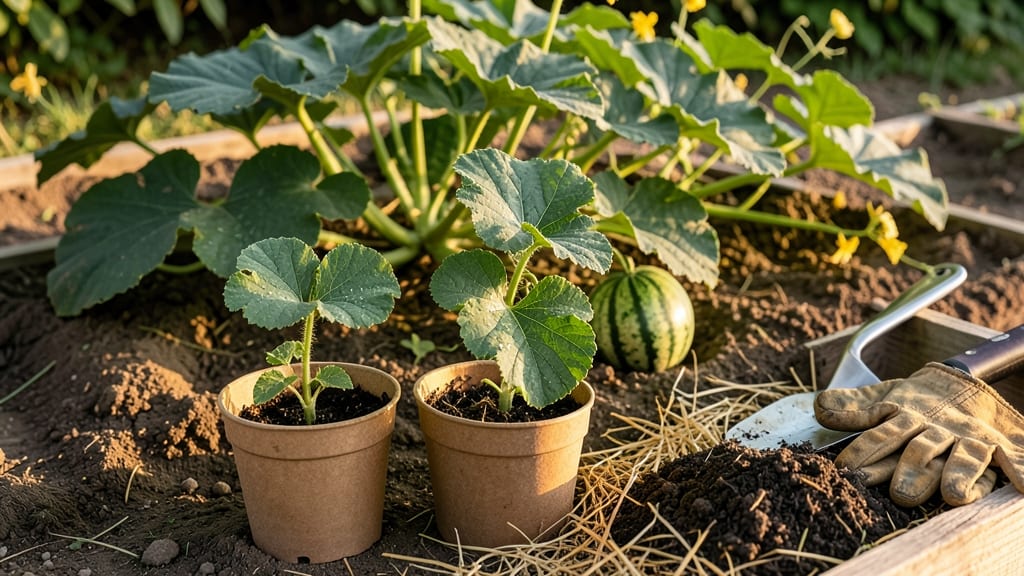
Timing your watermelon planting in Texas can mean the difference between a bountiful harvest and wasted effort—because those vines need just the right conditions to thrive.
The Lone Star State's varied climate means what works in the Panhandle won't cut it in South Texas, and getting those seeds in the ground too early or late spells disaster for your 🌱 melon dreams.
Most Texas gardeners swear by planting after the last frost date, but there's more to it than just waiting for warm air. Soil temperature matters just as much—watermelons demand earth that's at least 70°F before they'll even think about sprouting.
That means North Texas gardeners might need to wait until early May, while South Texas can start as early as late March.
Here's the game-changer: understanding your local microclimate can shave weeks off your waiting game. Some areas get false starts with early warmth, while others face unexpected late frosts. I'll show you exactly how to read your region's patterns and adjust your planting schedule for maximum success.
Whether you're a first-time melon grower or a seasoned Texas gardener looking to boost your yield, these insights will help you avoid common mistakes and get those sweet, juicy fruits hitting your table sooner than you think.
Texas watermelon planting calendar: exact start dates by region
Timing your watermelon planting in Texas hinges on two critical factors: soil temperature and frost-free dates. Unlike cooler climates, Texas gardeners must wait until the ground reaches 70°F+—any earlier, and your seeds will rot or sprout too slowly. Here’s how to nail the perfect window for your region.
Texas spans three distinct growing zones, each with its own last frost dates. North Texas (e.g., Dallas-Fort Worth) typically has a March 15 average last frost, while Central Texas (Austin-San Antonio) sees frost-free skies by February 15.
South Texas (Houston, Corpus Christi) can plant as early as January 15 in microclimates. But don’t rush—wait for consistent 70°F+ soil temps.
For direct sowing (planting seeds outside), aim for April 15–May 1 in North Texas, March 15–April 15 in Central Texas, and February 15–March 15 in South Texas. If you’re using transplants (seedlings), start 4–6 weeks earlier indoors to avoid transplant shock when moving them out.
Pro tip: Use a soil thermometer to confirm readiness. Watermelons thrive in warm soil, and cold roots stunt growth. If temps dip below 60°F, wait another week—your patience will pay off with bigger, sweeter fruit.
🌱 Key Takeaway: Plant too early, and your melons bolt (flower prematurely). Too late, and summer’s brutal heat reduces yields. Balance is everything.
| Region | Avg. Last Frost | Optimal Planting Window | Soil Temp Threshold | Notes |
|---|---|---|---|---|
| North Texas (Dallas, Lubbock) | March 15 | April 15–May 1 | 70°F+ | Use black plastic mulch to warm soil faster. |
| Central Texas (Austin, San Antonio) | February 15 | March 15–April 15 | 70°F+ | Extend season with shade cloth in peak summer. |
| South Texas (Houston, Corpus Christi) | January 15 (microclimates) | February 15–March 15 | 65°F+ (earlier start) | Watch for humidity stress—mulch heavily. |
| West Texas (El Paso, Midland) | March 1 (high desert) | April 15–May 1 | 75°F+ (drier climate) | Irrigate deeply 2x/week to prevent cracking. |
For fall harvests, Texas gardeners can try a second planting in late summer (August–September) if your area has mild winters. Seed packets often note days to maturity—choose varieties that mature before the first frost (e.g., 70–75 days for early fall plantings).
South Texas may even squeeze in a third harvest with heat-tolerant varieties.
One critical mistake? Ignoring microclimates. A south-facing slope warms up faster than a shaded low spot. Test your soil in multiple areas—even within the same yard—before committing to a planting date. A 5°F difference can mean the difference between success and failure.
Need a backup plan? Starter plants from local nurseries (like Heirloom Seeds or Native American Seed) give you a head start. Just harden them off for 7–10 days before transplanting after your last frost date.
Finally, mark your calendar for July 4th—it’s the unofficial start of watermelon season in Texas! But don’t wait until then to prep your soil. Amend with compost and a balanced fertilizer (5-10-10) 2 weeks before planting to give your vines the nutrients they crave.
Ready to dig in? Grab your soil thermometer, check your region’s frost dates, and plant when the stars (and soil) align. Your future watermelon slices will thank you.
Texas watermelon planting calendar: exact start dates by region
Texas’s vast geography means your watermelon planting window shifts dramatically from North Texas to South Texas. The key? Soil temperature—watermelons need 70°F+ soil to germinate. In North Texas (Zones 7-8), wait until late April to early May after the last frost date (typically March 15).
For Central Texas (Zones 8-9), you can start as early as mid-March, but April 15 is the safest bet. South Texas (Zones 9-10) gardeners enjoy a longer season—plant February to March for summer harvests or July-August for fall melons before cooler weather arrives.
Pro tip: Use a soil thermometer to confirm readiness. Black plastic mulch can warm soil 5-10°F faster in cooler regions, giving you an earlier start. For container growing, wait until May 1—pots heat up slower and risk root rot in cooler soil.
If you’re in East Texas, humidity can slow germination. Direct sow seeds after May 10 to avoid fungal issues. West Texas gardeners? Plant March 15-April 1 and prioritize drip irrigation to conserve water during scorching summers.
For a second harvest, try a July-August planting in South/Central Texas. Choose shorter-season varieties (like Sugar Baby) to beat fall frosts. Just remember: 90°F+ soil can scorch seeds—always plant in evening shade and water deeply afterward.
Timing isn’t just about dates—it’s about microclimates. A south-facing slope warms faster than a north-facing valley. Use these regional guidelines as a starting point, then adjust based on your yard’s unique conditions. 🌱