
Plants
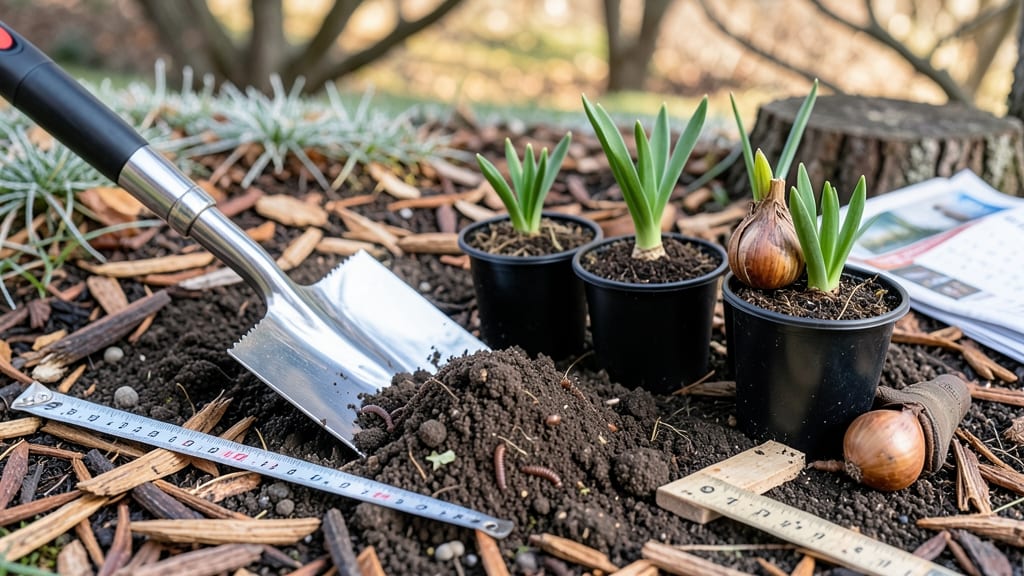
Planting your potted tulips in the ground at the wrong time can mean floppy stems and no spring blooms—even if you’ve waited all winter for those vibrant colors. The key to success lies in understanding your local chill-hour requirements, which vary dramatically depending on where you live.
Most gardeners in Zone 6a (like me!) know fall planting is ideal, but timing matters even more for potted tulips. Planting too early can trigger bolting, while waiting too long risks weak roots before winter sets in.
Let’s break down exactly when to transition those containers to the ground for foolproof results.
You’ll learn how to check your region’s chill-hour totals, adjust for early or late planting scenarios, and even salvage blooms if you miss the window. Whether you’re a first-time gardener or a seasoned pro, these insights will help you avoid common mistakes and enjoy next year’s showstopper flowers.
The best part? With the right approach, your potted tulips can thrive in the ground with minimal fuss. Let’s get those bulbs planted at the perfect moment so you’re not left with disappointed stems come spring.
Chill-hour requirements for potted tulips before planting
Tulips are chill-hour champions, needing 3,000–5,000 hours below 45°F to bloom properly. Without this cold stratification, they’ll bolt—sending up weak stems with no flowers. Think of it like a winter nap that primes them for spring’s big show.
Most potted tulips arrive pre-chilled, but if you’ve had them indoors for months, they might need extra cold exposure. Track local chill hours using your USDA Hardiness Zone—Zone 5+ areas usually get enough natural cold, while Zones 7–10 may need artificial chilling.
Here’s the critical rule: Plant potted tulips 4–6 weeks before your first hard frost. This gives roots time to establish before winter sets in. For example, in Zone 6, aim for late September to early October.
If you’re unsure about your chill hours, check the USDA Plant Hardiness Zone Map or use a local weather station app to monitor temperatures. Urban areas can be 5–10°F warmer than rural zones, so adjust timing accordingly.
⚠️ WARNING: Planting too early (like in late summer) risks premature blooming—those tulips will flop over before winter. Planting too late (after November) may leave bulbs vulnerable to freeze-thaw cycles, stunting growth.
| Chill-Hour Need | Zone Examples | Risk of Bolting | Planting Window |
|---|---|---|---|
| 3,000–4,000 hrs | Zones 7–9 (e.g., Atlanta, LA) | High if planted too early | Oct–Nov (after last 50°F night) |
| 4,000–5,000 hrs | Zones 4–6 (e.g., Chicago, Denver) | Moderate if late frost delays | Sept–early Oct |
| 5,000+ hrs | Zones 3–5 (e.g., Minneapolis, NYC) | Low (natural chill sufficient) | Aug–Sept (6 weeks before frost) |
🌱 Pro Tip: Use a thermometer buried in soil to track chill hours accurately.
For Zone 10+ gardeners, where winters are mild, you’ll need to artificially chill bulbs for 8–12 weeks at 35–45°F before planting. Store potted tulips in a garage or unheated shed with a cooling unit if needed.
Once you’ve nailed the chill-hour window, focus on soil prep: Tulips hate soggy roots. Amend heavy clay with compost or sand to improve drainage. A well-draining spot prevents rot and ensures bulbs stay happy through winter.
After planting, mulch with 2–3 inches of straw to insulate roots and retain moisture. This is especially critical in Zone 6 and colder, where temperature swings can stress new plantings.
Remember: Patience is key. Tulips won’t bloom until they’ve satisfied their chill-hour requirement. If you rush, you’ll end up with leafy stems but no flowers—a gardener’s worst nightmare. 🌷
Best planting times by US hardiness Zones (with local adjustments)
Timing matters more than you think when planting potted tulips. The USDA hardiness zone where you live dictates your ideal planting window. In Zones 3–5, aim for 6–8 weeks before the first hard frost—typically September to early October.
For Zones 6–8, late fall planting (November) works, while Zones 9–10 can plant in early spring (February–March) to avoid summer heat stress.
Microclimates throw a wrench into the plan. Urban areas with heat islands may need earlier planting, while high-altitude gardens (like Denver) can plant 2–4 weeks later. Always check your last frost date—planting too early risks premature blooming, and too late means weak roots before winter.
Here’s how to adjust for your local conditions:
- Zones 3–5: Plant September–October (4–6 weeks before frost). Use mulch (3–4 inches) to protect bulbs in winter.
- Zones 6–8: Late fall (November) or early spring (March). Avoid planting in hot summers—tulips need dormancy.
- Zones 9–10: Plant in February–March to escape summer heat. Water deeply weekly to prevent stress.
- High Altitude (e.g., 5,000+ ft): Delay planting by 2–4 weeks—cooler temps mean slower chill-hour accumulation.
- Urban Heat Islands: Plant 4–6 weeks earlier than zone guidelines. Test soil temp—below 60°F is ideal.
Pro tip: Use a soil thermometer to confirm 60–65°F soil temps before planting. If temps are higher, wait 1–2 weeks. Overheated soil can trigger bolting, ruining your blooms.
For gardeners in transition zones (e.g., Zone 7b/8a), split your planting: 20% in fall and 80% in early spring to hedge against unpredictable weather. This two-phase approach ensures at least some tulips bloom reliably.
Always plant potted tulips in well-draining soil—amend heavy clay with compost or sand to prevent rot. After planting, water deeply to settle the soil, but avoid soggy conditions. Mulch with straw or shredded leaves to retain moisture and regulate temps.