
Flowers
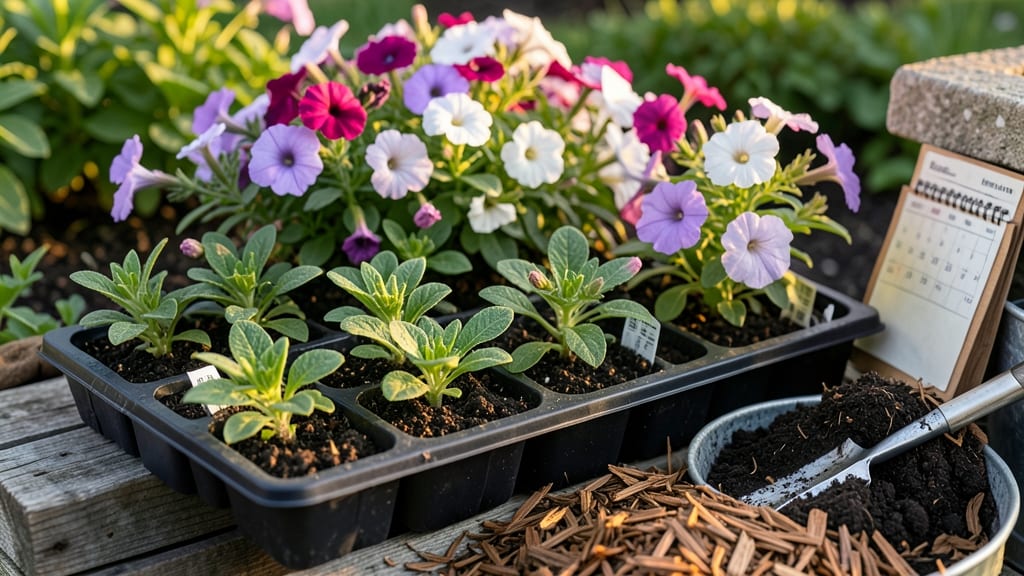
Michigan’s last-frost dates by USDA hardiness Zone (2024 guide)
Michigan spans USDA Zones 4a to 6b, meaning your last-frost dates can vary by 3+ weeks from the Upper Peninsula to Detroit.
In Zone 4a (e.g., Marquette), frost lingers until May 15–June 1, while Zone 6b (e.g., Ann Arbor) typically sees its final frost by April 20–May 5. These dates are critical for tender annuals like impatiens and marigolds, which can’t survive even light frosts.
For perennials and cold-hardy flowers (e.g., coneflowers, black-eyed Susans), you can plant as early as late March in Zone 6b—but wait until mid-May in Zone 4a. The key is matching your plant’s hardiness to your zone’s historical frost data, not just the calendar.
🌱
| Zone | Avg. Last Frost | Safe Planting Window | Best Early Flowers |
|---|---|---|---|
| 4a (e.g., Marquette) | May 15–June 1 | June 1–June 15 | Pansies, Snapdragons, Sweet William |
| 5a (e.g., Traverse City) | May 1–May 15 | May 15–May 30 | Tulips, Daffodils, Peonies |
| 5b (e.g., Grand Rapids) | April 25–May 10 | May 1–May 15 | Marigolds, Zinnias, Cosmos |
| 6a (e.g., Lansing) | April 15–April 30 | April 30–May 10 | Petunias, Geraniums, Begonias |
| 6b (e.g., Ann Arbor) | April 10–April 20 | April 20–April 30 | Impatiens, Coleus, Vinca |
Use these dates as a starting point, but check your local Almanac’s frost calendar or use a frost clock app for real-time updates. Microclimates—like south-facing slopes or urban heat islands—can push last frosts 1–2 weeks earlier in cities like Detroit or Grand Rapids.
For tender annuals, wait until nighttime temps stay above 50°F for 3–5 days. A frost cloth can extend your window by 2–3 weeks for heat-lovers like begonias or geraniums. In Zone 4a, consider starting these indoors in March for a head start.
🌿
Perennials like coneflowers or daylilies can handle light frosts after planting, but avoid hard freezes (below 25°F). If you’re in Zone 5 or colder, plant spring-blooming bulbs (tulips, daffodils) in fall—they’ll establish roots before winter and bloom earlier.
Pro tip: Test your soil temperature with a soil thermometer—most flowers need 50–60°F soil to thrive. Cold soil can stunt growth or cause root rot in moisture-loving plants like petunias.
☀️
How to adjust planting timing for Michigan’s unpredictable weather
Michigan’s spring frost dates can shift by weeks—sometimes even overnight—thanks to lake-effect winds and late cold snaps. Zone 5b gardeners in northern Michigan might see frost as late as May 15, while Zone 6b areas near Detroit could be frost-free by April 20.
The key? Flexible timing and protective strategies tailored to your microclimate. If you’re in the Upper Peninsula, add a 3-week buffer to standard dates, while southern Michigan gardeners can push early plantings slightly sooner.
For tender annuals like impatiens or geraniums, wait until the soil temperature hits 50°F—not just the air temperature. Use a soil thermometer to check, especially in shaded beds where cold lingers. Cold-hardy perennials like coneflowers or black-eyed Susans, however, can handle 32°F soil temps once established.
The trick is knowing which category your flowers fall into and adjusting accordingly.
🌱Pro Tip: If you’re itching to plant early, use row covers or cold frames to create a 5–10°F warmer microclimate. These simple tools can shave 2–3 weeks off your planting timeline without risking frost damage.
For example, I’ve successfully planted pansies in early April under a lightweight frost cloth in Zone 5b, giving me blooms a month earlier than neighbors who waited!
📌 5 Proven Strategies for Michigan’s Unpredictable Weather
- 📅 Use a 2-Week Buffer for high-risk zones (e.g., Upper Peninsula): Wait until May 1 for tender annuals, even if frost dates suggest earlier.
- 🌡️ Monitor Soil, Not Air Temp: Soil stays colder longer—aim for 50°F+ before planting heat-lovers like marigolds or petunias.
- 🛡️ Protect with Frost Cloth: Extends planting window by 3–4 weeks for cold-sensitive flowers like impatiens or begonias.
- 🌱 Start Hardy Perennials Early: Pansies, snapdragons, and calendulas tolerate light frost—plant them 4–6 weeks before last frost.
- ☀️ Warm Soil with Black Plastic: Lay down black landscape fabric 1–2 weeks before planting to raise soil temps by 10°F+.
Another game-changer? Succession planting. Instead of betting everything on one planting window, stagger your annual flowers every 2 weeks from late April through June. This ensures continuous blooms and minimizes losses if an unexpected frost hits.
For example, I plant cosmos seeds directly in the ground in three batches: May 1, May 15, and June 1. By July, my garden is a nonstop pink-and-white explosion!
Don’t overlook fall planting either—it’s a secret weapon for Michigan gardeners. Cold-hardy annuals like pansies and snapdragons thrive when sown in late August to early September.
They’ll bloom all winter long, even under snow, and often outperform spring-planted varieties. Perennials like asters also benefit from a late-summer transplant, as cooler temps reduce transplant shock.
Finally, keep a garden journal to track your local frost dates and adjustments. Over time, you’ll spot patterns—like how lake-effect winds delay frost in Traverse City by a week or how urban heat islands in Detroit warm soil faster.
Last year, my Zone 5b garden saw its last frost on May 8, a full 10 days earlier than the USDA average. Armed with this data, I planted geraniums on May 5 and avoided frost damage entirely. Your garden’s data will become your secret sauce! 🌿