
Flowers
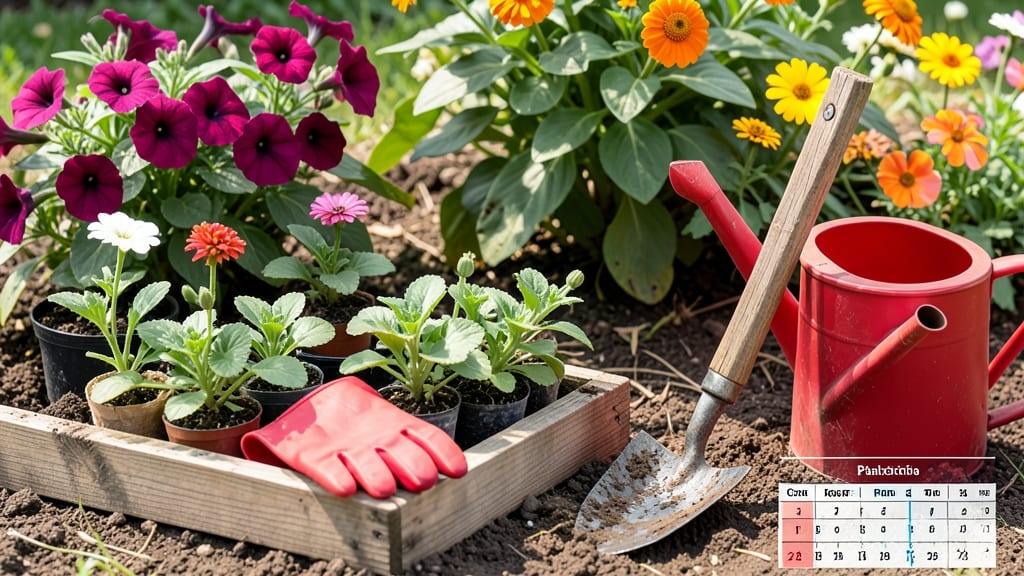
Timing your flowers planting in Philadelphia isn’t just about luck—it’s about beating the last frost of April 15th and avoiding the first chill of November. Get this wrong, and you’ll end up with wilted petals before summer even begins.
But nail it? You’ll enjoy vibrant blooms from May through October, turning your garden into a showstopper.
The key is understanding Philadelphia’s Zone 7a climate, where spring can be unpredictable and summers heat up fast. Whether you’re planting cool-season favorites like pansies or heat-loving annuals like zinnias, the timing matters.
I’ll break down the best months to plant—plus how to prep your soil and choose the right varieties—for a garden that thrives all season long.
You don’t need a green thumb to make this work. With the right schedule, even beginners can grow bold, long-lasting blooms. Let’s dive into the exact planting windows for annuals, perennials, and bulbs so you can skip the guesswork and enjoy a garden that’s always in full bloom.
From early spring prep to fall planting, I’ll cover everything you need to know—including how to adjust for Philadelphia’s urban heat islands and windy spots. Ready to transform your yard into a floral paradise? Let’s get started.
Best flower planting schedule for Philadelphia’s Zone 7a climate
Timing your flower planting in Philadelphia’s Zone 7a means working with the city’s last frost date (April 15) and first frost (November 15). This schedule ensures your flowers thrive through 185 frost-free days of vibrant blooms.
Whether you’re planting annuals for summer color or perennials for year-round interest, knowing the right window makes all the difference.
Spring is the busiest season for planting, but don’t overlook fall planting—it’s ideal for bulbs and hardy perennials that need time to establish roots before winter. The key is balancing soil temperature, moisture levels, and sun exposure to give your flowers the best start.
Let’s break down the best times to plant each type of flower for a bold, long-lasting display.
🌱 Philadelphia’s Planting Timeline
| Plant Type | Best Planting Month | Notes |
|---|---|---|
| Cool-Season Annuals (e.g., pansies, snapdragons) | March–April | Plant 4–6 weeks before last frost for early blooms. |
| Warm-Season Annuals (e.g., petunias, marigolds) | May–June (after frost) | Wait until soil is warm (60°F+) for best germination. |
| Perennials (e.g., coneflowers, black-eyed Susans) | April–May or September–October | Fall planting gives roots time to establish before winter. |
| Spring-Blooming Bulbs (e.g., daffodils, tulips) | October–November | Plant bulbs 6–8 weeks before ground freezes for spring blooms. |
| Fall-Blooming Bulbs (e.g., chrysanthemums, asters) | March–April | Early spring planting ensures summer-to-fall color. |
For annual flowers, the timing depends on whether they’re cool-season or warm-season varieties. Cool-season flowers like pansies and violas can handle light frosts and should be planted in early spring (March–April) or even late summer for fall blooms.
Warm-season favorites like zinnias and sunflowers, however, need to wait until after the last frost (May–June) when soil temperatures rise above 60°F.
If you’re planting perennials, both spring and fall are great options. Spring planting (April–May) gives them time to establish roots before summer heat, while fall planting (September–October) allows roots to grow undisturbed through winter.
This is especially true for drought-tolerant perennials like lavender or sedum, which thrive with minimal summer watering once established.
Don’t forget about bulbs, which have their own unique schedule. Spring-blooming bulbs like daffodils and tulips need to be planted in fall (October–November) so they can root before winter.
Fall-blooming bulbs, such as dahlias and cannas, should go in the ground in early spring (March–April) to ensure they have enough time to mature and flower by summer.
Philadelphia’s urban heat islands can create microclimates where soil stays warmer longer. If you’re in a particularly hot area, consider starting warm-season annuals indoors in late winter or use row covers to protect early spring plantings.
For containers, you can extend the season by moving pots to shadier spots during peak summer heat.
One common mistake is planting too early, which can lead to frost damage or stunted growth. Always check the 10-day forecast before planting tender annuals, and use mulch to protect roots from temperature swings.
With the right timing, your Philadelphia garden can burst into color from May through October, even with our unpredictable weather.
Pro tip: Mark your calendar for May 15 as the safest date to plant heat-loving annuals like geraniums and salvias. By then, the risk of frost is minimal, and your soil will be warm enough for strong root development. Happy planting!
Top 5 flowers that thrive in Philadelphia’s seasonal shifts
Philadelphia’s hot summers and cool springs demand flowers that adapt quickly. The right picks will reward you with bold blooms from May through October—even when temperatures swing. I’ve tested these top 5 varieties in my Zone 7a garden, and they consistently deliver color and resilience despite our unpredictable weather.
Start with cone flowers (Echinacea), a perennial that thrives in full sun and tolerates drought-like conditions. Their purple-pink blooms attract pollinators and last from June through September. Plant them in early spring (March-April) or early fall (September) for best results.
Black-eyed Susans (Rudbeckia) are another winner—they bloom from July to frost and handle heat and humidity like champions. These golden-yellow flowers with dark centers add cheerful contrast to late-summer gardens. Sow seeds in early spring (March) or transplant fall-started seedlings in May.
Petunias bring vibrant summer color to containers and borders, but they need consistent moisture and protection from wind. Plant them after the last frost (mid-May) for continuous blooms until frost. Choose heat-tolerant varieties like ‘Wave’ or ‘Supertunia’ for longer-lasting flowers.
Daffodils (Narcissus) are perfect for early spring color (March-April) and naturalize beautifully. Plant fall bulbs (October-November) in well-draining soil for reliable blooms before summer heat arrives. Their bright yellow trumpets signal the start of the growing season.
Finally, chrysanthemums shine in fall (September-October) with cool-weather blooms. Plant them in early summer (June) for late-season color before frost. Choose hardy varieties like ‘Daisy Mums’ for extended blooming.
🌸 Top 5 Flowers for Philly Gardens
- Coneflowers (Echinacea) – June-Sept | Drought-tolerant | Plant: March-April
- Black-eyed Susans (Rudbeckia) – July-Frost | Heat-loving | Plant: March-May
- Petunias – May-Frost | Container-friendly | Plant: After May 15
- Daffodils (Narcissus) – March-April | Early blooms | Plant: Oct-Nov
- Chrysanthemums – Sept-Oct | Fall color | Plant: June
For maximum impact, combine these flowers with mulch and regular watering during dry spells. Coneflowers and black-eyed Susans need minimal care, while petunias and chrysanthemums benefit from weekly deadheading to encourage more blooms.
Pro tip: Group early bloomers (daffodils) with late bloomers (chrysanthemums) to extend your garden’s seasonal color. With this lineup, your Philly garden will stay lush and lively from spring to frost! 🌿