
Companion Plants
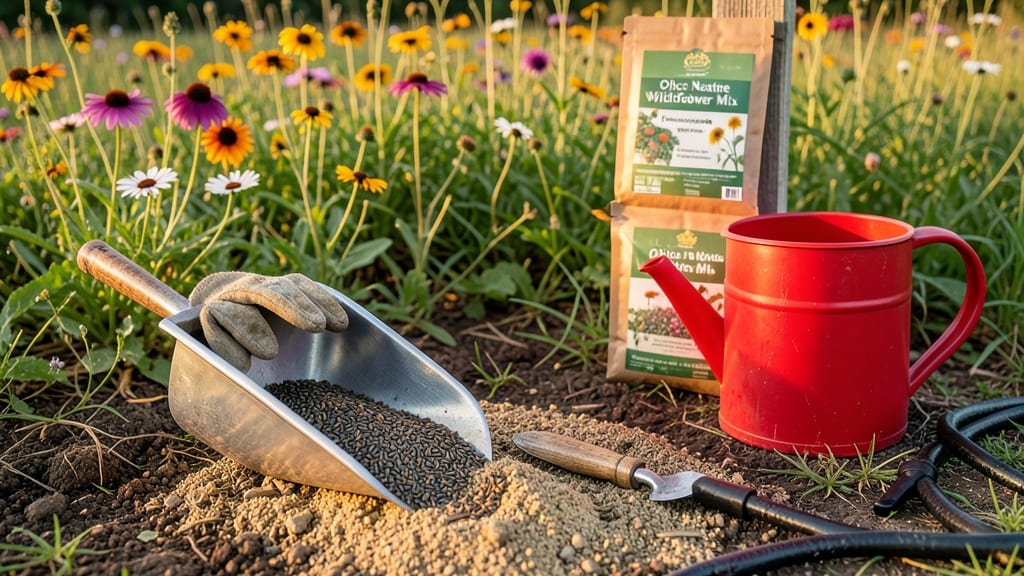
Ohio’s exact wildflower planting windows by climate zone
Ohio’s three USDA hardiness zones (5a-7a) create distinct planting windows for wildflowers, with frost-free dates ranging from mid-April in southern Ohio to late May in the north. Understanding your zone ensures seeds germinate when soil temperatures hit 60-65°F, the sweet spot for most wildflower species.
For northern Ohio (zones 5a-5b), aim to plant after April 15 to avoid late frosts. Southern Ohio (zones 6a-7a) offers a 2-3 week earlier window, with safe planting as early as March 20 in areas like Cincinnati or Columbus.
Fall planting works best 6-8 weeks before first frost, typically September 15-October 15 statewide.
| Zone | Last Frost | Spring Planting Window | Fall Planting Window | Soil Temp Goal |
|---|---|---|---|---|
| 5a-5b (Northern OH) | April 15-May 1 | April 20-May 15 | September 20-October 5 | 60-65°F |
| 6a (Central OH) | April 1-May 10 | March 20-April 30 | September 15-October 10 | 60-65°F |
| 7a (Southern OH) | March 15-April 1 | March 1-March 31 | September 1-October 15 | 60-65°F |
Use Ohio State University’s frost date map to pinpoint your exact window. For example, Toledo (zone 5b) typically sees its last frost April 22, while Athens (zone 6a) averages April 5. Planting 2-3 weeks after your local last frost date maximizes success.
Ohio’s spring planting rush often leads to overcrowded seed trays or missed germination windows. Instead, try fall sowing—seeds germinate slowly in cool soil, avoiding spring competition. This method also helps establish deep roots before summer heat arrives.
For direct sowing in spring, wait until nighttime temperatures stay above 50°F consistently. Use a soil thermometer to confirm—most wildflower seeds need 55°F+ soil to sprout reliably. In northern Ohio, this usually means late April to early May.
Ohio’s humidity and variable rainfall demand extra attention. After sowing, keep seeds moist but not soggy—use a light mulch layer (straw or leaves) to retain moisture without smothering sprouts. Water gently in the morning to prevent fungal risks.
Pro tip: Scarify seeds before planting by lightly nicking the seed coat with sandpaper or chilling them for 2-4 weeks. This mimics natural weathering and boosts germination rates by 30-50% for Ohio-native species like black-eyed Susan or purple coneflower.
If you’re in zone 6a or warmer, you can even try year-round sowing—just plant every 6-8 weeks to ensure continuous blooms. This staggered approach works especially well for annual wildflowers like cosmos or zinnias.
Remember: Ohio’s climate shifts yearly. Check the National Weather Service for your region’s 10-day forecast before planting. A heatwave or cold snap can derail your wildflower dreams if you’re off by even a week.
Spring vs. fall planting: which works best for Ohio wildflowers?
Ohio’s climate offers two prime windows for planting wildflower seeds—spring and fall—but each has distinct advantages. Spring planting (March–May) lets you enjoy blooms faster, while fall planting (September–October) gives seeds time to establish roots before winter.
I’ll break down which method suits your Ohio garden best, including soil prep, species compatibility, and weather risks.
Spring planting is ideal for annual wildflowers like cosmos and zinnias, which bloom quickly but may struggle if sown too late. Fall planting, however, is better for perennials like purple coneflower or black-eyed Susan, which need time to develop deep roots. Ohio’s USDA zones 5a–7a mean frost dates vary—northern Ohio’s last frost can hit as late as May 15, while southern Ohio may see frost-free soil by April 1. Timing matters!
Pros:
- Faster blooms (summer flowers)
- Easier soil prep (warmer ground)
- Annuals thrive (cosmos, sunflowers)
Pros:
- Better germination (cool moisture)
- Perennials establish roots (coneflower, milkweed)
- Fewer weeds (soil is cooler)
Cons:
- Frost risk if planted too early
- Drought stress in late spring
- Weed competition (warm soil = faster weeds)
Cons:
- Slower blooms (wait until next year)
- Frost can damage if planted too late
- Limited seed choices (some annuals won’t survive)
★★★★☆ (4/5)
★★★★★ (5/5)
For spring planting, aim for after your last frost date (typically mid-April in southern Ohio to mid-May in northern Ohio). Loosen soil, rake seeds lightly, and water gently to avoid washing them away. Fall planting should happen 6–8 weeks before first frost (usually September 1–15 in Ohio).
Seeds need moisture to germinate but shouldn’t sprout before winter—this is why fall works so well for perennials.
Ohio’s variable rainfall is another factor. Spring planting may require more frequent watering, while fall’s cooler temps reduce evaporation. If you’re unsure which to choose, plant a mix in both seasons—annuals in spring for instant color and perennials in fall for long-term beauty.
Just remember: scarify seeds (nick the coat or chill them) to break dormancy and boost germination rates.
Pro tip: Use a seed starter mix if sowing indoors (6–8 weeks before last frost), but direct sowing is easiest for wildflowers. Mulch lightly after planting to retain moisture and suppress weeds. Whether you choose spring or fall, Ohio’s wildflowers will reward you with vibrant blooms and buzzing pollinators—just pick the timing that fits your garden’s rhythm! 🌼🐝