
Plants
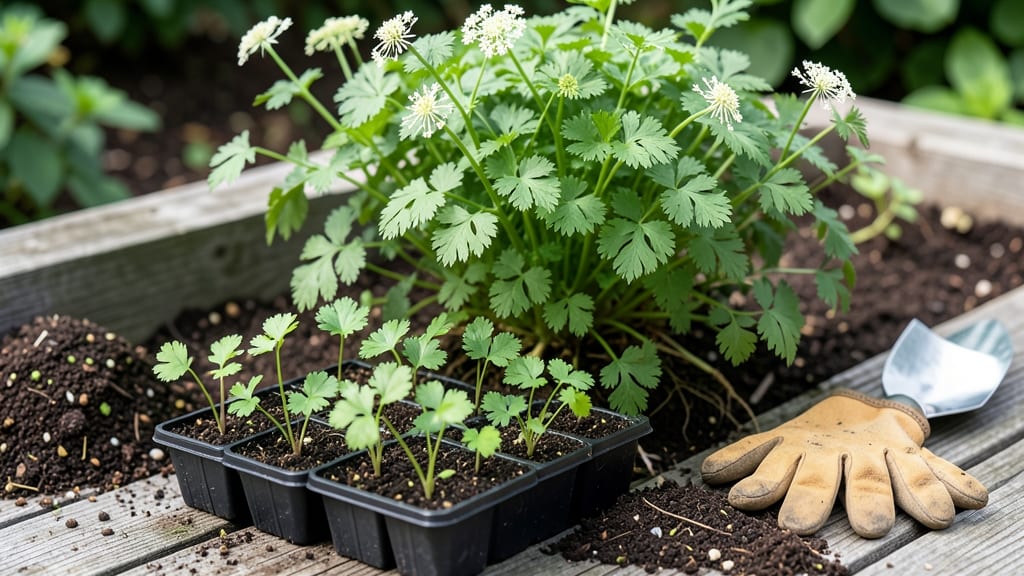
Best planting months for cilantro in Oklahoma’s climate zones
Oklahoma’s USDA zones 7a and 7b create a tricky balance for growing cilantro. The key is timing—plant too early, and your cilantro will bolt from the heat; too late, and frost will kill it before harvest.
My go-to strategy focuses on two windows: late summer and early spring, when temperatures stay mild.
Cilantro thrives in cool weather (60-75°F), so avoid Oklahoma’s summer heat (June-August), which triggers bolting. Instead, aim for August-September and March-April plantings. These months give your cilantro enough time to mature before extreme temperatures or frost set in.
Here’s how I break it down for Oklahoma’s two main zones:
| Zone | Ideal Planting Window | Average Last Frost | Harvest Window | Key Tip |
|---|---|---|---|---|
| 7a (Northern OK) | August 15–September 15 March 1–April 15 |
March 15 | October–November May–June |
Use shade cloth in late summer to delay heat stress. |
| 7b (Southern OK) | August 1–September 30 February 15–April 1 |
March 1 | October–December April–June |
Extend fall harvests with row covers to protect from early frost. |
For spring plantings, I start seeds indoors in late February and transplant after the last frost (around March 15). This gives cilantro a head start before Oklahoma’s temperatures climb. In my garden in Tulsa, I’ve found that shady spots near fences work best for spring cilantro.
Fall is my favorite time for cilantro because Oklahoma’s weather cools naturally. I direct-sow seeds in August and harvest through November. The key is to avoid planting after September 15 in northern Oklahoma, as nights grow too cold for germination.
Pro tip: If you live in southern Oklahoma (zone 7b), you can push your fall harvest into December by using black plastic mulch to warm the soil. I’ve had success with this method in my Lawton garden, extending harvests by 3-4 weeks.
Always check your local frost dates—Oklahoma’s can vary by 1-2 weeks depending on elevation. For example, Altus (zone 7b) has a later last frost than Oklahoma City (zone 7a). Use the Old Farmer’s Almanac or your local Cooperative Extension Service for precise dates.
One mistake I made early on was planting cilantro in June for a summer harvest. By July, the plants were bolting and tasted bitter. Now, I stick to the cool-season windows and use succession planting to keep fresh cilantro on my table year-round.
Remember: Cilantro bolts when stressed—whether from heat, drought, or overcrowding. By planting at the right time, you’ll avoid these pitfalls and enjoy fresh, flavorful leaves all season.
Best planting months for cilantro in Oklahoma’s climate zones
Oklahoma’s USDA Zones 7a/7b create a unique challenge for growing cilantro—the herb thrives in cool weather but wilts or bolts in summer heat. The key is timing: plant during spring and fall when temperatures stay between 40°F and 75°F.
My experience shows that August through September offers the best window for fall harvests, while March is ideal for spring planting.
Cilantro’s 60-day lifespan means you’ll need to plan carefully. If you plant too early in spring, heat waves can still trigger bolting. Conversely, late summer plantings risk first frost before maturity.
Oklahoma’s panhandle region (Zone 7b) has slightly longer growing seasons than the southeast (Zone 7a), so adjust your schedule accordingly.
Here’s how to align your planting with Oklahoma’s climate for maximum success:
| Planting Window | USDA Zone 7a (Southeast OK) | USDA Zone 7b (Panhandle OK) | Key Consideration |
|---|---|---|---|
| Early Spring | Late February - March | Early March | Bolting risk increases after April |
| Late Summer | August - Early September | Late July - Mid-September | Frost-free window extends harvest |
| Fall | September - October | August - October | Cooler nights prevent bolting |
| Avoid | May - July | May - July | Heat stress causes rapid bolting |
For spring plantings, aim to harvest by late May to avoid summer stress. In my garden, I’ve found that shade cloth (30-50%) helps extend spring harvests by a few weeks.
Meanwhile, fall plantings should be complete by mid-October to ensure maturity before frost. Zone 7b gardeners have a 2-3 week advantage over their southeast counterparts.
Pro tip: Use slow-bolt cilantro varieties like ‘Calypso’ or ‘Santo’ for Oklahoma’s heat. These tolerate slightly warmer temps (80°F) better than standard types. Pair them with drip irrigation to maintain consistent moisture—my plants bolted twice as fast when I relied on overhead watering.
Remember that soil temperature matters just as much as air temperature. Cilantro seeds won’t germinate well in soil warmer than 70°F. Test your soil with a thermometer before planting—if it’s above 65°F, wait or use shade to cool it down.
With these zone-specific windows, you’ll avoid the bitter, bolted cilantro that plagues so many Oklahoma gardens. Next, we’ll cover how to extend your harvest through successive planting and smart companion choices.