
Plants
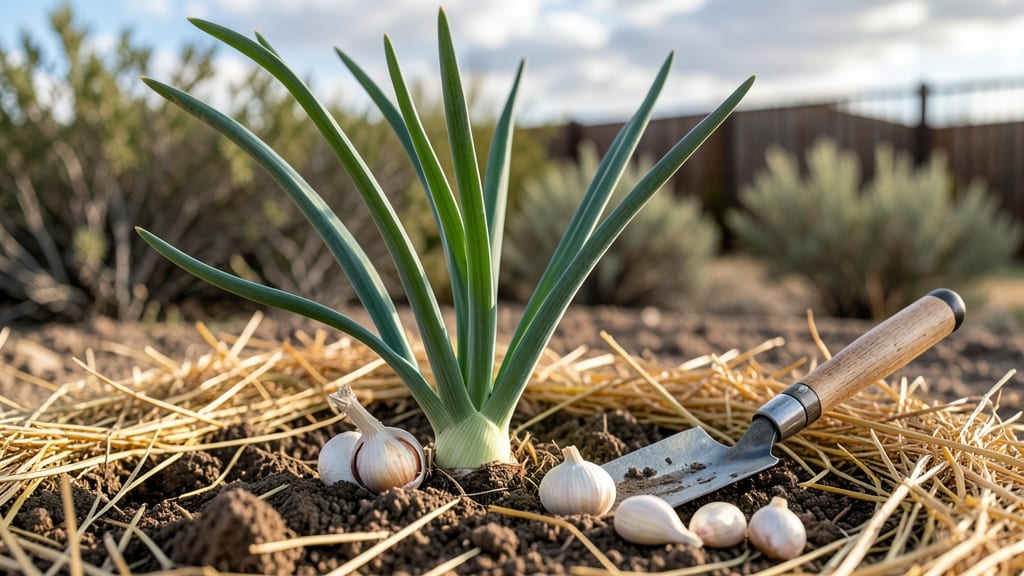
Timing is everything when it comes to growing 🧄 garlic in Phoenix—plant too early, and you risk bolting from heat; too late, and your bulbs won’t mature before summer’s relentless sun.
The ideal window for Phoenix gardeners is November through January, when cooler temps and shorter days create perfect conditions for bulb formation.
Unlike colder climates where frost triggers growth, Phoenix’s mild winters mean you’ll rely on consistent moisture and well-drained soil to mimic the chill garlic needs. Hardneck varieties thrive here, but softnecks can also work with the right adjustments.
Let’s break down exactly when and how to plant for maximum yield in your desert garden.
Most gardeners in Zone 9b overlook soil prep, but amending with compost and ensuring proper drainage is the key to preventing rot. We’ll cover spacing, depth, and irrigation tricks to keep your garlic happy through Phoenix’s unpredictable winters. Ready to grow plump, flavorful bulbs that rival store-bought? Let’s get started.
Harvesting in April or May means planning now—skipping these steps could leave you with puny cloves or no harvest at all. Whether you’re a first-timer or a seasoned gardener, these desert-specific tips will help you avoid common pitfalls.
Let’s dive into the details so you can enjoy homegrown garlic all year.
Best months to plant garlic in Phoenix for maximum yield
In Phoenix’s USDA Zone 9b, garlic thrives when planted during the coolest months—typically between mid-October and January. Unlike northern climates, Phoenix’s mild winters mean no frost risk, but garlic still needs 40-60 days of chilly temperatures (40-50°F) to form bulbs properly.
Planting too late can lead to bolting (premature flowering) from spring heat.
For peak harvest success, aim for November as the ideal window. This gives bulbs enough time to mature before Phoenix’s spring heat spikes in March. Early October plantings may struggle if winter stays unusually warm, while February plantings risk bolting before bulbs develop.
Phoenix’s microclimates add complexity. High-desert areas (like Carefree) can be 5°F cooler than urban Phoenix, allowing slightly later plantings. Meanwhile, urban heat islands may require earlier planting to avoid premature sprouting.
Garlic varieties also matter. Hardneck varieties (like Rocky Mountain) need more chill hours and are better for cooler microclimates. Softneck varieties (like Silverskin) tolerate Phoenix’s milder winters better but may yield smaller bulbs.
| Planting Window | Ideal Month | Notes |
|---|---|---|
| Early Planting | October (Mid) | Risk of bolting if winter stays warm |
| Optimal Window | November–January | Best bulb development in Phoenix |
| Late Planting | February | High bolting risk; smaller bulbs |
| Microclimate Adjustment | High Desert (e.g., Carefree) | Plant 2–3 weeks later |
| Microclimate Adjustment | Urban Heat Islands | Plant 2–3 weeks earlier |
Soil temperature is critical. Garlic cloves should be planted when soil temps drop below 70°F at a 4-inch depth. Use a soil thermometer to monitor—ideal temps are 50-60°F. In Phoenix, this typically happens by mid-October, but urban areas may lag behind.
For container gardening, timing shifts slightly. Pots heat up faster, so plant 4-6 weeks earlier (late September) to compensate. Use black plastic pots to absorb heat and extend the growing season slightly.
Pro tip: Mark your calendar for January 15th, the last safe date to plant in Phoenix’s hottest microclimates. After this, bolting becomes a serious risk as days lengthen and temps rise.
Remember, Phoenix’s lack of frost means garlic won’t go dormant like in colder zones. Instead, focus on consistent moisture and shade cloth during unexpected heat spikes to protect young plants.
Best months to plant garlic in Phoenix for maximum yield
Phoenix’s mild winters and warm desert climate create a unique window for planting garlic—October through January is your sweet spot. Unlike colder climates, garlic here doesn’t need frost to form bulbs, but it does require cool soil temperatures (below 70°F) to prevent premature bolting.
Aim for mid-October to late November for the best balance of moisture and cooler temps.
Hardneck varieties (like Rocky Mountain or Silverskin) thrive in Phoenix’s short winter, while softneck types (such as Artichoke) adapt better to warmer microclimates. Both need 60–90 days of cool weather to mature, so timing is everything.
Plant too early, and heat stress kicks in; too late, and bulbs won’t fully develop before summer heat arrives.
⚠️ CRITICAL: Phoenix’s alkaline soil and intense sun demand extra care. Without the right timing, garlic can bolt (send up flower stalks) or produce small, pungent bulbs. Let’s break down the ideal schedule to avoid these pitfalls.
| Month | Soil Temp | Climate Note | Best Variety |
|---|---|---|---|
| October | 65–75°F | Cooler evenings, low rain | Hardneck (Rocky Mountain) |
| November | 55–65°F | Ideal for bulb formation | Softneck (Artichoke) |
| December–January | 50–60°F | Mild winters, minimal frost | Both (adjust depth) |
For high-desert areas (e.g., Scottsdale), plant in early October to capitalize on cooler nights. In urban Phoenix, where heat lingers longer, late November is safer. Test soil depth—2 inches below the surface should stay below 70°F for consistent growth. Use a soil thermometer to monitor temps if unsure.
Pro tip: Mulch heavily (2–3 inches of straw) after planting to retain moisture and regulate soil temps. This mimics the cooler conditions garlic craves without relying on frost. Mulch also suppresses weeds, which compete for nutrients in Phoenix’s nutrient-poor soil.
Harvest timing follows planting closely: bulbs planted in October are ready by late April, while January plantings mature in June. Watch for lower leaves turning brown—this signals bulbs are nearing readiness. Rush harvesting, and you’ll get soft, pungent cloves; wait too long, and they’ll split open.