
Companion Plants
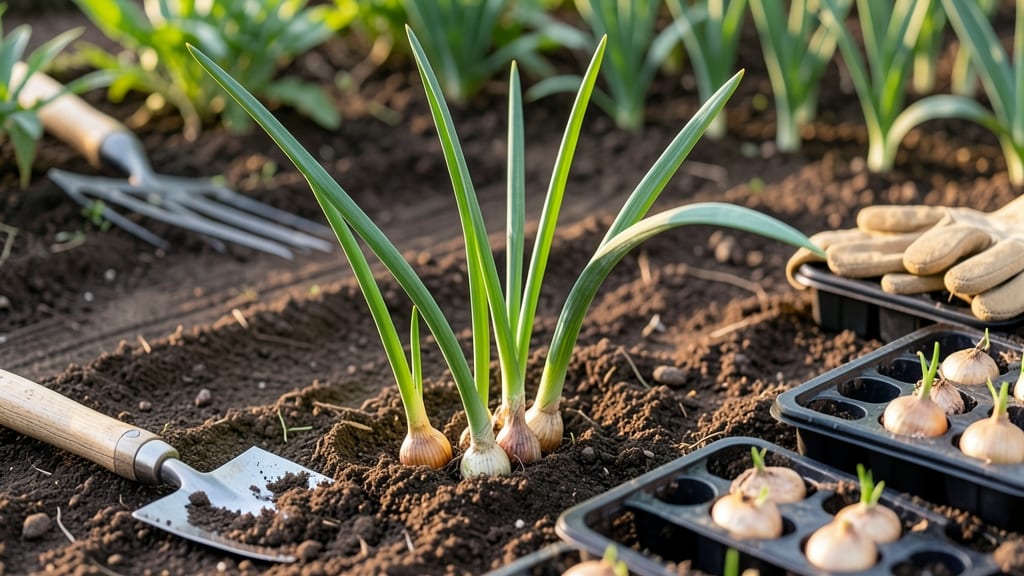
If you're wondering "when can I plant onions in Zone 6", timing is the secret weapon between a thriving harvest and a disappointing one.
The 🧅 you grow this season could be the difference between sweet, flavorful bulbs and bitter, stunted ones—all thanks to getting those seeds in the ground at just the right moment.
Zone 6 gardeners know the struggle: plant too early, and frost-sensitive onions bolt before they bulb up. Too late, and you’ll end up with weak, undersized harvests by fall. The key is knowing your last frost date—typically around mid-April—and working backward 4-6 weeks for perfect timing.
Whether you’re starting from sets or seeds, I’ll break down the exact windows for spring planting (March-April) and why late summer (July-August) is your backup option. Plus, I’ll share how to adjust for your specific microclimate so you’re never left guessing.
Ready to grow onions that rival the grocery store? Let’s dive into the precise timing and soil prep tricks that’ll have your Zone 6 garden producing bold, beautiful bulbs all season long.
Zone 6 onion planting calendar: exact weeks before last frost for success
In Zone 6, your onion planting window hinges on the last frost date, typically around mid-April. Planting too early risks bolting (premature flowering), while late plantings may not mature before fall frosts.
Aim for 4-6 weeks before last frost for spring plantings and 90-100 days before first frost for fall varieties. This ensures bulbs develop fully before winter sets in.
Zone 6 gardeners have two prime planting opportunities: early spring (March-April) and late summer (July-August). Spring plantings give onions the longest growing season, while fall plantings work best for short-day varieties that mature quickly.
Always check your local frost dates—they can vary by 1-2 weeks even within the same zone.
Soil temperature is just as critical as air temperature. Onions thrive when soil reaches 40-50°F. Use a soil thermometer to confirm readiness—cold, wet soil can stunt growth or trigger rot. In Zone 6a (colder microclimates), wait until late March; in Zone 6b, early March plantings are safer.
| Planting Window | Zone 6 Timing | Key Considerations |
|---|---|---|
| Spring Planting | 4-6 weeks before last frost (early March - mid-April) | Use long-day varieties; soil must be 40-50°F |
| Fall Planting | 90-100 days before first frost (July - early August) | Best for short-day varieties; harvest before winter |
| Transplants | 4-6 weeks before last frost or 8 weeks before first frost | Hardier than seeds; adjust spacing for mature size |
| Seedlings | Indoor start 8-10 weeks before transplanting | Provide bright light to prevent leggy growth |
Microclimates within Zone 6 can shift planting windows by 1-2 weeks. Urban areas often experience heat islands, allowing earlier plantings, while rural spots may need to delay. Observe your garden’s sun exposure—south-facing beds warm faster, while north-facing areas stay cooler longer.
If your area has unpredictable frosts, use row covers to extend the season by 2-3 weeks.
For transplants, time your purchase carefully. Onion sets should be planted 4-6 weeks before last frost, while seedlings need 8 weeks to establish. Buy from reputable nurseries—cheap, weak sets often lead to poor yields. Store sets in a cool, dark place until planting to prevent premature sprouting.
Soil preparation is non-negotiable. Onions demand well-draining, fertile soil with a pH of 6.0-7.0. Amend heavy clay with compost or sand to prevent rot. Work in aged manure or compost 2-3 weeks before planting to give roots a nutrient boost. Avoid fresh manure—it can burn roots and trigger bolting.
Watering strategy makes or breaks your harvest. Onions need consistent moisture but hate soggy soil. Aim for 1 inch of water weekly, delivered in the morning to reduce fungal risks.
Mulch with straw or grass clippings to retain moisture and suppress weeds. During drought stress, onions may bolt—prioritize watering during hot, dry spells.
Fertilize lightly at planting with a balanced 5-10-10 mix, then side-dress with nitrogen-rich fertilizer when shoots reach 6 inches tall. Over-fertilizing, especially with nitrogen, leads to leafy growth at the expense of bulbs.
In Zone 6’s shorter season, focus on root development early and bulb formation mid-season.
Monitor your onions for bolting signs—tall flower stalks indicate stress from heat, cold, or improper timing. If caught early, trim the stalks to redirect energy to bulb growth.
For late plantings, use shade cloth during peak afternoon sun to slow maturation. With precise timing and care, you’ll harvest plump, flavorful onions before winter’s first frost.
How to adjust onion planting time for different varieties (short-day vs. long-day)
Not all onions thrive on the same schedule in Zone 6—day-length sensitivity determines when to plant. Short-day onions (like 'Texas Early White') need cooler temperatures and shorter days to bulb properly, while long-day onions (such as 'Sweet Spanish') require warmer weather and longer daylight.
Getting this wrong can mean bolting or tiny bulbs.
For short-day varieties, plant 4-6 weeks before last frost (typically early March in Zone 6). These onions prefer cooler soil (around 50-60°F) and shorter daylight hours to trigger bulb formation.
Examples include '1015Y Yellow' and 'Red Creole.' If you plant them too late, they may bolt before forming proper bulbs.
| Variety Type | Best Planting Window (Zone 6) | Key Consideration |
|---|---|---|
| Short-Day | Early March - Mid-April | Cool soil (50-60°F) prevents bolting |
| Intermediate-Day | Late March - Early May | Adaptable to Zone 6's variable spring |
| Long-Day | Late April - Early June | Requires warmer soil (>60°F) for bulb growth |
Long-day onions need warmer soil (above 60°F) and longer daylight hours, so wait until late April to early June in Zone 6. Varieties like 'Yellow Sweet Spanish' or 'Walla Walla' won’t bulb properly if planted too early—they’ll just send up flower stalks. If you’re eager to start, use seedlings instead of seeds to shave off 2-3 weeks.
For intermediate-day varieties (like 'Copra'), aim for late March to early May. These are the most forgiving and adapt well to Zone 6’s unpredictable springs. If your area has late frosts, opt for transplants in early April to avoid seedling damage.
Pro tip: Test your soil temperature before planting. Use a soil thermometer—short-day onions need cooler temps (50-60°F), while long-day onions thrive in 60-70°F soil. Adjust your planting date if your soil runs hot or cold.
If you’re still unsure, start with short-day varieties first—they’re the most reliable for Zone 6’s cooler springs. Once you’ve mastered their timing, experiment with long-day onions for larger, sweeter bulbs in summer.