
Companion Plants
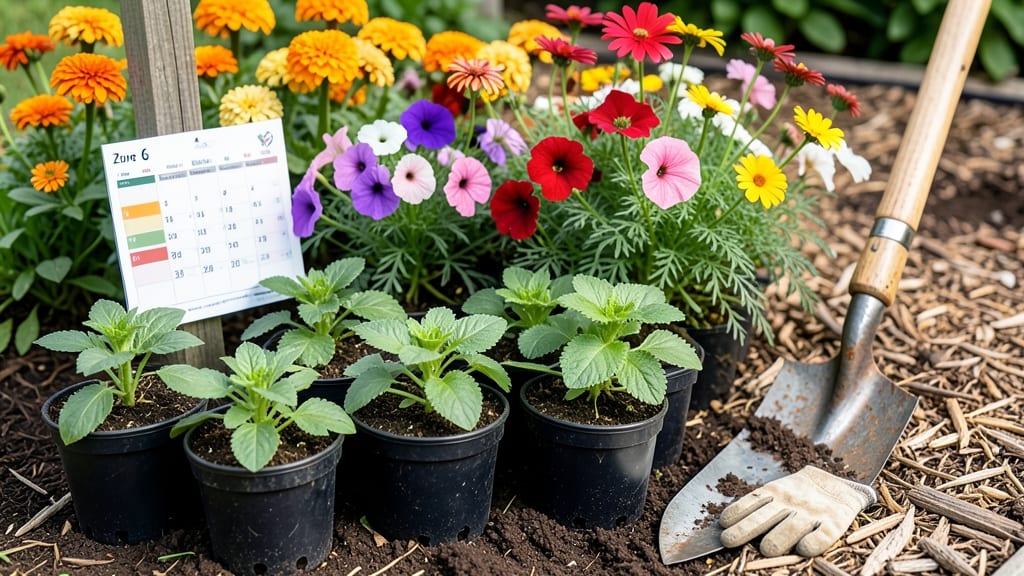
If you're wondering when can I plant annuals in Zone 6, timing isn't just about avoiding frost—it's about unlocking the full potential of your garden's growing season.
With 165 frost-free days to work with, knowing the exact windows for cool-season and warm-season varieties makes all the difference between vibrant blooms and struggling seedlings.
Let's start with the basics: most 🌸 annuals thrive when planted after your last frost date—typically between mid-April and early June—but some varieties actually prefer the cooler shoulder seasons.
Whether you're dreaming of summer marigolds or fall-blooming asters, understanding these nuances will help you extend your harvests from May all the way through November.
What you'll discover here are the precise planting windows tailored for Zone 6's 6a-6b climate, along with soil temperature tricks to get a jumpstart on your favorite flowers, vegetables, and herbs.
We'll also cover how to adjust for your specific microclimate—whether you're dealing with urban heat islands or valley cold pockets.
Ready to transform your garden into a year-round showstopper? Let's dive into the exact strategies that will have your annuals thriving from spring through fall, with minimal guesswork and maximum results.
Zone 6 frost dates and ideal planting windows for annuals
Understanding your Zone 6 frost dates is the first step to successful annual planting. The average last spring frost typically occurs around April 15, but this can vary by 10 days or more depending on your specific microclimate.
For warm-season annuals like tomatoes and marigolds, wait until soil temperatures reach at least 50°F (10°C)—usually 2-3 weeks after your last frost date.
Your first frost date in Zone 6 usually arrives around October 15, though early frosts can sneak in as early as September 20 in rural areas. This means you have roughly 165 frost-free days to grow annuals, but strategic planting can extend this window even further.
For example, cool-season annuals like lettuce and pansies can handle light frosts and may even thrive when planted in late summer for fall harvests.
Here’s the key: Spring planting for warm-season annuals should happen 2-4 weeks after your last frost, while fall planting for cool-season varieties begins 8-10 weeks before your first frost. This timing ensures your plants mature before cold snaps arrive.
Urban gardeners may experience earlier soil warming due to heat islands, while rural areas might face delayed thawing in low-lying spots.
To pinpoint your exact frost dates, check local weather records or use tools like the USDA Plant Hardiness Zone Map. For a general Zone 6 guideline, here’s what you need to know:
🌱 Zone 6 Frost and Planting Timeline
| Stage | Action | Notes |
|---|---|---|
| Late March | Prepare soil | Add compost; test pH (6.0-7.0 ideal) |
| Mid-April | Plant cool-season annuals | Lettuce, spinach, pansies (tolerate light frost) |
| Early May | Start warm-season annuals indoors | Tomatoes, peppers, basil (transplant after last frost) |
| Late May | Direct-sow warm-season annuals | Corn, beans, marigolds (soil ≥50°F) |
| July-August | Plant fall annuals | Kale, radishes, cosmos (harvest before frost) |
💡 Pro Tip: Use row covers to extend spring planting by 2-3 weeks or protect tender plants in fall.
If you’re unsure about your exact frost dates, consider planting succession crops like bush beans or zinnias, which have a short maturity time (30-60 days). These allow you to stagger plantings every 2-3 weeks for continuous blooms or harvests.
For example, planting basil in early June and again in mid-July ensures fresh herbs all summer long.
Another strategy is to use heat-loving annuals like sunflowers or sweet potatoes in late June to take advantage of the peak summer heat. These varieties thrive in 70°F+ soil temperatures and can handle the hottest months (July-August) when other plants might struggle.
Just be sure to mulch heavily to retain moisture and prevent bolting.
For fall planting, focus on cool-season annuals that mature quickly, such as radishes (25 days) or bok choy (30 days). These can be sown as late as early September in Zone 6 and still produce harvests before frost.
Pair them with hardy flowers like pansies, which add color to your garden well into November.
Remember, microclimates matter. A south-facing slope warms up faster than a north-facing garden bed, so adjust your planting timeline accordingly. If you’re in an urban area, pavement and buildings can create heat islands, allowing you to plant warm-season annuals 1-2 weeks earlier than rural counterparts.
Always monitor your garden’s unique conditions to fine-tune your schedule.
Finally, keep a gardening journal to track your frost dates and planting success over the years. Note when your last frost occurs and adjust future plantings accordingly. With practice, you’ll master the art of Zone 6 annual planting and enjoy a vibrant garden from spring to fall! 🌿
Best annuals to plant by month in Zone 6 (with success tips)
In Zone 6, your annual planting calendar starts with cool-season crops in early spring and transitions to heat-loving varieties by summer. For best results, align your planting with soil temperatures and frost-free windows. Let’s break it down month by month to keep your garden thriving all season.
March is all about preparation. Test your soil pH (aim for 6.0–7.0) and amend with compost or aged manure. Start cool-season annuals like lettuce and spinach indoors or under row covers if temperatures dip below 40°F (4°C).
These hardy greens tolerate light frosts and can be planted 2–3 weeks before your last frost date.
🌱 Monthly Planting Guide for Zone 6 Annuals
- March: Start lettuce, spinach, peas indoors or under row covers; amend soil with compost.
- April: Plant cool-season flowers (pansies, violas) and vegetables (kale, broccoli) after last frost (mid-April).
- May: Transition to warm-season annuals: tomatoes, peppers, marigolds, and zinnias after soil hits 50°F (10°C).
- June: Sow heat-tolerant herbs (basil, cilantro) and summer bloomers (sunflowers, cosmos).
- July: Begin fall planting for cool-season crops (radishes, arugula) with row covers.
- August: Extend summer with heat-resistant varieties (okra, sweet potatoes) and late-blooming flowers (astors).
By April, focus on cool-season annuals that thrive in 50–70°F (10–21°C) temperatures. Plant pansies and violas for early color, and broccoli or cauliflower for edible harvests. These varieties handle light frosts and even snow, making them ideal for Zone 6’s unpredictable spring.
Space them 12–18 inches apart to allow airflow and reduce disease risk.
When May rolls in, shift to warm-season annuals like tomatoes, peppers, and marigolds. Wait until soil temperatures reach 60°F (16°C)—use a soil thermometer to check.
Harden off seedlings for 7–10 days before transplanting to avoid shock. Pair tomatoes with basil to deter pests and boost flavor, while marigolds repel nematodes naturally.
June is peak planting time for summer-blooming annuals. Sow sunflowers and cosmos directly in the ground for bold color and pollinator support. These varieties thrive in full sun and well-draining soil, so amend clay-heavy soil with sand or perlite if needed.
Water deeply once a week to encourage strong root growth, and mulch with straw to retain moisture.
Don’t forget fall planting! Starting in late July, sow fast-maturing crops like radishes or arugula for a September–October harvest. Use row covers to extend the season by 2–4 weeks and protect tender plants from early frosts.
Choose cold-hardy varieties such as kale or swiss chard, which sweeten after a light frost and add winter interest to your garden.