
Plants
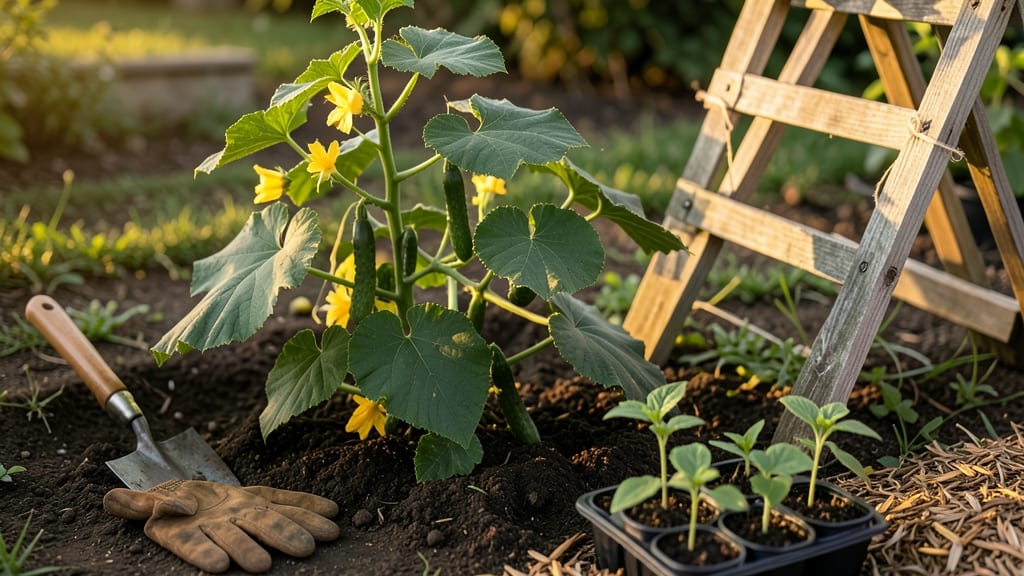
Timing your cucumber planting in Zone 6A isn't just about waiting for spring—it's about catching that sweet spot between frost and heat where 🥒 thrive. Get it wrong, and you might end up with stunted plants or missed harvests, even if you've got the best soil in the neighborhood.
In Zone 6A, where last frost typically lingers around mid-April, the real secret lies in soil temperature more than calendar dates. Cucumbers need warmth to germinate properly, and planting too early—even after frost—can leave your seeds sitting in cold soil for weeks.
Let me show you exactly when to plant for a bountiful harvest, whether you're growing bush varieties or sprawling vining types.
You'll discover how to use simple tools like row covers to extend your growing window, which varieties handle cooler temps better, and how to adjust your schedule if spring decides to play hard to get.
With these strategies, you can turn your Zone 6A garden into a cucumber powerhouse from July through September.
No more guessing games—just practical timing tips that actually work for your climate. Let's get those cucumbers in the ground at the perfect moment for maximum growth and flavor.
Zone 6A cucumber planting timeline: frost dates, soil temps & variety-specific windows
Getting your cucumbers in the ground at the right time in Zone 6A is everything—miss the window, and you risk stunted growth or worse, a total crop failure.
The average last frost date for Zone 6A is around April 15, but this can vary by 1-2 weeks depending on your microclimate. For example, areas near large bodies of water may experience frost 10 days later than inland spots.
Cucumbers are warm-season crops that demand soil temperatures above 60°F to germinate properly. If you plant too early, seeds may rot in cold soil, while waiting too long risks overcrowding as vines grow aggressively in summer.
The sweet spot? Aim for 2-3 weeks after your last frost date, typically mid-April to early May, once soil consistently stays above 60°F.
| Variety Type | Ideal Planting Window (Zone 6A) | Soil Temperature Requirement (°F) | Days to Maturity | Key Consideration |
|---|---|---|---|---|
| Bush Varieties (e.g., 'Bush Champion') | Late April to early May | 60-65°F | 50-60 days | Compact growth; great for containers |
| Vining Varieties (e.g., 'Straight Eight') | Mid-April to late May | 65-70°F (preferred) | 60-75 days | Needs trellis; plant earlier for longer harvest |
| Slicing Types (e.g., 'Marketmore') | Early May (soil >65°F) | 65-70°F | 65-70 days | Thicker skin; tolerate heat better |
| Pickling Types (e.g., 'Boston Pickling') | Late April to early June (succession plant) | 60-65°F | 50-60 days | Smaller fruit; plant every 2 weeks |
For bush cucumbers, which mature faster (50-60 days), you can start seeds indoors 4-6 weeks before your last frost date. Transplant seedlings outdoors once nighttime temperatures stay above 50°F. These varieties are perfect for small spaces or containers, as they grow only 1-3 feet tall.
If you're growing vining cucumbers, which can climb 6-20 feet, plant seeds directly in the ground after soil warms to 65°F. These varieties benefit from early planting (mid-April) to maximize harvest time before summer heat sets in.
Install trellises or cages at planting to save space and improve air circulation, reducing disease risk.
Pro tip: Use a soil thermometer to confirm soil temps—cucumbers won’t germinate below 60°F, even if air temps are warm. If your soil is still cold in early May, consider using black plastic mulch to warm it up 5-10°F faster than bare soil.
This trick lets you plant 1-2 weeks earlier without risking seed rot.
Don’t overlook late-spring plantings either! In Zone 6A, you can often squeeze in a second crop of fast-maturing varieties (like pickling cucumbers) in early June. Just use row covers to protect young plants from unexpected late frosts, which can still occur in May.
Harvest time in Zone 6A typically runs from July through September, but with the right planning, you can extend this window. For example, succession planting every 2 weeks after your first planting ensures a steady supply of fresh cucumbers all summer long.
One final tip: Monitor your local almanac or weather service for 10-day forecasts in early spring. If a cold snap is predicted after you’ve planted, cover seedlings with frost cloth or a lightweight row cover to protect them.
Cucumbers are sensitive to cold, and even 50°F nighttime temps can stunt growth.
How to extend your cucumber growing season in zone 6A: cold protection & succession planting
Zone 6A’s short 165-day frost-free season can feel like a race against time for cucumbers, but with the right strategies, you can stretch your harvest from early July to late September.
The key? Cold protection and succession planting—two tactics that turn late springs and early frosts into opportunities, not obstacles.
Start by choosing cold-tolerant varieties like ‘Northern Pickling’ or ‘Straight Eight,’ which handle 50°F soil temps better than standard types. Pair these with row covers or black plastic mulch to warm soil faster and shield young plants from unexpected chills.
Row covers (like Reemay fabric) can push planting dates 2-3 weeks earlier in spring and delay harvests by 3-4 weeks in fall. For even more protection, combine them with cold frames or mini greenhouses—these let you start seeds indoors 4-6 weeks before last frost and transplant hardened-off seedlings outdoors.
For succession planting, sow a second batch 2-3 weeks after your first planting. This ensures a continuous harvest even if the first crop bolts in summer heat. Space plantings 10-14 days apart for a steady supply—just watch for powdery mildew in crowded beds.
Don’t overlook fall plantings either! In Zone 6A, you can often get a late-season crop by sowing seeds mid-July to early August, using row covers to protect tender vines until mid-October. Just be ready to harvest before first frost—cucumbers won’t survive freezing temps.
Pro tip: Use a soil thermometer to confirm 60°F+ soil temps before planting—cold soil delays germination by weeks. Pair this with black plastic mulch to speed up warming and keep roots cool in summer.