
Plants
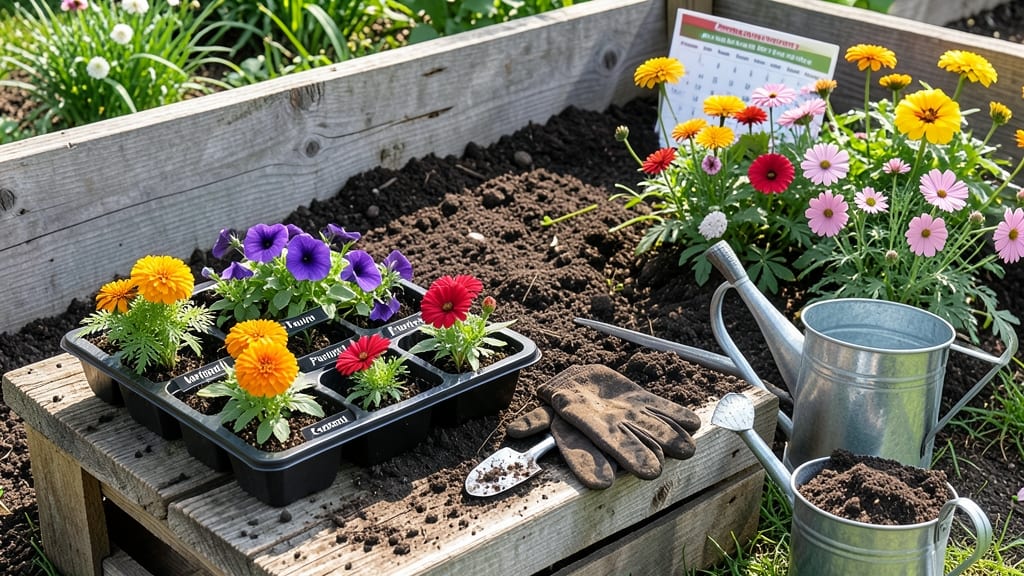
If you’ve ever watched your 🌸 annuals wilt after a surprise frost or struggle to bloom because you planted too late, you’re not alone—getting the timing right in Zone 6 is the difference between a showstopping garden and a sad one.
Zone 6 gardeners know that last-frost dates aren’t just numbers—they’re the key to unlocking the full potential of your summer flowers, veggies, and herbs. Plant too early, and frost zaps your seedlings; too late, and heat-loving plants like tomatoes and marigolds may never recover.
The good news? With the right strategy, you can learn how to align your planting schedule with your microclimate for a garden that thrives all season long.
In this guide, I’ll break down the ideal planting windows for both cool-season and warm-season annuals, including how to adjust for urban heat islands or rural chill. You’ll also discover which varieties can handle late starts—and how to extend your growing season with simple tricks like row covers.
Let’s turn those frost dates into a garden calendar you can actually trust.
Whether you’re a seasoned gardener or just starting, mastering these timelines means more blooms, bigger harvests, and less guesswork. Ready to plant with confidence?
Zone 6 last-frost dates by plant type: cool vs warm season annuals
Understanding Zone 6 last-frost dates is the key to successful annual planting. The average last frost date in Zone 6 falls between April 15 and May 15, but this can shift by 2–4 weeks depending on your microclimate.
Urban areas often experience later frosts due to heat islands, while rural spots may warm up faster. For example, Northern Zone 6a (like Minneapolis) typically sees frost until May 10, while Southern Zone 6b (like Nashville) may reach frost-free status by April 25.
Annuals are divided into two critical groups: cool-season and warm-season plants. Cool-season varieties like lettuce, peas, and pansies thrive when soil temperatures are below 70°F, while warm-season favorites such as tomatoes, marigolds, and basil need soil temps above 60°F to germinate.
Planting at the wrong time can lead to stunted growth or complete failure—so timing matters!
| Plant Type | Ideal Planting Window | Soil Temp Requirement | Notes |
|---|---|---|---|
| Cool-Season Annuals | 2–4 weeks before last frost | Below 70°F | Examples: Lettuce, peas, spinach, pansies |
| Warm-Season Annuals | 2–3 weeks after last frost | Above 60°F | Examples: Tomatoes, marigolds, basil, cucumbers |
| Heat-Tolerant Annuals | Late May–June 15 | Above 75°F | Examples: Cosmos, zinnias, okra, sweet potatoes |
| Fall Plantings | Late July–early August | Cool down to 60–70°F | Examples: Kale, radishes, snapdragons |
For cool-season annuals, start planting as early as March under row covers or in a greenhouse. Hardier varieties like peas and spinach can even handle light frosts, while delicate lettuce may bolt if exposed to heat.
To extend your growing season, use frost blankets or cold frames to protect seedlings until the last frost date passes.
Warm-season annuals, on the other hand, cannot tolerate frost and should never be planted before soil temperatures reach 60°F. If you’re eager to get a head start, sow seeds indoors 6–8 weeks before your last frost date and transplant seedlings outdoors once the coast is clear.
This is especially critical for tomatoes and peppers, which take longer to mature.
Microclimates play a huge role in Zone 6 planting success. A south-facing slope warms up faster than a north-facing garden bed, so adjust your planting timeline accordingly.
Urban gardeners in cities like Chicago or Cleveland may need to wait until May 15 for safe planting, while rural areas in Kentucky or Virginia might be ready by April 25. Always check local weather patterns for the most accurate last-frost predictions.
One common mistake is planting warm-season annuals too early. If you sow tomato seeds in late April, they’ll sit dormant in cold soil, only to rot when temperatures finally rise. Instead, wait until after Memorial Day (around May 30) to plant heat-loving varieties.
For cool-season crops, the opposite is true—planting too late can result in bolting or poor yields before frost arrives.
Pro tip: Use biodegradable seed starter pots to transplant seedlings without disturbing roots. This method works especially well for basil and petunias, which hate being moved once established. For extra insurance, keep a garden journal to track your local frost dates and adjust future plantings accordingly.
Don’t forget about fall plantings! Zone 6 gardeners can enjoy a second harvest by sowing cool-season annuals in late July or early August. Choose fast-maturing varieties like radishes or bush beans to ensure they reach maturity before the first frost in mid-October.
With the right timing, you can enjoy fresh greens and flowers well into autumn!
Mastering Zone 6 planting times takes practice, but once you nail the last-f
How to calculate your exact planting window using frost probability tools
Finding your exact last-frost date is the key to avoiding frost damage while maximizing your annuals' growth potential. While the average last-frost date for Zone 6 is around April 15, microclimates—like urban heat islands or sheltered valleys—can shift this by 2+ weeks.
Using frost probability tools ensures you plant at the optimal time for your specific location.
Start with the USDA Plant Hardiness Zone Map to confirm your exact sub-zone (6a or 6b), then cross-reference with local frost data from sources like the National Oceanic and Atmospheric Administration (NOAA). These tools provide historical frost records, helping you identify patterns in your area’s frost timing.
For example, a Zone 6a garden in Chicago might have a last-frost date of May 1, while one in Atlanta could be as early as March 20.
For warm-season annuals like tomatoes or peppers, wait until soil temperatures consistently reach 60°F—use a soil thermometer to check in the morning.
If your last-frost date is May 1, aim to plant these heat-lovers by May 15 to give them enough time to establish roots before summer heat sets in.
Extend your planting window with row covers or cold frames to protect tender seedlings. These tools can push your last-frost date back by 2–4 weeks, allowing you to start cool-season crops like lettuce or spinach earlier in spring. Just remove covers once plants are established to avoid overheating.
Don’t forget about fall planting! In Zone 6, the first frost typically arrives around October 15, but you can still plant cool-season annuals like kale or pansies until September 1.
Use frost probability tools to estimate your first-frost date and count backward from there, allowing 4–6 weeks for harvest before cold sets in.
Track your own frost dates over the years to refine your planting schedule. Even a 5-day shift in frost timing can mean the difference between a thriving garden and a failed crop.
With the right tools and a little patience, you’ll master your Zone 6 planting window like a pro. 🌿