
Companion Plants
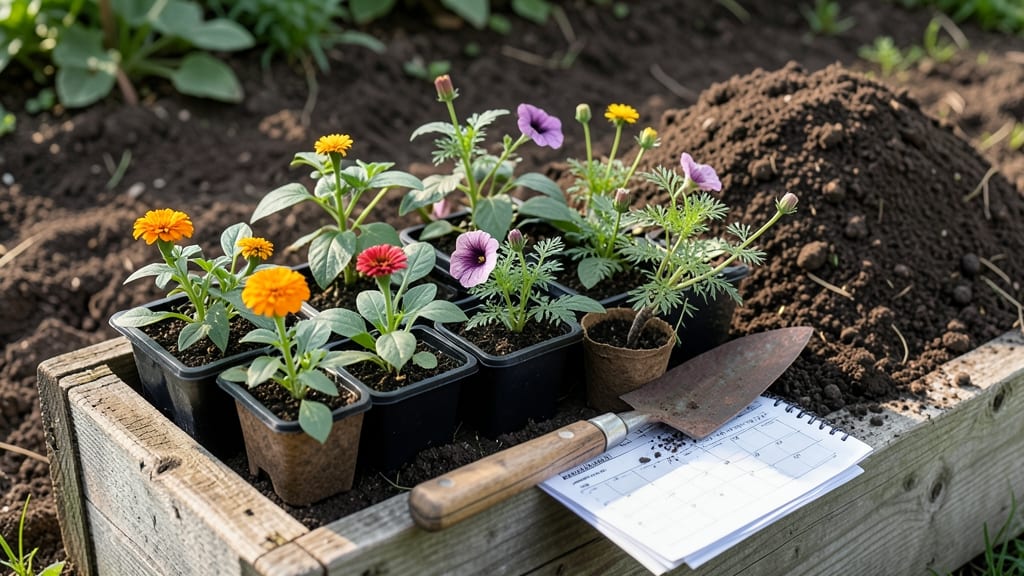
If you're wondering "when can I plant annuals in Zone 5", timing is the secret ingredient to a showstopping garden. The wrong move could mean wasted seeds or stunted growth, but with the right strategy, you'll transform your yard into a 🌸 blooming paradise from spring to fall.
Here's the deal: Zone 5's unpredictable frost dates (usually around May 10) mean you can't just follow a calendar. Some annuals like cool-season pansies can handle early planting, while heat-lovers like basil need to wait until soil warms to 60°F.
I'll break down exactly when to plant each type for maximum success.
What you'll discover is how to stretch your growing season with clever techniques like row covers and succession planting. Whether you're growing vegetables, flowers, or herbs, these proven strategies will help you avoid common mistakes and get the most from your garden.
Let's dive into the perfect planting schedule so you can enjoy vibrant annuals all season long—no more guessing games about frost dates or soil temperatures. Your garden's success starts with knowing exactly when to plant!
Zone 5 frost-free planting dates by last frost timeline
In Zone 5, the difference between a thriving annual garden and a frost-killed disappointment often comes down to timing.
The average last frost date for Zone 5 is around May 10, but this can vary by 5-7 days depending on whether you're in Zone 5a (colder) or Zone 5b (warmer). I’ve planted marigolds and basil too early only to watch them wilt overnight—don’t make that mistake!
For warm-season annuals like tomatoes, peppers, and petunias, wait until two weeks after your last frost date. Soil temperature should also be at least 60°F—I test this with a soil thermometer before planting.
Cool-season annuals like pansies and spinach, however, can handle early spring or even late fall plantings, as long as they’re protected from frost.
Here’s the key: Zone 5a (colder) may need to wait until mid-to-late May, while Zone 5b (warmer) can often start planting by early May.
Always check your local almanac or use a frost calendar for your specific area—my neighbor in Chicago plants a week later than I do in Columbus, even though we’re both in Zone 5!
🌱
| Planting Window | Zone 5a (Colder) | Zone 5b (Warmer) | Soil Temp | Notes |
|---|---|---|---|---|
| Cool-Season Annuals (Pansies, Lettuce, Spinach) | Early April - Mid-May | Late March - Early May | 45-55°F | Use row covers for frost protection. |
| Warm-Season Annuals (Tomatoes, Peppers, Basil) | Mid-May - Late May | Early May - Mid-May | 60°F+ | Wait until night temps stay above 50°F. |
| Heat-Tolerant Annuals (Marigolds, Zinnias, Okra) | Late May - Early June | Mid-May - Late May | 65°F+ | Ideal for late summer blooms. |
| Late-Season Annuals (Cosmos, Snapdragons) | Late July - Early August | Mid-July - Late July | 55°F+ | Plant after first frost risk passes. |
If you’re unsure about your exact last frost date, I recommend using a frost-free calculator or checking with your local cooperative extension office.
For example, in Zone 5a, I’ve had years where frost lingered until June 1, while Zone 5b might see frost-free conditions by May 1. The key is to plant after the average last frost and monitor weather forecasts for late-season cold snaps.
Another trick I use is planting fast-maturing varieties like bush beans or radishes a few weeks before the official last frost date. These can often outrun a late frost, giving you an earlier harvest. Just be prepared to cover them with frost cloth if temperatures dip below 32°F.
For container gardening, you can push the envelope even further. Containers warm up faster than garden beds, so I often plant petunias or geraniums in pots by early May in Zone 5b.
If frost threatens, I simply move the containers to a protected porch or greenhouse for the night.
🌿
Remember, succession planting is your friend in Zone 5. Instead of planting everything at once, stagger your plantings every 2-3 weeks for a continuous harvest.
For instance, I plant lettuce in early April, again in late April, and once more in early May to ensure a steady supply all summer long.
Finally, keep an eye on your first frost date, which typically arrives around October 1 in Zone 5. This is your cue to harvest remaining crops or plant frost-tolerant annuals like kale or pansies for fall color. With the right timing, you can enjoy annuals
Best annuals to plant in Zone 5 by seasonal heat tolerance
Zone 5’s variable climate demands smart annual choices—some thrive in cool spring shoulders, while others need summer’s heat. The key is matching varieties to your microclimate and planting window. For example, pansies and snapdragons handle 50°F soil beautifully, while tomatoes and marigolds beg for 60°F+ warmth.
I’ve categorized my top Zone 5 annuals into two groups: cool-season champions (plant in April–May) and heat-loving stars (wait for late May–June). This ensures your garden stays vibrant from spring blooms to fall harvests, even when summer heat arrives.
🌱 Cool-Season Annuals (Plant 4–6 Weeks Before Last Frost) 1. Pansies – 45–60°F tolerance; April–May planting for spring color. 2. Snapdragons – 35–70°F range; March–April starts under row covers. 3. Lettuce – 40–65°F ideal; April–early June for spring harvests. 4. Kale – 35–75°F hardy; March–July for successive cuts. 5. Sweet Alyssum – 40–70°F; April–May for fragrant ground cover.
🌿 Top Heat-Loving Annuals (Plant After Last Frost)
- 1. Marigolds – 60–90°F; May–June for pest-deterring blooms and fall color.
- 2. Basil – 70–85°F; late May–June for herb gardens (avoid late frost).
- 3. Zinnias – 65–95°F; June–July for long-lasting cut flowers.
- 4. Tomatoes – 60–85°F; late May–early June (use black plastic mulch to warm soil).
- 5. Sunflowers – 65–80°F; June–July for tall summer statement (direct-sow after frost).
Don’t overlook succession planting for heat-lovers! For example, sow bush beans every 2 weeks from June–July to stretch your harvest. And if your summer heat feels extreme, opt for shade-tolerant annuals like impatiens or coleus for partial-shade spots.
My Zone 5 garden thrives when I diversify planting dates. Cool-season stars get an early start, while heat-lovers wait for soil warmth. With this strategy, my annuals bloom or harvest for 10+ weeks—no bare patches in sight!
Need a quick reference? Bookmark this list and adjust based on your local frost dates. And remember: row covers can push cool-season planting 2–3 weeks earlier if frost threatens.