
Watering
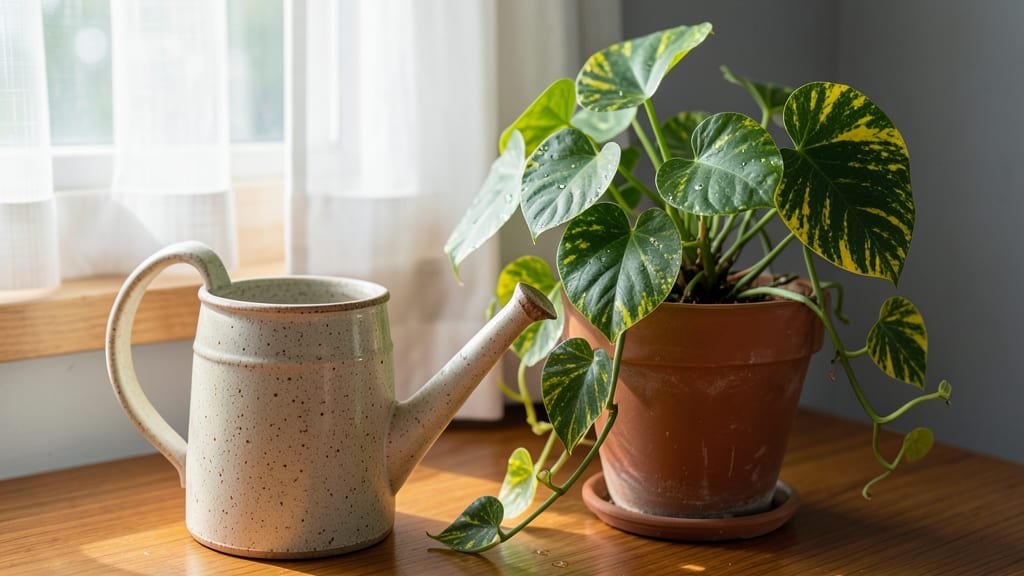
Money plant watering schedule by season: exact frequency for healthy growth
Your money plant (Crassula ovata) thrives on a predictable watering routine, but seasons drastically change its needs. In spring and summer, growth speeds up, while fall and winter slow it down—adjusting watering prevents root rot or dehydration. The key? Soil moisture tests and environmental awareness.
Most gardeners overwater in winter because they assume plants need less water when growth slows. But dry indoor air from heating systems actually increases evaporation. Your money plant’s watering frequency should drop, but not disappear entirely. Think of it like a drought-resistant cactus—it stores water in its thick leaves.
Here’s the science-backed watering schedule by season, including how to test soil moisture and adjust for pot size, humidity, and temperature fluctuations. Master this, and your money plant will reward you with plump, vibrant leaves year-round.
| Season | Watering Frequency | Soil Moisture Test | Environmental Factors |
|---|---|---|---|
| Spring | Every 7 days | Top 1-2 inches dry | Active growth, higher humidity |
| Summer | Every 5-7 days | Top 1 inch dry | Heat increases evaporation; check soil daily |
| Fall | Every 10-14 days | Top 2-3 inches dry | Growth slows; reduce watering gradually |
| Winter | Every 14-21 days | Top 3 inches dry | Indoor heating dries air; monitor leaves for wrinkling |
Your money plant’s pot size dramatically affects watering needs. A small 6-inch pot dries out faster than a 12-inch container, so adjust accordingly.
For example, a large pot might only need water every 10-14 days in summer, while a tiny nursery pot could dry out in 3-5 days.
Humidity plays a sneaky role. In dry indoor air (common in winter), your money plant loses moisture faster—even if you’re watering less. Place a humidity tray nearby or mist leaves lightly (but avoid soggy stems). Outdoor money plants in high-humidity climates may need water 20% less frequently than indoor counterparts.
Temperature swings also demand adjustments. If your home drops below 60°F, growth nearly halts, and roots metabolize water slower. In hotter months, water in the early morning to reduce evaporation. Avoid evening watering—wet foliage overnight invites fungal diseases like powdery mildew.
Overwatering in winter is the #1 killer of money plants. The soil stays cold and compacted, slowing drainage. If your plant’s leaves turn yellow or mushy, it’s a red flag for root rot.
Let the soil dry completely between waterings during colder months, and consider repotting in well-draining cactus mix if drainage is poor.
For outdoor money plants, rain changes everything. After a downpour, skip your scheduled watering and wait until the top 3 inches of soil dry out. Use a moisture meter for accuracy—these $10 tools save plants by preventing guesswork.
Pro tip: Group money plants with succulents or aloe to create a microclimate with similar water needs.
Finally, seasonal transitions require gradual adjustments. Don’t suddenly cut watering from weekly in summer to biweekly in fall—space out waterings over 2-3 weeks to avoid shocking the roots. Your money plant will thank you with thicker leaves and fewer brown tips.
Master this schedule, and your money plant will stay lush, disease-free, and full of life—no matter the season. 🌱
Signs your money plant is overwatered vs. underwatered (with fixes)
Your money plant (Crassula ovata) sends clear signals when it’s overwatered or underwatered. Ignoring these cues can lead to yellow leaves, root rot, or stunted growth.
The key is recognizing the difference between dry, wrinkled leaves and soggy, mushy roots—both require urgent action but with opposite fixes.
Start by checking the soil moisture with your finger. Stick it 1 inch deep—if it feels damp, hold off on watering. If it’s bone-dry, your plant is thirsty. But symptoms like brown leaf tips or drooping stems often point to deeper issues.
Let’s break down the warning signs and how to revive your plant in 7 days or less.
Overwatered Money Plant 🌧️
Symptoms
- Yellow leaves (starting at base)
- Mushy stems or soft spots
- Root rot (black, smelly roots)
- Slow growth or wilting
Fixes
- Stop watering immediately
- Repot in fresh, dry soil
- Trim rotted roots with clean scissors
- Use well-draining soil (cactus mix)
Underwatered Money Plant ☀️
Symptoms
- Wrinkled leaves (feels dry to touch)
- Brown, crispy edges
- Drooping stems (but not mushy)
- Slow recovery after watering
Fixes
- Water deeply until it drains
- Use room-temperature water
- Increase humidity with a pebble tray
- Adjust to weekly watering schedule
For overwatered plants, the first 48 hours are critical. Remove the plant from its pot and gently rinse the roots with lukewarm water to dislodge excess soil.
If roots smell foul or look black, trim them with sterilized scissors and repot in a mix of cactus soil and perlite. This combo prevents future sogginess. Place your plant in bright, indirect light to help it recover faster.
If your money plant is underwatered, give it a thorough soak—water until you see it drain from the bottom of the pot. After 30 minutes, empty the saucer to avoid root suffocation. For the next 7 days, check soil moisture daily.
If the top 1 inch feels dry, it’s time to water again. Grouping plants together can also boost humidity, mimicking their natural arid habitat.
Pro tip: Use a moisture meter to avoid guesswork. Stick it into the soil—any reading above 30% moisture means wait another day. For indoor growers, a self-watering pot with a moisture sensor can automate care and prevent both over- and underwatering.
Consistency is key: stick to your seasonal schedule, and your money plant will reward you with thick, glossy leaves for years.