
Watering
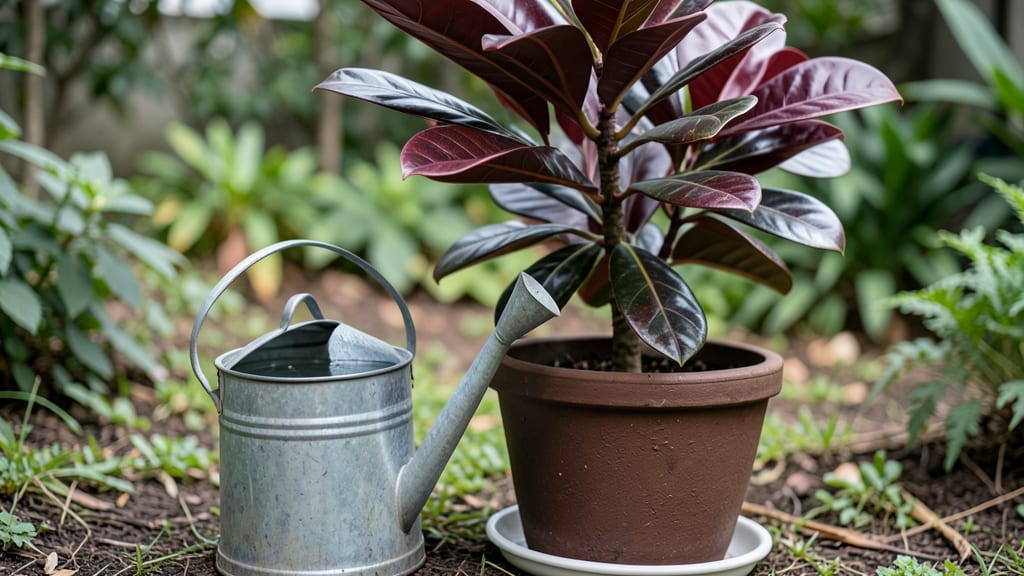
Figuring out rubber plant how much water is the difference between a thriving 🌿 and one that slowly declines. Most people overthink it—watering too much or too little—when the real secret is simple: understanding your plant's thirst signals and adjusting for its environment.
I’ve watched countless rubber plants struggle because of watering mistakes, and the good news? You don’t need a degree in botany to get it right. Whether you’re dealing with a small pot or a towering indoor tree, the key lies in checking soil moisture the right way—not guessing.
Let’s break down exactly how often to water and what to watch for so your rubber plant stays happy and healthy.
Seasonal changes, pot size, and even humidity play a role in how much water your rubber plant needs. What works in summer might backfire in winter, and that’s why I’ll share the exact steps to avoid both root rot and parched leaves.
Trust me, once you master this, your rubber plant will thank you with glossy, vibrant foliage.
Ready to stop second-guessing? I’ll walk you through the foolproof method for watering your rubber plant—no more trial and error. By the end, you’ll know exactly when to reach for that watering can and when to hold back.
How often to water a rubber plant based on soil dryness
Rubber plants (Ficus elastica) thrive on a consistent but moderate watering schedule—never soggy soil, never bone-dry. The key? Checking soil moisture before watering. Most gardeners overestimate how often these plants need water, leading to root rot or stunted growth.
Let’s break down the science-backed method to water your rubber plant perfectly every time.
Your rubber plant’s water needs depend on three critical factors: pot size, season, and soil type. A 6-inch pot dries faster than a 12-inch pot, and summer heat demands more frequent watering than winter’s dormancy.
Even the same soil mix can behave differently based on humidity levels in your home.
Here’s the golden rule: Water your rubber plant when the top 1-2 inches of soil feel dry to the touch. Use your finger—insert it gently into the soil.
If it comes out clean, it’s time to water. If it’s damp, wait 2-3 more days. This simple test eliminates guesswork and keeps your plant healthy.
Seasonal adjustments are crucial. In spring and summer, your rubber plant grows actively and may need water every 5-7 days. During fall and winter, growth slows, and watering every 10-14 days is often sufficient.
Overwatering in winter is a common mistake—many plants suffer from root rot because owners stick to summer schedules.
Pot size plays a surprising role. A smaller pot (under 6 inches) may need water every 5-7 days, while a large pot (12+ inches) can go 10-14 days between waterings.
The larger the pot, the more time it takes for soil to dry out. Always ensure your pot has drainage holes—this is non-negotiable for rubber plants.
Soil type matters too. A well-draining mix (like cactus/succulent blend) dries faster than heavy garden soil. If you’re using a pre-mixed potting soil, consider adding perlite or orchid bark to improve aeration. This prevents water from pooling at the roots, which is a recipe for disaster.
| Season | Watering Frequency | Soil Check Depth | Pot Size Guide |
|---|---|---|---|
| Spring | Every 5-7 days | Top 1-2 inches dry | Small: 5-7 days | Large: 7-10 days |
| Summer | Every 5-7 days | Top 1-2 inches dry | Small: 4-5 days | Large: 7-10 days |
| Fall | Every 7-10 days | Top 1-2 inches dry | Small: 7-10 days | Large: 10-14 days |
| Winter | Every 10-14 days | Top 2-3 inches dry | Small: 10-14 days | Large: 14-21 days |
🌱 Watering Schedule by Season
Morning watering is ideal for rubber plants. Watering in the morning (before 10 AM) allows excess moisture to evaporate during the day, reducing the risk of fungal issues. Avoid watering at night—this can leave leaves damp overnight, inviting bacterial or fungal infections.
If you’ve ever seen black spots on your rubber plant’s leaves, night watering is often the culprit.
One of the biggest mistakes I see is watering on a strict schedule without checking soil moisture. Your rubber plant’s needs change based on humidity, temperature, and light exposure.
For example, a plant near a heating vent in winter may need water more frequently than one in a cooler corner. Always prioritize the soil test over a calendar.
If you’re unsure whether your rubber plant needs water, observe its leaves. Healthy leaves should be firm and slightly glossy. If they feel lightweight or crispy, it’s a sign of underwatering.
If they’re yellowing with mushy stems, you’re overwatering. The goal is to strike that perfect balance—neither too wet nor too dry.
Pro tip: Use a moisture meter for the first few weeks to train your finger. These inexpensive tools give you an instant read on soil moisture, helping you calibrate your touch. Once you’re confident, you can rely solely on the finger test—a skill every rubber plant owner should master.
How often to water a rubber plant based on soil dryness
Your rubber plant’s watering needs depend on soil moisture, not a fixed schedule. Unlike succulents, rubber plants (Ficus elastica) prefer their top 1-2 inches of soil to dry out between waterings.
But how do you know when it’s time? The answer lies in a simple 3-step finger test that saves your plant from both thirst and root rot.
Start by sticking your finger about 1 inch deep into the soil. If it feels dry to the touch, it’s time to water. For larger pots (12+ inches), check 2 inches down—these retain moisture longer.
Remember, rubber plants store water in their thick stems, so they’re more forgiving than you might think.
Seasonal changes drastically alter your rubber plant’s thirst. In spring and summer, when growth is active, water every 5-7 days (or when the top 1" feels dry). But during winter dormancy, cut back to every 10-14 days—overwatering is the #1 killer in cold months.
Pot size matters too! Smaller pots dry out faster, while large containers (16"+) may need watering every 2-3 weeks. Pro tip: Use a pot with drainage holes—rubber plants hate soggy roots.
If your pot lacks drainage, water only when the top 3" are bone dry to prevent root rot.
Morning is the best time to water—it gives excess moisture time to evaporate before nightfall. Avoid watering at night, as damp leaves can attract fungal diseases. For extra insurance, let your rubber plant sit in a saucer for 10 minutes after watering to catch any runoff.
Remember: Yellow leaves often signal overwatering, while drooping leaves usually mean thirst. Adjust your schedule based on your plant’s unique response—every rubber plant has its own rhythm.