
How To
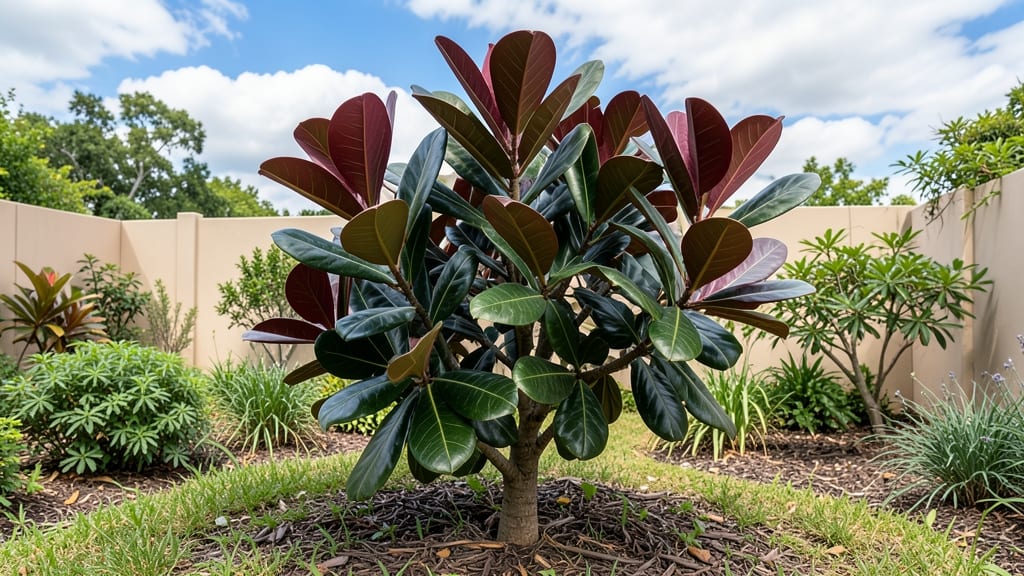
If you’ve ever glanced at your rubber plant 🌿 and wondered how tall this fast-growing favorite can grow, you’re not alone. This plant can stretch surprisingly tall—some varieties even hitting 10 feet indoors—but its height depends on care, light, and a little strategic pruning.
Most rubber plants grow between 3 and 10 feet over time, but their size isn’t just about genetics. Light exposure, pot size, and even your pruning habits play a huge role in whether your plant becomes a towering statement piece or stays at a manageable height.
The good news? With the right approach, you can control its growth without sacrificing its health.
Whether you’re dealing with a 3-foot starter or a lanky teen, I’ll break down how to estimate your plant’s potential, spot the signs of overgrowth, and use simple techniques to keep it thriving—no matter how tall it gets.
Let’s dive into the secrets behind rubber plant growth so you can enjoy its beauty without the ceiling drama.
From dwarf varieties that stay compact to standard types that reach sky-high, we’ll cover everything you need to know. Ready to turn your rubber plant into the perfect-sized centerpiece? Let’s get started.


Rubber plant height limits: how tall can it grow indoors?
Your rubber plant (Ficus elastica) can reach heights that surprise even seasoned plant parents. Left unchecked indoors, it typically grows between 3 to 10 feet, with some varieties stretching even taller under ideal conditions.
But don’t panic—this growth happens gradually, giving you plenty of time to adjust your care routine before your plant becomes a ceiling-bound giant.
The average rubber plant height after 1 year is 1–2 feet, but by year 3, it can easily hit 5–6 feet if given proper care. The key factors influencing height are light exposure, pruning habits, and pot size.
A plant basking in bright, indirect light will grow faster than one tucked in a dim corner, while regular pruning can keep it bushier and shorter.
Here’s the truth: indoor rubber plants rarely reach their full outdoor potential (which can exceed 10 feet in tropical climates). Your home’s lighting and space constraints naturally limit growth, but with the right care, you can still grow a 6-foot floor plant in just a few years.
The good news? You can always prune to control height without harming your plant.
| Growth Stage | Height Range | Time to Reach | Care Tip |
|---|---|---|---|
| Year 1 | 1–2 ft | 12 months | Use 6-inch pot, bright indirect light |
| Year 2 | 3–4 ft | 24 months | Repot to 10-inch pot, fertilize monthly |
| Year 3+ | 5–10 ft | 36+ months | Prune annually, upgrade to 12+ inch pot |
| Dwarf Varieties | 3–5 ft | 2–3 years | Genetically slower growth, needs less pruning |
If you’re wondering how to predict your rubber plant’s height, start by checking its current growth rate. Measure your plant every 3 months—if it’s gaining 6+ inches per season, expect rapid growth.
A slow-growing rubber plant (under 3 inches per season) likely needs more light or fertilizer. Remember, container size matters: A cramped pot stunts growth, while a spacious one encourages vertical expansion.
One common misconception is that all rubber plants grow equally tall. In reality, varieties like ‘Black Prince’ grow faster than ‘Variegata’, which often stays shorter due to its slower metabolism.
Even within the same variety, a plant in a sunny west-facing window will outpace one in a north-facing corner. The difference? Light exposure can double growth rates in ideal conditions.
To estimate your plant’s future height, multiply its current height by 1.5 (for average growth) or 2 (for fast growers). For example, a 2-foot plant could reach 3–4 feet in a year with proper care.
Pro tip: Take a photo every 6 months to track progress—visual evidence helps adjust your care plan before your plant becomes unmanageable.
Light is the #1 factor controlling height. A rubber plant in low light may only grow 1–2 feet in 3 years, while one in bright indirect light can hit 6 feet in the same time.
The trade-off? Too much direct sun causes leaf scorch, so position your plant 2–3 feet from an east or north window. Rotate the pot every 2 weeks to ensure even growth.
Pot size plays a sneaky role too. A rubber plant in a 6-inch pot will focus energy on leaf production, while a 12-inch pot encourages taller stems. If you want a shorter, bushier plant, keep it in a smaller container.
For maximum height, upgrade to a 14-inch pot or larger every 2–3 years. Just ensure the pot has drainage holes to prevent root rot.
Finally, don’t forget that pruning isn’t just for shaping—it’s a growth control tool. Cutting back leggy stems in spring or early summer encourages branching, reducing overall height. You can even propagate cuttings to create new plants, turning pruning into a free expansion strategy.
With the right balance of light, pot size, and pruning, you can keep your rubber plant at your ideal height—whether that’s a compact 3-foot tabletop plant or a dramatic 8-foot floor statement.
Rubber plant height limits: how tall can it grow indoors?
Your rubber plant (Ficus elastica) can reach impressive heights indoors, but its final size depends on variety, care, and growing conditions. In ideal settings, these plants typically grow 6 to 10 feet tall, though some dwarf varieties stay under 3 feet.
The key to controlling height lies in understanding growth patterns and environmental factors.
Outdoor rubber plants often grow taller—up to 15 feet in tropical climates—because they have more space and sunlight. Indoors, however, light levels, pot size, and pruning habits become critical.
A plant in a small pot with limited light may grow slower, while one in a large container with bright indirect light can shoot up quickly. Let’s explore how to estimate your plant’s potential height.
| Growth Stage | Height Range | Time to Reach |
|---|---|---|
| Year 1 | 1–2 ft | Initial growth spurt |
| Year 2 | 3–4 ft | Active vertical growth |
| Year 3+ | 5–10 ft | Mature height (varies by care) |
| Pro Tip: Prune in spring/summer to control height and encourage bushier growth. | ||
Light exposure is the biggest factor in rubber plant height. Plants near south- or west-facing windows grow faster and taller than those in low-light corners. If your plant is leggy, it’s likely stretching toward light. Rotate the pot quarter-turns weekly to encourage even growth and prevent lopsided height increases.
Pot size also plays a role. A root-bound rubber plant grows faster because its roots are crowded, but once repotted into a larger container (2–3 inches wider), growth may slow temporarily.
Use well-draining soil with perlite or orchid bark to prevent root rot, which can stunt height gains. Overwatering is a common mistake that slows vertical growth.
If you’re concerned about your rubber plant becoming a ceiling hazard, don’t worry—pruning is your best friend. You can trim back leggy stems to encourage bushier growth or keep it as a tall floor plant.
Just remember: the more you prune, the more new shoots you’ll get to propagate. It’s a win-win for both height control and free plants!
For dwarf varieties like ‘Black Prince’ or ‘Variegata,’ expect slower growth—3–5 feet max—but they still benefit from the same care principles. The key to managing height is consistent pruning, proper lighting, and smart pot selection.
With these tips, you can keep your rubber plant at your desired height without sacrificing its health or beauty.