
How To
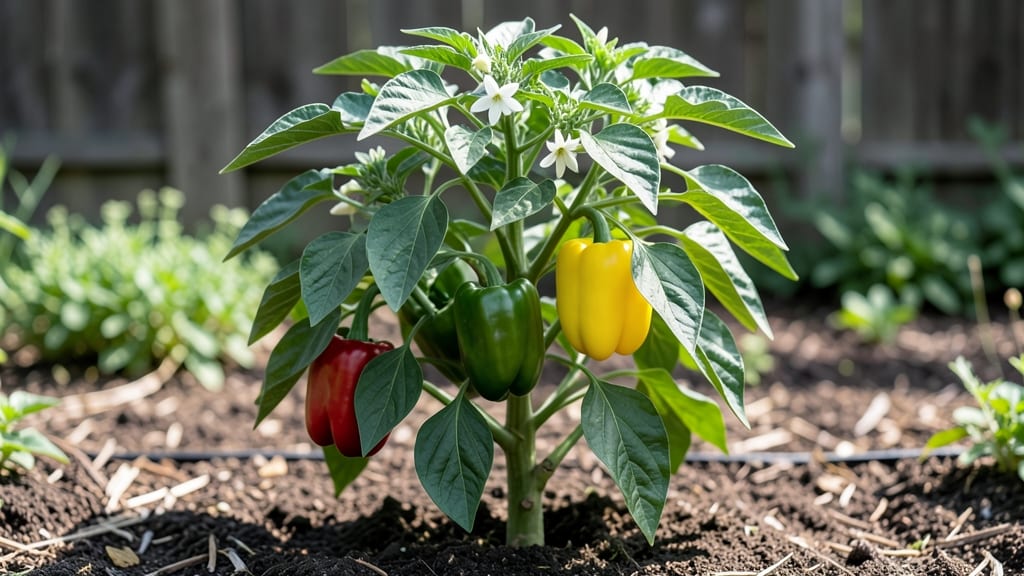
If you’re wondering how tall does bell pepper plant grow, the answer might surprise you—because these 🌶️ powerhouses can range from compact 1-foot dwarfs to towering 4-foot giants, depending on the variety. Picking the right size for your garden isn’t just about aesthetics; it directly impacts your harvest’s success.
Standard bell pepper plants typically reach 3-4 feet, making them perfect for raised beds or containers, while dwarf varieties stay under 2 feet—ideal for small spaces or urban gardens.
But here’s the catch: height isn’t just about genetics. Sunlight, soil quality, and even pruning techniques can push your plants to new extremes.
In this guide, I’ll break down the height ranges of popular varieties, share pro tips to control growth naturally, and reveal the biggest mistakes that make bell peppers grow too tall (or too short).
Whether you’re a first-time gardener or a seasoned green thumb, you’ll leave knowing exactly how to optimize your plants for a bountiful harvest.
Ready to transform your garden into a pepper paradise? Let’s dive into the science—and secrets—behind getting your bell peppers to the perfect height for your space.


Bell pepper plant height chart by variety: compact vs. tall growing types
If you're planning your garden layout, knowing bell pepper plant height is key to preventing overcrowding and maximizing yields. Most varieties reach between 2 to 4 feet tall, but some dwarf types stay as short as 12 inches, while others can stretch toward 36 inches.
The right variety for your space can make all the difference in your harvest success.
Bell pepper height varies based on genetics, growing conditions, and care practices. Dwarf varieties are perfect for containers or small spaces, while standard types thrive in traditional garden beds. Understanding these differences helps you choose the best fit for your garden's layout and your harvesting goals.
Here’s a quick look at how popular varieties compare in height, so you can plan your garden with confidence:
| Variety | Height Range | Growth Habit | Best For |
|---|---|---|---|
| Jalapeño M | 12–24 inches | Compact Bush | Containers, small spaces |
| Sweet Banana | 24–36 inches | Semi-Bush | Garden beds, raised beds |
| California Wonder | 30–48 inches | Tall Bush | Traditional gardens |
| Mini Bell | 12–18 inches | Dwarf | Pots, windowsills |
| Carmen | 24–36 inches | Semi-Dwarf | Balconies, small gardens |
For example, Jalapeño M stays under 2 feet, making it ideal for container gardening, while California Wonder can reach nearly 4 feet, requiring more space in your garden plan.
Always check seed packets for exact height expectations, as even within the same variety, slight differences can occur based on growing conditions.
If you’re growing bell peppers in containers, opt for dwarf or semi-dwarf varieties like Mini Bell or Carmen. These stay under 2 feet and thrive in 5-gallon pots with proper drainage.
For larger gardens, taller varieties like California Wonder will produce more peppers but need 18–24 inches of space between plants.
Another factor affecting height is pruning and support. Even compact varieties may grow taller if left unchecked, while taller types can be pruned to stay within bounds. We’ll cover these techniques in the next section to help you manage your plants’ height naturally for better yields.
Pro tip: If you’re growing multiple varieties, place taller types at the back of garden beds and shorter ones in front. This not only saves space but also ensures all plants get adequate sunlight and airflow, which are critical for healthy growth and fruit production.
🌱
How to control bell pepper plant height naturally for better yields
Managing the height of your bell pepper plants isn’t just about aesthetics—it’s about maximizing your harvest. Tall, leggy plants waste energy reaching for sunlight instead of producing fruit, while dwarf varieties can get crowded.
The good news? With the right techniques, you can guide your plants to the perfect height for your garden space and yield goals.
Pruning is your first tool. By removing excess foliage, you encourage the plant to focus energy on fruit production rather than vertical growth. Start when plants reach 12-18 inches tall, targeting the lower leaves and any branches growing inward.
This improves air circulation, reducing disease risk while keeping the plant compact and manageable.
- Step 1: Wait until plants are 12-18 inches tall with 4-5 leaves.
- Step 2: Use sterilized pruners to trim lower leaves and weak stems.
- Step 3: Remove suckers (small shoots in leaf axils) to focus energy.
- Step 4: Prune in morning hours to allow wounds to heal.
- Step 5: Repeat every 2-3 weeks during growing season.
Staking and caging are game-changers for taller varieties like California Wonder. Install bamboo stakes or tomato cages early—before plants get top-heavy—to provide support without restricting growth. This prevents stem breakage from wind or fruit weight while keeping plants upright and easier to manage.
For dwarf varieties, a simple low cage (18-24 inches) is often enough.
Don’t overlook the power of mulching. A 2-3 inch layer of organic mulch (straw or shredded leaves) keeps soil cool and retains moisture, which encourages steady, balanced growth rather than rapid vertical shoots.
Plus, it suppresses weeds that compete for nutrients, giving your peppers the resources they need to stay stocky and productive.
Light exposure plays a surprising role in height control. If your peppers stretch toward light (a sign of etiolation), they’re not getting enough sun. Move containers to a sunnier spot or rotate them daily.
For indoor growers, supplement with a grow light 12-14 hours daily to prevent leggy growth. Well-lit plants naturally grow stronger stems and more compact habits.
Finally, feed wisely. Over-fertilizing—especially with nitrogen—promotes leafy growth at the expense of fruit production. Use a balanced fertilizer (10-10-10) every 4-6 weeks, and switch to a low-nitrogen, high-phosphorus formula when flowers appear to encourage fruit development over vertical growth.