
Plants
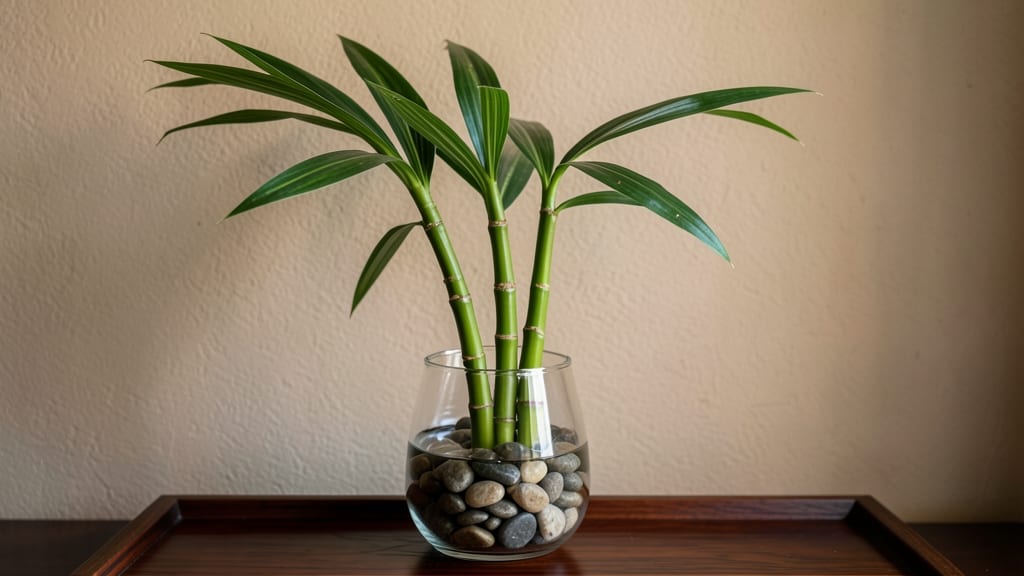
If you’ve ever wondered how tall can a bamboo plant grow, the answer might surprise you—some varieties reach heights of 100 feet or more, while others stay compact enough for containers.
Whether you're dreaming of a towering privacy screen or a charming patio plant, understanding bamboo's growth potential is the first step to making it work for your space.
Bamboo isn’t just one plant—it’s a diverse family with species that behave completely differently. Clumping types like Bambusa multiplex stay neat and manageable, while running varieties like Phyllostachys bambusoides can spread aggressively if left unchecked.
The key to success? Knowing which type fits your yard and how to control its growth before it takes over.
In this guide, I’ll break down the height ranges of popular bamboo species, from dwarf varieties that top out at just 3 feet to giants that dwarf even the tallest trees.
You’ll also learn how climate, soil, and pruning techniques can influence growth—and how to choose the perfect variety for your USDA Zone 6a garden.
Ready to transform your outdoor space with bamboo? Let’s explore the possibilities—and how to keep your plants from becoming an unruly jungle. 🌱


Bamboo height by species: from dwarf to giant varieties
Bamboo plants come in an astonishing range of heights, from delicate dwarf varieties that fit in containers to towering giant species that rival trees. The difference often comes down to whether the bamboo is clumping (non-invasive) or running (aggressive spreaders).
Let’s break down the height spectrum so you can pick the perfect fit for your garden.
First, understand that clumping bamboo grows in tight clusters, making it ideal for small spaces. These varieties rarely exceed 20 feet in height, with many staying under 10 feet.
On the other end, running bamboo can spread aggressively and reach heights of 40–100 feet, depending on the species. Your choice depends on your space and maintenance tolerance.
Here’s a quick look at the height ranges you’ll encounter:
| Type | Height Range | Growth Habit | Best For |
|---|---|---|---|
| Dwarf Bamboo | 3–8 ft | Clumping | Containers, patios, small gardens |
| Medium Bamboo | 10–30 ft | Clumping or Running | Privacy screens, medium yards |
| Giant Bamboo | 40–100+ ft | Running | Large properties, rural landscapes |
For example, Bambusa multiplex (also called lucky bamboo) is a popular dwarf clumper that maxes out around 6–8 feet, making it perfect for indoor decor or small balconies. Its delicate canes and slow growth make it a low-maintenance choice.
Meanwhile, Phyllostachys bambusoides, a running bamboo, can shoot up to 60 feet and spread aggressively, requiring serious containment measures.
If you’re eyeing a medium-height bamboo, consider Fargesia robusta, which grows to about 15 feet and forms dense clumps. This variety is excellent for privacy hedges or windbreaks without overwhelming your yard. Just ensure it gets enough space to thrive—10–15 feet in diameter for mature plants.
On the extreme end, giant bamboo species like Dendrocalamus asper can reach 100 feet or more in tropical climates. These are not for suburban gardens! They’re better suited for large estates or agricultural settings where their rapid growth can be harnessed for construction or erosion control.
Always check local regulations, as some areas restrict or ban invasive running bamboo.
One common misconception is that all bamboo grows at the same rate. In reality, dwarf varieties may take 3–5 years to reach their mature height, while giant species can add 3–5 feet per year under ideal conditions.
This means your 10-foot dwarf bamboo today could still be half its height in just a few years, while a giant bamboo planted as a sapling could already be 20 feet tall by year three.
Before planting, measure your space and research the mature height of your chosen species. A 10-foot bamboo in a 6-foot-wide pot might seem like a good fit, but its roots could still spread widely.
For running bamboo, install a root barrier at least 3 feet deep to prevent unwanted spread. For clumping types, focus on pruning to control height and shape.
🌱 Whether you’re dreaming of a whimsical mini bamboo or a towering tropical giant, the key is choosing a species that matches your space, climate, and maintenance preferences. Next, we’ll dive into how to manage bamboo growth—whether you want to keep it compact or harness its rapid ascent.
Fastest-growing bamboo species: growth rates and space requirements
If you’re dreaming of quick privacy screens or dramatic garden accents, some bamboo species grow at astonishing speeds. The fastest varieties can shoot up 3–4 feet per year, reaching mature heights in just a few seasons.
For example, Bambusa vulgaris (common bamboo) grows 6–12 inches per month under ideal conditions, while Phyllostachys aureosulcata (yellow groove bamboo) can add 2–3 feet annually. These growth rates make them perfect for rapid landscaping—but also demand careful planning.
Before planting, calculate your space needs based on the species’ mature height and spread. A 10-foot-tall bamboo planted near your patio might seem harmless, but its roots can spread 10–20 feet wider in just a few years.
For aggressive runners like Phyllostachys bamboos, account for double the height in width to prevent unwanted invasions into neighboring properties.
🌱
Fast growth isn’t just about height—it’s also about root aggression. Running bamboo, like Phyllostachys nigra (black bamboo), sends out rhizomes that can travel 20+ feet per year. If you’re in a HOA-regulated area or near property lines, check local laws before planting.
Some regions classify bamboo as invasive and restrict its growth without containment methods like root barriers.
For smaller spaces, opt for clumping bamboo like Bambusa multiplex 'Tiny Fern', which tops out at 6–8 feet and spreads minimally. Even these varieties benefit from regular pruning to maintain shape and prevent overcrowding.
If you love the look of towering bamboo but lack the yard, consider container-growing dwarf species—just be prepared to repot every 2–3 years as roots outgrow their space.
🌿
Remember: Bamboo’s growth rate slows in cooler climates or during drought. In USDA Zone 5 or colder, expect 50% slower growth compared to tropical zones. To maximize height and health, provide well-draining soil, consistent moisture, and morning sunlight.
With the right species and care, you can enjoy a privacy screen in a season—or a lifelong garden statement.