
Plants
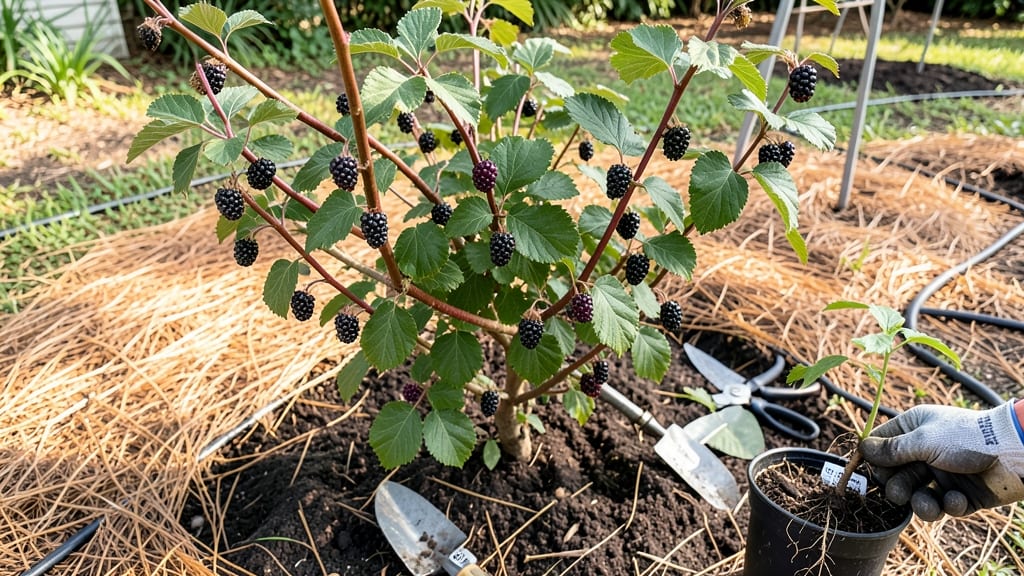
Best planting times for Florida blackberries by variety and chill hours
Florida’s unique chill-hour zones (ranging from 500 to 1,000+ hours) dictate when to plant blackberries for optimal fruit production. Unlike northern states, Florida’s mild winters allow year-round growth—but timing still matters to avoid poor yields or dormancy issues.
Most Florida-friendly varieties like Arapaho and Natchez thrive with 300-500 chill hours, while everbearing types need even fewer.
In northern Florida (zones 8a-9a), where chill hours reach 500-700, plant bare-root blackberries in late winter (February) to take advantage of cooler soil temperatures and reduced stress.
For central/southern Florida (zones 10a-11), where chill hours drop below 300, spring planting (March-April) is ideal to avoid heat stress during Florida’s intense summers.
Here’s the key: Prime-bearing varieties (like Chester) need 500+ chill hours and should be planted in late winter, while everbearing types (like Ouachita) tolerate 200-300 chill hours and can be planted year-round with proper care. Fall planting (September-October) is also an option for potted blackberries, giving roots time to establish before winter rains.
🌱
For bare-root plants, aim to plant when soil temperatures reach 60°F (15°C)—typically February in north Florida and March in south Florida. If using potted blackberries, you can plant year-round, but spring and fall are safest to avoid heat stress or hurricane season disruptions.
Always check the specific variety’s chill-hour needs before purchasing, as mismatches can lead to poor fruit set.
Pro tip: Mulch heavily after planting to retain moisture and regulate soil temperature. Use straw or pine bark (avoid grass clippings) to prevent disease and weed competition. In south Florida’s humid climate, add a 1-inch layer of mulch to protect roots from fungal issues like anthracnose.
Blackberries planted at the wrong time may produce small, underripe fruit or fail to flower entirely. For example, planting Chester in summer (when chill hours are zero) will result in no fruit the following year. Always align
Step-by-step planting schedule for Florida’s two main regions (north vs. south)
Florida’s climate varies dramatically between its northern panhandle and central/southern regions, so your blackberry planting schedule should match your location. In cooler northern Florida (like Panhandle or Gainesville), winters provide 500-700 chill hours, while central/southern Florida (like Orlando or Miami) rarely hits 300 chill hours.
Let’s break it down by region for perfect timing.
For northern Florida, aim to plant bare-root blackberries in late winter (February) or potted plants in early spring (March). This gives roots time to establish before the summer heat arrives.
In central/southern Florida, plant potted blackberries in late winter (January-February) or bare-root in early spring (March) to avoid heat stress. Both regions benefit from fall planting (September-October) for a second harvest window.
🌱 Pro Tip: Always plant when soil temps reach 60°F+—use a soil thermometer to check. Warm soil speeds up root growth and reduces transplant shock.
📅 Northern Florida Planting Schedule (Panhandle/Gainesville)
- February: Plant bare-root blackberries (e.g., 'Arapaho') after last frost risk passes. Amend soil with compost and mulch heavily.
- March: Transplant potted plants (like 'Chester') into prepared beds. Install trellises immediately to support growth.
- September: Plant fall varieties (e.g., 'Natchez') for a late-season harvest. Water deeply to encourage root development.
- October-November: Apply winter mulch (straw or pine needles) to protect roots from freezing temps (rare but possible).
In central/southern Florida, where winters are milder, focus on January-February planting to avoid the brutal summer heat. Use everbearing varieties like 'Ouachita' or 'Apache' that thrive with minimal chill hours. For prime-bearing types (e.g., 'Duke'), plant in September-October to align with cooler temps and reduce heat stress.
💧 Watering Tip: After planting, water deeply 2-3 times per week for the first month. Use drip irrigation to keep foliage dry and prevent fungal diseases like anthracnose, common in Florida’s humidity.
Both regions should avoid planting in summer (June-August) unless using shade cloth to protect young plants from intense sun and heat stress. Instead, opt for container growing in shaded areas if you must plant during peak summer.
🌿 Soil Prep: Test your soil’s pH (aim for 5.5-6.5) and amend with peat moss or sulfur if needed. Blackberries hate soggy roots, so ensure well-draining soil with a 2-3 inch mulch layer to retain moisture.