
How To
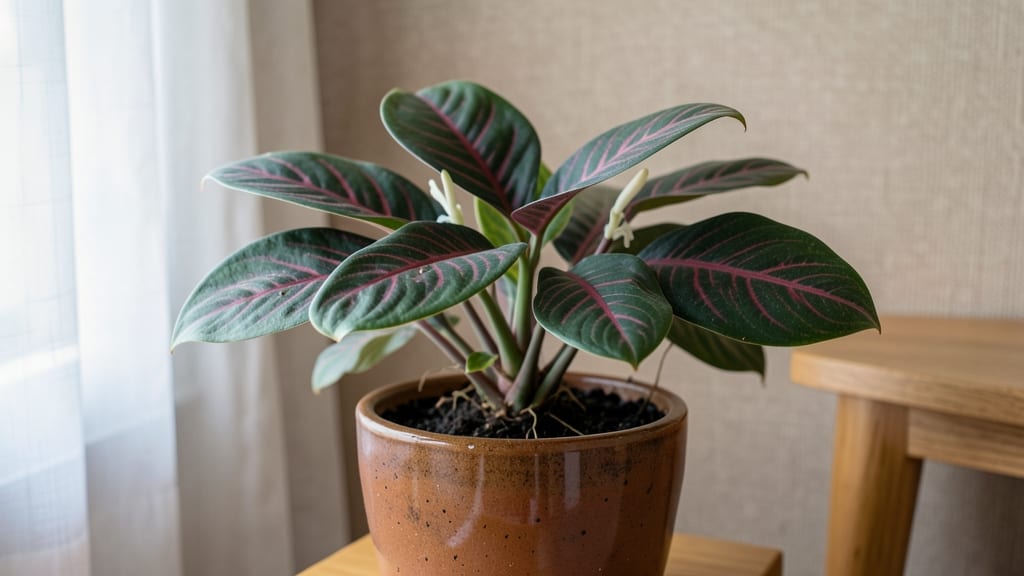
Optimal light requirements for prayer plant growth and color
If you're wondering how much light does prayer plant need, the answer is simpler than you might think: bright, indirect light is the golden rule. These tropical beauties thrive in conditions that mimic their native understory habitats, where sunlight filters gently through the canopy.
Too much direct sun or too little light can both spell disaster for your Maranta leuconeura, causing stress that shows up in faded foliage or leggy growth.
For most prayer plant varieties, 4-6 hours of bright, indirect sunlight daily creates the perfect balance. This means positioning your plant near an east-facing window where morning sun is gentle, or using sheer curtains to diffuse harsh afternoon rays.
Think of it like giving your plant a sunbath with SPF—just enough to fuel photosynthesis without risking sunburn.
The foliage patterns of your prayer plant are directly tied to light exposure. Insufficient light dulls those stunning variegated leaves, while too much direct sun can cause bleaching or crispy edges.
The ideal scenario? Soft, dappled light that keeps the leaves vibrant and the growth compact. If you notice your plant's leaves drooping or curling, it's often a cry for better light conditions.
| Light Condition | Daily Hours | Foliage Impact | Signs of Stress |
|---|---|---|---|
| Bright Indirect Light | 4-6 hours | Vibrant colors, compact growth | None (ideal conditions) |
| Low Light | <2 hours | Dull leaves, leggy stems | Yellowing, sparse growth |
| Direct Sunlight | >4 hours | Bleached or crispy edges | Brown spots, wilting |
| Artificial Grow Lights | 6-8 hours | Healthy growth, consistent colors | None (if spectrum is balanced) |
One common misconception is that prayer plants can thrive in dark corners. While they can tolerate lower light levels, this often leads to stretched stems and weak foliage.
If your plant is already struggling in dim conditions, consider moving it closer to a window or supplementing with a grow light. LED grow lights with a full spectrum (especially in the blue and red wavelengths) are ideal for mimicking natural sunlight.
Seasonal adjustments are key too. In summer months, when sunlight is more intense, you may need to move your prayer plant further from the window or add a sheer curtain.
Conversely, in winter, when natural light is scarce, a few extra hours under a grow light can prevent your plant from going dormant prematurely. Think of it as giving your plant a light boost during its low-energy season.
Pro tip: Rotate your prayer plant quarter-turns every few weeks to ensure even growth. Since these plants grow toward the light source, one side can become overly stretched if left in the same spot.
This simple habit keeps your foliage symmetrical and prevents lopsided growth patterns. It's like giving your plant a little garden spa day every month!
If you're still unsure about your specific setup, observe your plant's leaves as your guide. Healthy prayer plants have upright leaves in the morning (hence the "prayer" name) and slightly drooping leaves in the evening—a natural rhythm.
If the leaves stay droopy all day or develop dark spots, it's time to reassess the light conditions. Your plant is essentially communicating its needs through its foliage!
For those with multiple prayer plant varieties, remember that some like the 'Kerchoveana' variety may tolerate slightly lower light than others. However, all Maranta species share the same core requirement: bright, indirect light.
The key difference lies in how quickly they respond to light changes—some varieties are more forgiving than others. Always err on the side of gentler light rather than risking sun damage.
Remember, the goal isn't to give your prayer plant the most light possible, but the right amount. With the proper light conditions, your Maranta leuconeura will reward you with lush, patterned leaves that make it a standout houseplant.
Think of each adjustment as a step toward creating the perfect mini tropical paradise on your windowsill. 🌿
How to adjust light for different prayer plant varieties
Not all prayer plants (Maranta leuconeura) are created equal—some varieties thrive in brighter indirect light, while others prefer shadier conditions. Understanding these differences is key to keeping your plant's foliage vibrant and preventing stress.
For example, the 'Kerchoveana' variety with its striking white veins needs slightly more light to maintain its dramatic patterns, while the 'Massangeana' variety can handle lower light better. Let’s break down how to adjust lighting for these and other popular varieties to ensure they flourish.
If you're growing 'Kerchoveana', place it near an east-facing window where it gets morning sunlight but avoids harsh afternoon rays. This variety is more sensitive to light deprivation, which can cause its leaves to lose their contrast.
On the other hand, 'Massangeana' can tolerate lower light conditions, making it ideal for north-facing windows or even artificial grow lights placed 12-18 inches away. The key is observing your plant’s response—if leaves start looking dull or stretched, it’s time to adjust.
Seasonal changes also play a role in lighting needs. During winter months, when natural light is scarce, most prayer plants will appreciate a supplemental grow light for 6-8 hours a day. Use a full-spectrum LED bulb to mimic natural sunlight and prevent leggy growth.
In summer, when days are longer, you might need to filter direct sunlight with sheer curtains to protect your plant from leaf scorch. Varieties like 'Fascinator' with its ruffled leaves are particularly sensitive to over-exposure, so keep them in a spot where light is bright but diffused.
Here’s a quick guide to help you match your prayer plant variety with the right lighting conditions:
If you notice your prayer plant developing yellow leaves or drooping foliage, it’s often a sign of light stress. Move the plant to a shadier spot immediately and monitor its recovery.
For overly leggy growth, which indicates low light, rotate the plant weekly to encourage even growth and consider supplementing with a grow light. Remember, prayer plants are adaptable, but they thrive best when their lighting needs are met with precision.
With the right adjustments, you’ll see your plant’s leaves perk up and its colors become more vibrant within weeks.
For those with limited natural light, a south-facing window can work if you place the plant at least 3 feet away to avoid direct sun. Alternatively, invest in a compact fluorescent grow light that mimics natural sunlight.
Place it about 12 inches above your prayer plant and keep it on for 10-12 hours daily. This setup is perfect for varieties like 'Massangeana', which can handle these conditions without stress.
Experiment with placement and observe your plant’s response—this trial-and-error approach will help you find the perfect balance for your specific variety.
Pro tip: Use a light meter or simply hold your hand near the plant. If the light feels too harsh, it’s likely causing stress. Aim for a gentle glow that brightens the room but doesn’t create shadows.
With these adjustments, your prayer plant will reward you with lush, healthy foliage all year round. 🌿