
Plants
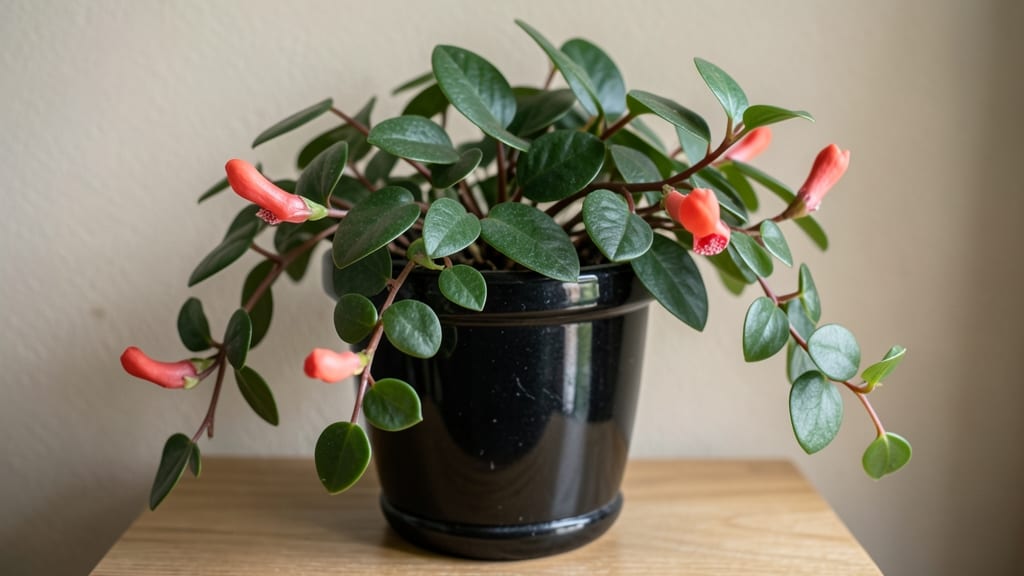
If your Lipstick Plant 🌸 keeps wilting or losing leaves, you’re probably dealing with how much light this plant needs—and it’s easier to fix than you think.
These striking plants thrive in bright indirect light, but too much direct sun or shady corners can turn them into a struggling houseplant.
I’ve learned the hard way that even a few hours of harsh afternoon sun can scorch those gorgeous leaves, while too little light makes them stretch out awkwardly. The good news? These plants are surprisingly adaptable, making them perfect for beginners or busy plant parents.
In this guide, I’ll break down exactly how much light your Lipstick Plant needs to flourish—whether you’re placing it near a window, under artificial lights, or even in a low-light corner. You’ll also discover the telltale signs of over- or under-lighting so you can adjust care before it’s too late.
Ready to give your plant the perfect lighting setup? Let’s dive into the simple tricks that’ll keep your Lipstick Plant lush and vibrant all year round.

Optimal light requirements for lipstick plants: low to medium brightness explained
Your lipstick plant (Aeschynanthus radicans) thrives in bright indirect light, making it perfect for homes with limited direct sun exposure. Unlike sun-loving plants, this tropical beauty actually burns easily in harsh afternoon rays.
Think of it as a plant that enjoys a gentle morning glow rather than a scorching midday sunbath.
The ideal spot mimics its natural understory habitat—where dappled sunlight filters through taller trees. This means placing your plant near an east-facing window (where morning light is soft) or about 3-6 feet from a south-facing window (to diffuse the intensity).
Even a well-lit bathroom with fluorescent lighting can work in a pinch!
| Light Condition | Description | Ideal Location |
|---|---|---|
| Bright Indirect | 60% sunlight intensity; no direct rays | East window, 1-3 ft away |
| Low Light | Tolerates 30-40% light; growth slows | North window, 5+ ft away |
| Direct Sun | Burns leaves after 2+ hours | Avoid west/south windows |
For photosynthesis efficiency, your lipstick plant needs about 4-6 hours of indirect light daily. This triggers the production of chlorophyll while preventing stress from UV damage. In winter, when natural light dims, supplement with a 12-hour grow light (more on this later!) to maintain its energy levels.
Pro tip: Rotate your plant quarter-turns weekly to ensure even light exposure. This prevents one-sided growth (where stems lean toward the light source) and keeps those iconic lipstick-shaped flowers symmetrical. Think of it like giving your plant a gentle massage to stay balanced!
If you're unsure about your space, test it with the "shadow test": Place a white sheet on the windowsill for an hour. If the shadow is softer than a pencil line, it’s perfect.
If it’s crisp and dark, move your plant further back or use a sheer curtain to diffuse the light.
Remember, lipstick plants are adaptable—they’ll survive in lower light, but they’ll reward you with vibrant blooms and lush foliage when given their preferred conditions. The key is finding that sweet spot between too little and too much light, where your plant feels truly at home.
For indoor gardeners, fluorescent cool-white bulbs (5000-6500K) are a budget-friendly way to mimic natural light. Just keep them 12-18 inches away to avoid leaf scorch. And if you’re feeling fancy, LED grow lights with a red-blue spectrum can boost flower production—more on that in our next section!
🌿
Optimal light requirements for lipstick plants: low to medium brightness explained
Your lipstick plant (Aeschynanthus) thrives in bright indirect light, making it perfect for indoor gardeners with limited direct sunlight. Unlike sun-loving succulents, this tropical beauty prefers filtered light that mimics its native understory habitat.
Think of it as the "goldilocks" of houseplants—not too dark, not too harsh, but just right.
In nature, lipstick plants grow under the canopy of taller trees, receiving dappled sunlight. Recreating this environment indoors means placing your plant near east-facing windows or 2-3 feet from south-facing windows.
Avoid west-facing windows, where intense afternoon sun can scorch delicate leaves. Even a brightly lit room with fluorescent lighting can work—just ensure it gets 4-6 hours of indirect light daily.
| Light Condition | Ideal Placement | Growth Impact |
|---|---|---|
| Bright Indirect | East window or 3-6 ft from south window | Healthy leaves, vibrant blooms |
| Low Light | North window or dim corner | Leggy growth, sparse flowers |
| Direct Sun | West window or unshielded sun | Brown leaf tips, sunburn |
For optimal photosynthesis, your lipstick plant needs moderate light intensity—about 50-70% of full sunlight. This means avoiding deep shade (like a north-facing window) or harsh direct rays. If you notice stretched stems or pale leaves, it's craving more light.
Conversely, yellowing or crispy edges signal too much sun exposure. The key is balance—think morning sun + afternoon shade if placing outdoors.
Pro tip: Rotate your plant quarter-turn weekly to ensure even light exposure. This prevents one-sided growth and keeps those showy tubular flowers blooming symmetrically. If your home lacks natural light, grow lights with a red-blue spectrum (like full-spectrum LEDs) can replicate ideal conditions.
Aim for 12-14 hours of artificial light daily if natural light is insufficient.
Seasonal adjustments are crucial. During winter months, supplement with grow lights if daylight drops below 6 hours. In summer, move your plant further from windows to prevent overheating. Remember, consistency is key—sudden light changes can stress your plant more than steady conditions.
When in doubt, observe your plant's leaf color and growth pattern. Healthy lipstick plants have deep green leaves and compact stems. If you're unsure about your home's light levels, use a light meter app to measure 1,000-3,000 lux—the perfect range for this tropical beauty. 🌿