
Plants
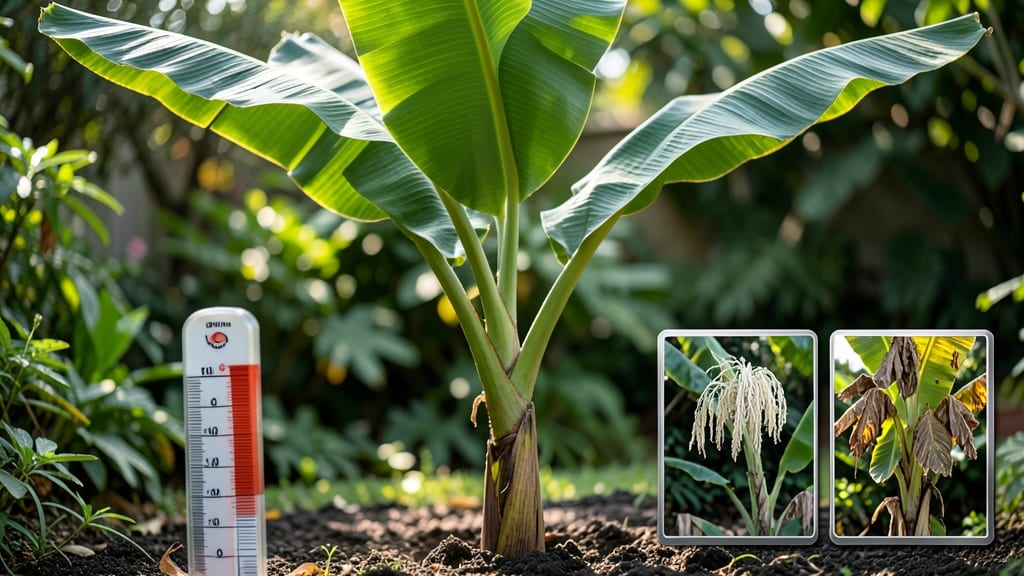
Banana plant light requirements: ideal sunlight balance for healthy growth
Banana plants (Musa spp.) are sun-worshippers that crave bright, direct light to fuel their rapid growth and fruit production. In their native tropical habitats, they bask under full sun conditions for nearly 12 hours daily, which explains why they struggle in shady corners.
For home gardeners, understanding their light needs by growth stage is crucial—seedlings need gentle protection, while mature plants thrive under intense sunlight.
If you're growing bananas in USDA Zones 10-12 (their natural range), they'll naturally receive optimal sunlight. But in cooler climates like Zones 6-9, you'll need to mimic these conditions using greenhouses, containers, or supplemental lighting.
Even a slight dip below 6 hours of direct sun can lead to stunted growth and poor fruiting, while excessive midday sun in hot climates may cause leaf scorch.
Here’s how to measure sunlight intensity for your banana plant: Use a sunlight tracker app or place a white piece of paper near your plant—if it casts a sharp shadow for 6+ hours, you’re in the ideal range.
For indoor growers, aim for a south-facing window or grow lights providing 12,000-15,000 lux of light intensity. In outdoor settings, morning sun + afternoon shade works best in hot climates to prevent heat stress.
Banana Plant Light Requirements by Growth Stage
| Stage | Sunlight Needs | Ideal Hours/Day | Signs of Stress |
|---|---|---|---|
| Seedlings (0-6 months) | Partial shade to morning sun | 3-4 hours (direct) | Yellowing leaves, weak stems |
| Juvenile (6-18 months) | Full sun with afternoon shade | 6-8 hours (direct) | Slow leaf growth, pale foliage |
| Mature (18+ months) | Full sun year-round | 8-12 hours (direct) | Brown leaf tips, fruit drop |
| Fruiting Stage | Full sun + wind protection | 10-12 hours (direct) | Small, misshapen fruit |
🌱 Pro Tip: Use a light meter to confirm intensity—bananas need 12,000+ lux for optimal growth.
For dwarf banana varieties like Dwarf Cavendish or Lady Finger, slightly less sunlight (5-6 hours) works, but they’ll still produce smaller fruit if deprived. In contrast, standard varieties like Gros Michel demand full sun exposure to reach their towering heights of 15-30 feet.
If you notice yellowing leaves or slow growth, your plant is likely light-deprived—move it to a sunnier spot immediately.
In tropical climates, banana plants handle direct midday sun without issues, but in arid regions, provide afternoon shade to prevent leaf burn. A simple shade cloth (30-50%) during peak hours (12 PM - 3 PM) can make a huge difference.
For container-grown bananas, rotate pots weekly to ensure even sunlight exposure on all sides, as they’ll grow toward the light source otherwise.
One common misconception is that banana plants can thrive in low-light indoor conditions. While they can survive under grow lights, they’ll never produce fruit without adequate sunlight.
If you’re growing indoors, invest in full-spectrum LED grow lights (like Samsung LM301B diodes) and place them 6-12 inches above the plant for 14-16 hours daily. Without this, your banana will focus all its energy on leafy growth rather than flowering.
Seasonal adjustments are key: In summer, banana plants in Zones 7-9 may need afternoon shade to avoid heat stress, while in winter, they’ll tolerate slightly less sun (but never below 4 hours).
If you’re in a cool maritime climate (like UK Zone 9), supplement with grow lights
How to adjust light for indoor vs outdoor banana plant growth
Banana plants are tropical divas—they crave bright, direct sunlight but can't handle harsh afternoon rays like a desert cactus. In outdoor settings, they thrive in full sun (6+ hours daily), but in containers or cooler climates, you’ll need to tweak their light exposure.
Let’s break down how to keep your banana plant happy whether it’s basking outside or lounging by your living room window.
Outdoor banana plants love tropical climates with year-round warmth, but even in temperate zones, they’ll flourish with 6-8 hours of morning sun and partial afternoon shade. If you’re in USDA zones 9-11, they can handle full sun all day.
For cooler zones (like mine in Zone 6a), I treat them as seasonal tropicals—planting them in spring after the last frost and bringing them indoors before fall’s chill.
Indoor banana plants are trickier—they often get insufficient light near windows, leading to stretched, weak stems (a condition called etiolation). To fix this, place your plant near a south-facing window where it can soak up 4-6 hours of direct light daily.
If your home lacks natural light, supplement with a grow light (LED or fluorescent) for 12-14 hours/day. I use a full-spectrum LED grow light 12 inches above my plant to mimic sunlight.
Outdoor Banana Plant Light Adjustments
✅ Pros
- Full sun (6+ hrs) boosts fruit production
- Natural airflow reduces pest risks
- Faster growth in warm climates
❌ Cons
- Afternoon shade needed in hot zones (10+°F)
- Frost risk in cooler climates
- Wind damage to large leaves
Indoor Banana Plant Light Adjustments
✅ Pros
- Grow lights control light intensity
- Year-round growing in any climate
- No frost risk for container plants
❌ Cons
- Weak stems without enough light
- High energy costs for grow lights
- Slower fruiting indoors
Seasonal adjustments are key. In spring and summer, outdoor banana plants can handle full sun, but I always provide afternoon shade cloth (30-50%) to prevent leaf burn. For indoor plants, rotate them quarter-turns weekly so all sides get even light.
In fall and winter, move outdoor plants to a sheltered spot or indoors before temps drop below 50°F.
Pro tip: Use a light meter (or your phone’s lux app) to check light levels. Banana plants thrive at 10,000-20,000 lux—anything below 5,000 lux and you’ll see pale, leggy growth.
If your plant starts leaning toward the light, it’s begging for more! Adjust its position or add a reflective surface (like a white wall) to bounce extra light onto its leaves.
Remember, banana plants are sun worshippers, but they’re not desert survivors. Balance is everything—too little light stunts them, while too much can fry their delicate leaves.
With the right adjustments, you’ll have a lush, fruiting banana plant whether it’s basking in your backyard or thriving by your kitchen window. 🌿