
How To
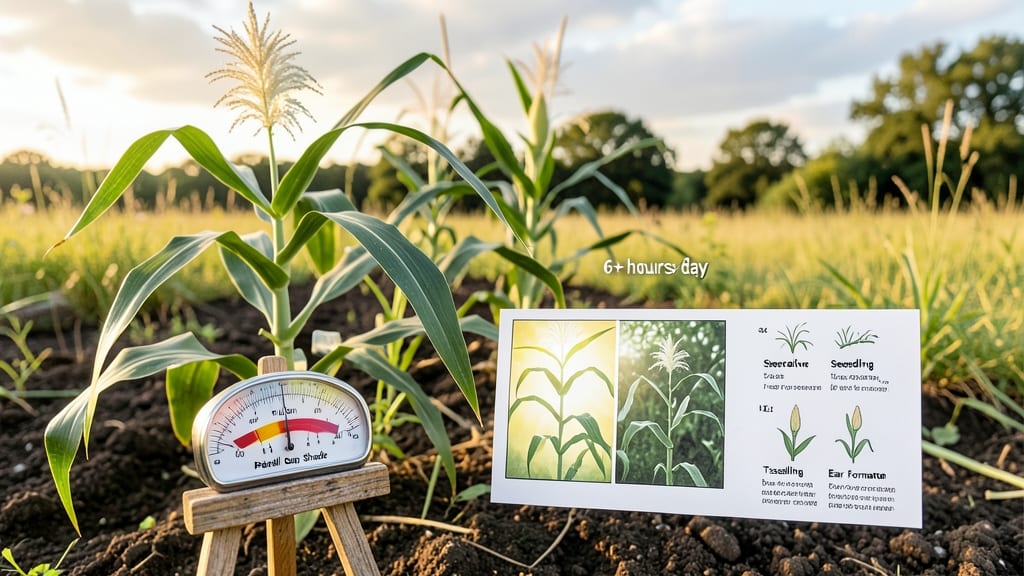
If you're wondering how much light does a corn plant need, the answer is simple: the right amount of sunlight is the difference between sturdy stalks and floppy disappointment, and most gardeners get it wrong—even when they think they're doing everything right.
Corn isn’t just another pretty face in your garden—it’s a sun-worshipper that craves 6 to 8 hours of direct sunlight daily to produce those sweet, plump ears you’re dreaming of.
Without enough light, your corn will stretch tall and weak, like a teenager reaching for the cookie jar, but never quite making it. The good news? You don’t need a greenhouse or a PhD in botany to fix this.
Whether you’re growing corn in your backyard or trying to coax life out of a potted plant in an apartment, I’ll show you how to spot the signs of light starvation and adjust your setup for healthy, productive growth.
No more guessing—just science-backed tips to turn your corn into the star of your harvest.
Ready to give your corn the light it’s begging for? Let’s dive into the secrets that’ll have your stalks standing tall and proud by summer’s end.

Ideal light requirements for corn plants: bright indirect sunlight explained
Corn plants—especially the Zea mays varieties—are sun worshippers. They demand 6-8 hours of direct sunlight daily to thrive, but many gardeners mistakenly assume bright indirect light is enough.
The truth? Your corn needs full sun exposure to produce those sweet, plump ears you crave. Without it, growth stalls, stalks weaken, and kernels stay underdeveloped.
Think of sunlight as the fuel for photosynthesis. Corn plants convert light into energy through their chlorophyll-rich leaves, but they need intense light to maximize this process.
In nature, corn grows tall and robust under open skies, not dappled shade. Even a slight reduction in sunlight can lead to pale leaves and poor ear formation.
Here’s the science: Corn plants require high light intensity (measured in foot-candles) to drive photosynthesis efficiently. A south-facing window or outdoor garden spot receives the brightest, most direct light—ideal for corn. Without it, your plant will stretch toward the light (etiolation), wasting energy and producing weak stems.
Seasonal adjustments matter too. In summer months, corn thrives with 10+ hours of daylight, but in spring or fall, supplement with grow lights if natural light drops below 6 hours daily.
Even a cloudy day can reduce light intensity by 50%, so monitor your plant’s exposure closely.
| Light Requirement | Specification | Ideal Conditions |
|---|---|---|
| Daily Sunlight | 6-8 hours | South-facing window or direct outdoor sun |
| Light Intensity | High (10,000+ foot-candles) | Full sun exposure, no obstructions |
| Seasonal Adjustments | 6-10 hours | Supplement with grow lights in low-light seasons |
| Shade Tolerance | Poor (≤4 hours) | Leads to weak growth, no ear development |
| Indoor Lighting | LED grow lights (12-16 hrs/day) | Place lights 6-12 inches above plant |
If you’re growing corn in containers or indoors, mimic outdoor conditions with LED grow lights. Position them 6-12 inches above the plant and run them for 12-16 hours daily to compensate for weaker natural light. Avoid fluorescent bulbs alone—they emit low-intensity light that won’t support robust growth.
Outdoor gardeners should plant corn in south-facing beds where it gets uninterrupted sunlight from morning to afternoon. Avoid spots near tall trees or buildings, which cast deep shade and block critical light. Even a partial obstruction (like a fence) can reduce light by 30%, slowing growth.
Pro tip: Rotate your corn plants quarter-turns weekly to ensure even light exposure on all sides. This prevents leaning stalks and ensures uniform ear development. In greenhouses, use reflective surfaces (like white walls) to bounce light onto plants and maximize efficiency.
Watch for seasonal light changes. In early spring or late fall, days shorten dramatically. If your corn isn’t getting 6+ hours of light, extend the day with supplemental lighting until natural light increases.
This is especially critical for indoor corn plants, which rely entirely on artificial sources.
Remember: Light quality matters as much as quantity. Corn needs full-spectrum light (including blue and red wavelengths) to produce energy and develop ears. Cheap incandescent bulbs won’t cut it—they emit too much heat and too little usable light. Invest in full-spectrum LED grow lights for the best results.
🌽
Ideal light requirements for corn plants: bright indirect sunlight explained
Corn plants (Zea mays) thrive under bright indirect sunlight, but they actually crave full sun exposure—at least 6-8 hours daily—to produce those sweet, plump ears we all love.
Without enough light, your corn will grow tall and leggy with poor ear development, leaving you disappointed at harvest time. The key is understanding how to replicate outdoor sunlight conditions indoors or in shaded gardens.
In nature, corn grows in open fields where it basks in unfiltered sunlight for most of the day. Indoors, this means positioning your plant near a south-facing window or using grow lights to simulate those conditions.
Even bright indirect light from east or west windows won’t cut it—corn plants need direct sunlight to fuel their rapid growth and energy production.
| Light Requirement | Specification | Best For |
|---|---|---|
| Direct Sunlight | 6-8 hours daily | Outdoor gardens, south-facing windows |
| Bright Indirect Light | 4-6 hours filtered light | East/west windows, partial shade |
| Artificial Grow Lights | 12-16 hours LED spectrum | Indoor growing, cloudy days |
The science behind corn’s light needs lies in its photosynthesis efficiency. Corn plants need intense light to produce enough chlorophyll and energy for ear development. Without sufficient light, they’ll divert energy to leaf growth instead of forming those prized kernels.
Think of it like a battery: the more sunlight, the more power your corn plant has to grow strong stalks and plump ears.
Seasonal adjustments are crucial, too. In summer months, corn can handle full sun exposure from morning to evening, but during shorter winter days, supplement with grow lights to maintain that 6-8 hour minimum.
Even a south-facing window won’t provide enough light in winter—corn plants will stretch toward the light, becoming weak and spindly. Rotate your plant quarter-turns weekly to ensure even growth and prevent leaning.
For indoor growers, LED grow lights are your best bet. Look for bulbs with a full spectrum (red and blue wavelengths) to mimic natural sunlight. Place lights 6-12 inches above your corn plants and keep them on for 14-16 hours daily to compensate for indoor light limitations.
Monitor leaf color—dark green leaves mean it’s happy, while yellowing or pale leaves signal insufficient light.
Pro tip: If you’re growing corn in containers, choose a large pot (at least 12 inches deep) to accommodate their deep root systems. Place the pot in the sunniest spot you have, and if that’s not enough, invest in a portable grow light on wheels.
Your corn will reward you with taller stalks and better ear production when it gets the light it craves.