
Plants
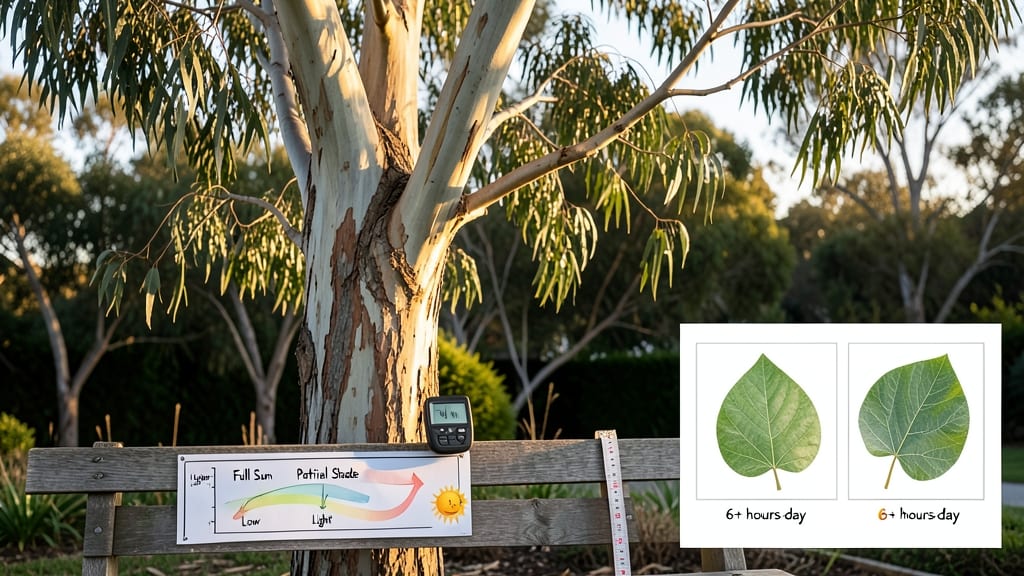
If you're wondering how much light does a eucalyptus plant need, the answer is simple: this fast-growing beauty doesn't just tolerate light—it thrives on it, and getting the right amount could mean the difference between a leggy, struggling plant and a lush, showstopping centerpiece in your garden.
Eucalyptus plants are sun worshippers, needing 6 to 8 hours of direct sunlight daily to reach their full potential. Whether you're growing one in your backyard or trying to coax life from a potted eucalyptus indoors, understanding its light needs is the key to faster growth and healthier foliage.
Too little light, and you'll see weak stems and yellowing leaves—signs your plant is begging for more sunshine.
But here's the thing: not all eucalyptus varieties are created equal. Some dwarf species can handle a little less sun, while taller varieties demand full exposure.
And if you're in a cooler climate like USDA Zone 6, you might need to get creative with placement or even use grow lights to keep your eucalyptus happy during those shorter winter days.
Ready to give your eucalyptus the light it deserves? I'll walk you through everything you need to know—from spotting the signs of light deprivation to optimizing sunlight for potted vs. garden-grown plants—so you can watch your eucalyptus transform before your eyes.

Eucalyptus light requirements: full sun vs. partial shade explained
Eucalyptus trees are sun worshippers—they crave full sun to thrive, but not all varieties have the same tolerance for shade. Most eucalyptus species, especially the towering standard varieties, need 6 to 8+ hours of direct sunlight daily to reach their full potential.
Without enough light, you’ll see leggy growth, pale leaves, and stunted development. Think of sunlight as their growth fuel: the more they get, the faster and healthier they grow!
That said, dwarf eucalyptus varieties (like Eucalyptus gunnii) are slightly more adaptable to partial shade, especially in hot climates where afternoon sun can scorch leaves. These smaller trees can tolerate 4 to 6 hours of sunlight, making them ideal for container gardening or shaded patios.
However, even they’ll struggle if deprived of light for too long.
The key difference lies in their photosynthesis efficiency. Eucalyptus leaves are designed to maximize sunlight absorption, but when light is limited, their energy production drops. This leads to weaker cell walls and slower growth rates.
In nature, eucalyptus trees grow in open, sunny environments, so replicating those conditions in your garden or pots is critical for success.
Here’s the catch: too much direct sun in extreme heat (like 100°F+ temperatures) can cause leaf scorch, especially for young plants or those not yet acclimated.
That’s why morning sun with afternoon shade works best in hot climates. Balancing light exposure is an art—one that pays off with vibrant foliage and rapid growth.
| Eucalyptus Type | Sunlight Needs | Ideal Hours/Day | Shade Tolerance |
|---|---|---|---|
| Standard Eucalyptus (e.g., E. globulus) | Full sun only | 8+ hours | None; wilts in shade |
| Dwarf Eucalyptus (e.g., E. gunnii) | Full sun to partial shade | 4-6 hours | Moderate; prefers bright light |
| Semi-Dwarf (e.g., E. cinerea) | Full sun with afternoon shade | 6-7 hours | Low; avoids leaf scorch |
| Indoor Eucalyptus (potted) | Bright indirect light (south window) | 4-5 hours | High; needs supplemental light |
🌱 Note: All eucalyptus types benefit from morning sunlight to kickstart photosynthesis.
If you’re growing eucalyptus in containers, light requirements become even more critical. Potted eucalyptus trees have limited root zones, so they rely entirely on the light available to them. A south-facing window or a spot near a sunny patio is ideal.
Without enough light, your potted eucalyptus will become etiolated—long, weak stems with sparse leaves—because it’s stretching toward any available light source.
For gardeners in cooler climates (like USDA Zone 6 or lower), eucalyptus can handle partial shade in summer to prevent heat stress, but they’ll still need full sun in spring and fall for optimal growth.
In Mediterranean climates, where summers are hot and dry, afternoon shade is a must to protect leaves from sunburn.
One common mistake is assuming "partial shade" means "dappled sunlight". Eucalyptus needs direct sunlight, not filtered light. If your tree is under a thin canopy or near a dense hedge, it’s likely getting too little light.
Look for yellowing leaves, smaller-than-normal foliage, or stems growing toward light sources—these are red flags that your eucalyptus is light-deprived.
Pro tip: Rotate potted eucalyptus every few weeks to ensure even light exposure on all sides. This prevents lopsided growth and keeps your tree compact and symmetrical. For outdoor plants, avoid planting near tall buildings or trees that could cast long shadows during peak sunlight hours.
Remember, eucalyptus trees are fast growers when given the right conditions. By meeting their sunlight needs, you’re not just keeping them alive—you’re unlocking their full potential. Whether you’re growing a 100-foot giant or a dwarf patio tree, sunlight is the foundation of their success. 🌳
How to optimize sunlight for potted vs. garden-grown eucalyptus
Eucalyptus plants are sun worshippers, but their light needs shift dramatically between container gardens and ground-planted specimens. In pots, they’re at the mercy of your yard’s layout and container size, while garden-grown trees can stretch toward the sky.
I’ll show you how to maximize their sunlight exposure—whether you’re dealing with a dwarf eucalyptus in a patio pot or a towering standard variety in your backyard.
For potted eucalyptus, mobility is your best friend. Rotate containers weekly to ensure even growth and prevent lopsided shadows. Place them on south-facing patios or near reflective surfaces (like white walls or light-colored gravel) to amplify sunlight.
If your space is shady, invest in a grow light—these trees won’t tolerate dim indoor conditions for long.
🌳
| Condition | Potted Eucalyptus | Garden-Grown Eucalyptus |
|---|---|---|
| Minimum Sunlight | 6 hours (supplement with grow lights) | 8+ hours (full sun exposure) |
| Best Placement | South-facing patio, balcony, or near reflective surfaces | Open, unobstructed areas with southern exposure |
| Container Size | Minimum 15-gallon pot (dwarf varieties) | N/A (plant in ground) |
| Seasonal Adjustments | Move indoors in winter (if below 40°F) | Mulch heavily in winter for root protection |
| Light Supplement | LED grow light (12+ hours/day in winter) | None needed (natural sunlight sufficient) |
Garden-grown eucalyptus, on the other hand, demand unfiltered sunlight year-round. Avoid planting them under mature trees or tall structures that cast long shadows—these trees grow 3 feet per year and need space to reach their full potential.
In northern climates, position them on the south or west side of your property to capture maximum winter sun.
One common mistake I see is overcrowding young saplings. Give them 10-15 feet of space between plants to prevent competition for light. If you’re growing dwarf varieties like ‘Rainbow Eucalyptus,’ they can handle partial shade (4-6 hours of sun), but their growth will be slower and less vibrant.
For indoor enthusiasts, grow lights are non-negotiable. Use a full-spectrum LED placed 6-12 inches above the plant for 12-14 hours daily. Without this, your eucalyptus will stretch toward the light, developing weak, leggy stems and sparse foliage—definitely not the lush look you’re after.
☀️